Inside Koenji Where Tokyo's Loudest Summer Meets Its Punk Underground
Koenji is Tokyo's punk heart and vintage clothing maze, a bohemian neighbourhood that erupts each August for the Awa Odori dance festival.
- Flag
-

- ISO code
- JP
- Currency
- JPY
- Timezone
- Asia/Tokyo
Inside Koenji Where Tokyo’s Loudest Summer Meets Its Punk Underground
On a Tuesday afternoon in late August, someone drags a wooden platform out of a garage under the JR tracks and begins lashing together a stage. By Saturday, that same strip of tarmac will hold two hundred dancers in identical cotton coats, a dozen taiko drummers, and half a million spectators compressed into a space designed for a few thousand. The rest of the year, those arcades sell used shirts for three hundred yen. Nobody blocks the street. That is Koenji: a district that spends fifty-one weeks as Tokyo's most efficient second-hand economy and one weekend as its loudest street party.
The Year-Round Hunt: Vintage, Vinyl and Standing Bar Economics
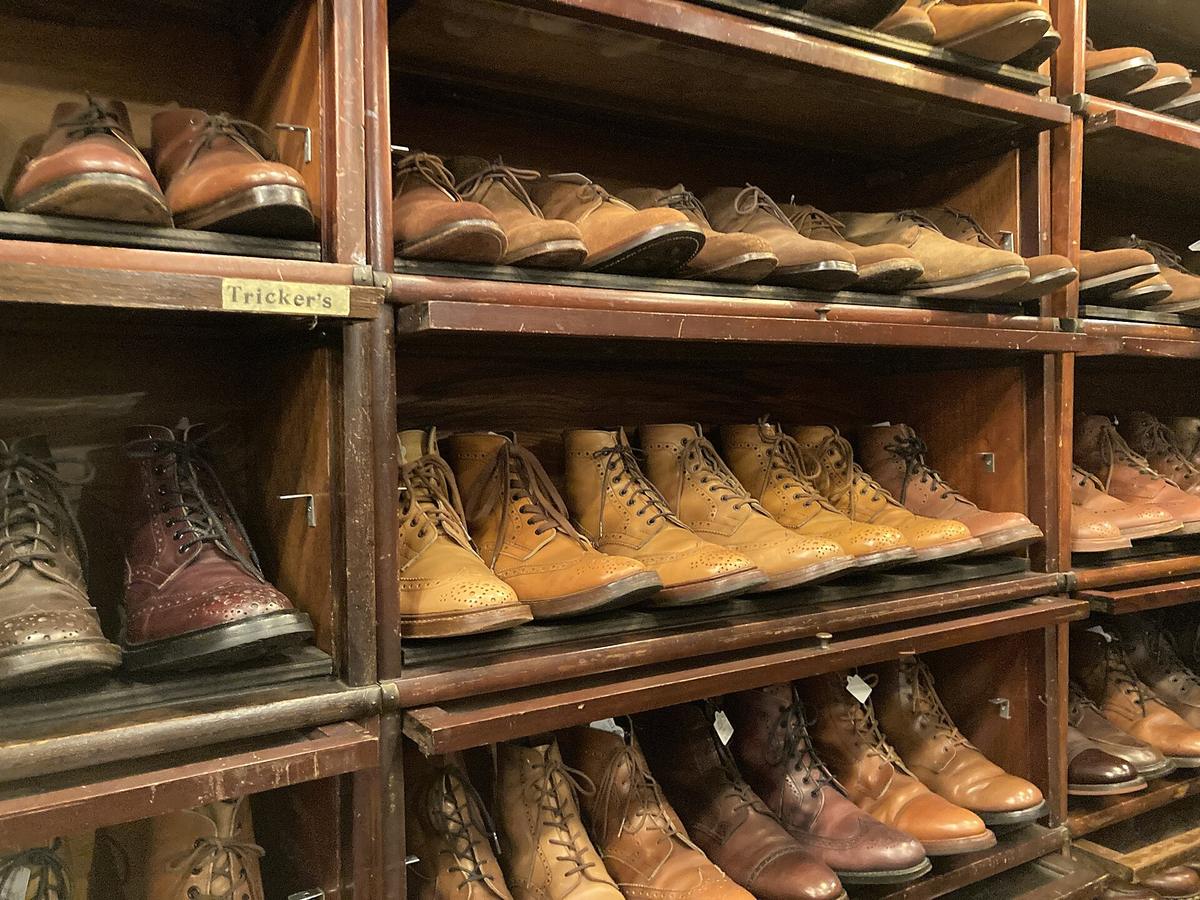
Take the JR Chuo Line Rapid service four minutes west from Shinjuku. Walk out the north exit and you hit the Junjo arcade, a covered shopping strip about two hundred metres long that looks like every other post-war shotengai until you notice what is inside. This is not Shimokitazawa with its curated Americana and fifteen-thousand-yen denim jackets. Koenji's second-hand clothing shops, numbering roughly a hundred, operate on a different axiom: domestic casual and mass-market vintage, priced between three hundred and eight thousand yen per item. Shimokitazawa charges five hundred to fifteen thousand yen because it skews toward brand density and designer deadstock. Koenji skews toward turnover. Dig through racks of polyester bowling shirts and eighties surplus jackets until you find the one that costs seven hundred yen and has a cigarette burn in the collar. That is the point.
Live Houses And The Underground Spine
Koenji holds more than thirty live houses. The count depends on whether you include the bars that squeeze a four-piece band into a corner every Tuesday. Capacity ranges from fifty to three hundred. Tickets run fifteen hundred to four thousand yen. The dominant genres are punk, hardcore, indie rock, experimental, noise, and post-rock. You come here for the stuff that does not fit in Shibuya. Search these names when you arrive: 20000 Den-atsu, HIGH, Club Roots, Penguin House, Sound Studio DOM, SUB Store Tokyo, JIROKICHI. Most do not take online bookings. Walk in, check the flyer taped to the door, pay at the counter, and watch the band from three metres away. Foreigner pricing does not exist here. The audience is the same people who work in the kitchens and record shops.
Records, Curry And Standing Drinks
Fifteen record shops scatter the area, split between new vinyl, used vinyl, CD, and cassette. Enban, General Record Store, Rare Records, the local HMV, and a Disk Union outpost are the anchors. None of them feel like a museum. Flip through bins, pay cash, leave. Eating follows a similar logic. Izakaya skewer plates cost a hundred to four hundred yen. The standing bars, tachinomi, charge three hundred to six hundred yen per drink. Koenji's curry shops are a separate category of local religion; several live houses double as curry cafes during daylight hours. You do not need a reservation for any of this.

The Four Shotengai That Frame the District
The drinking arcades around Koenji station are Junjo, Pal, Look, and Eto. They look identical from the outside: low ceilings, fluorescent tubes, sliding metal shutters half-wound. The difference is who you find inside. Junjo runs longest at two hundred metres and carries the heaviest festival traffic. Pal and Look branch off the main drag and contain the densest pocket of live houses. Eto sits south of the station and skews older, quieter, more izakaya. Walk all four in a loop on a weekday evening. You see the district in its natural state: unhurried, slightly scuffed, functional.
Awa Odori: When the Whole District Becomes a Stage
The annual Awa Odori festival happens on the last Saturday and Sunday of August. In 2026, those dates are August 29 and 30. The event runs 17:00 to 20:00 each day. The streets around Koenji Station, primarily along Junjo and the adjacent thoroughfares, close to vehicles. Amplified taiko and shamisen become audible from the train platform. Around a hundred and fifty dance troupes, or ren, participate. The 2025 attendance was approximately one million people over two days, a figure published by the Suginami Ward tourism office. Expect crowds that dense and plan accordingly.
What Changes And What Stays
During the festival, food stalls line every side street that is not part of the dance route. The same arcades that sell used vinyl in March sell grilled squid skewers and shaved ice in late August. The live houses still run shows, but the audience flows in and out between dance sets rather than staying for a full bill. The standing bars operate at double speed. What disappears is anonymity. Koenji's everyday character is a district where you can browse records for an hour without speaking to anyone. During Awa Odori, you cannot move without touching a stranger. That contrast is the reason to schedule your visit around these two days. Outside the festival, Koenji is a resource you use. During it, Koenji is an event you participate in.

Other areas in Tokyo
- Akihabara
- Asakusa
- Ebisu
- Futako-tamagawa
- Ginza
- Harajuku
- Ikebukuro
- Jimbocho
- Jiyugaoka
- Kagurazaka
- Kichijoji
- Kiyosumi-Shirakawa
- Kuramae
- Marunouchi
- Nakameguro
- Nakano
- Nihonbashi
- Ningyocho
- Odaiba
- Omotesando and Aoyama
- Roppongi
- Ryogoku
- Sangenjaya
- Shibamata
- Shibuya
- Shimokitazawa
- Shin-Okubo
- Shinagawa
- Shinjuku
- Sugamo
- Takadanobaba
- Todoroki
- Tsukiji
- Tsukishima
- Ueno
- Yanaka
- Yurakucho and Shinbashi
Frequently Asked Questions
Is Koenji just a cheaper version of Shimokitazawa?
No. The price differential is real, but the identity is different. Shimokitazawa has more curated Americana, designer vintage, and higher brand density. Koenji skews toward domestic casual and mass-market vintage with a strong punk and experimental music backbone. Visit Shimokitazawa for a curated retail experience. Visit Koenji to dig through bulk racks and catch a hardcore show in a fifty-capacity room.
Do I need tickets in advance for Awa Odori?
No. The festival is a free street event. No tickets, no wristbands, no reserved viewing areas. Arrive, stand in the crowd, watch the troupes pass. The dance route runs through public streets, primarily Junjo. Get there by 16:00 to secure a spot near the front for a clear view.
Do the vintage shops and record stores accept credit cards?
Many of the smaller shops are cash only. Bring enough yen for a full afternoon of browsing. The larger outposts like Disk Union and HMV take cards, but the individual live-house record bins and the independent clothing stalls likely will not. There is a 7-Eleven with an ATM at the north exit.
Can I visit Koenji and Shimokitazawa on the same day?
Geographically yes, they are stops apart on the JR Chuo-Sobu Line. Doing both properly takes a full day each. Each district has over a hundred second-hand clothing shops and a dense live house scene. Splitting a single afternoon between them means you rush both. Pick one per day.
What happens if I visit Koenji in a month other than August?
You get the district without the one million extra people. The vintage shops, record stores, live houses, and standing bars operate year-round. The festival is the district's most famous event, but the everyday character is what draws repeat visitors. Late autumn and early spring are excellent. Avoid Golden Week, mid-August before the festival, and the New Year closure period.
Read next
-
 Tokyo Hotels by Type and Budget from Capsules to Luxury
Tokyo hotels organised by type and price band, from efficient capsule pods to full-service luxury towers, to help you book the right room.
Tokyo Hotels by Type and Budget from Capsules to Luxury
Tokyo hotels organised by type and price band, from efficient capsule pods to full-service luxury towers, to help you book the right room.
-
 Where to Stay in Tokyo by District and Travel Style
A comparison of Tokyo's major districts to help you choose the right base for your travel style, whether you want calm or chaos.
Where to Stay in Tokyo by District and Travel Style
A comparison of Tokyo's major districts to help you choose the right base for your travel style, whether you want calm or chaos.
-
 Narita or Haneda for Tokyo and What That Airport Choice Costs You
Narita or Haneda for Tokyo: compare door-to-district time, transfer cost, and what the wrong airport choice eats from your trip.
Narita or Haneda for Tokyo and What That Airport Choice Costs You
Narita or Haneda for Tokyo: compare door-to-district time, transfer cost, and what the wrong airport choice eats from your trip.
-
 Things to Do in Tokyo That Are Worth Your Limited Days
A curated list of Tokyo's highest-impact sights and experiences, from immersive art to quiet backstreets, to help you prioritise your days.
Things to Do in Tokyo That Are Worth Your Limited Days
A curated list of Tokyo's highest-impact sights and experiences, from immersive art to quiet backstreets, to help you prioritise your days.
-
 Best Time to Visit Tokyo Month by Month Tradeoffs
A month-by-month guide to visiting Tokyo, laying out the trade-off between weather, crowds, price, and what's actually open.
Best Time to Visit Tokyo Month by Month Tradeoffs
A month-by-month guide to visiting Tokyo, laying out the trade-off between weather, crowds, price, and what's actually open.
-
 Getting Around Tokyo by Train Airport Transfers and IC Cards
A practical guide to Tokyo's rail network, covering airport transfers, IC cards, and how to avoid the station navigation mistakes that eat your day.
Getting Around Tokyo by Train Airport Transfers and IC Cards
A practical guide to Tokyo's rail network, covering airport transfers, IC cards, and how to avoid the station navigation mistakes that eat your day.
-
 Akihabara
 Tokyo guide: electronics, anime, and arcades stacked floor by floor, from Radio Kaikan to the maid cafe touts.
Akihabara
Akihabara Tokyo guide: electronics, anime, and arcades stacked floor by floor, from Radio Kaikan to the maid cafe touts.
-
 Marunouchi
Staying in Marunouchi puts you steps from Tokyo Station's Shinkansen platforms and Narita Express, trading nightlife buzz for unmatched rail connectivity and wide, quiet weekend boulevards.
Marunouchi
Staying in Marunouchi puts you steps from Tokyo Station's Shinkansen platforms and Narita Express, trading nightlife buzz for unmatched rail connectivity and wide, quiet weekend boulevards.
-
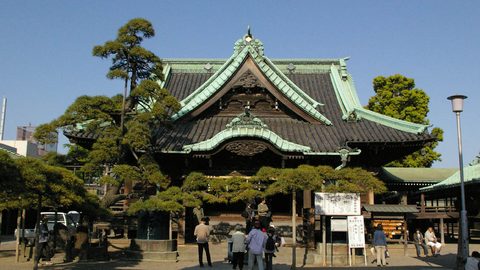 Shibamata
 preserves a 1950s Tokyo on its temple approach street, forever tied to the Tora-san film series and best visited for unagi and old-school snacks.
Shibamata
Shibamata preserves a 1950s Tokyo on its temple approach street, forever tied to the Tora-san film series and best visited for unagi and old-school snacks.