Where Osaka's Cherry Blossoms Actually Bloom and How to See Them
Osaka's best cherry blossom viewing requires a ballot most visitors never hear about. The Japan Mint opens for one week in April, here is how to get in.

Where Osaka’s Cherry Blossoms Actually Bloom and How to See Them
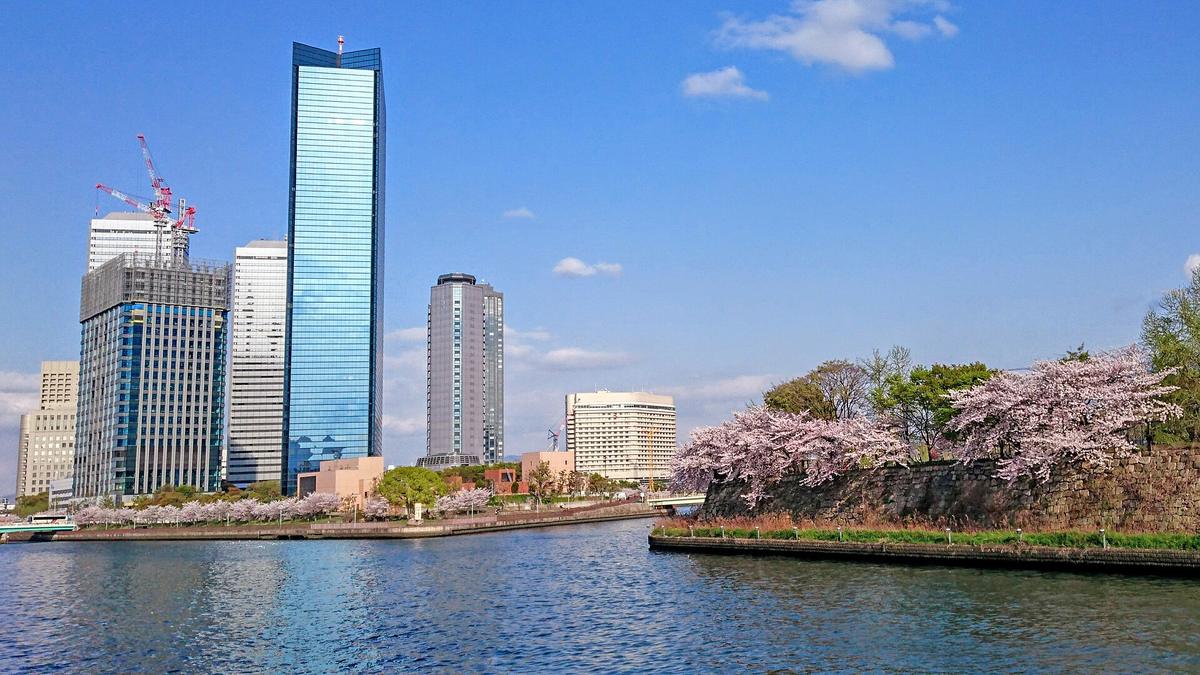
You arrive at the Osaka Mint Bureau on a Tuesday morning in early April and the security guard holds up a palm. The one-week entry window for its 340 double-flowered cherry trees runs on an advance online ballot system. Most visitors do not hear about it until the application window closes in early March. Miss it, you miss the entry. That is the single most common failure point in an Osaka cherry blossom trip, and it costs you the most spectacular late-blooming collection in the city. Book the dates and apply in early March. The Japan Meteorological Corporation publishes the forecast in January and revises it across April. Target a stay from late March to early April for the main Somei Yoshino peak, then add the Mint entry in mid-April as your second act.
Osaka Castle Park and the 3,000 Tree Volume Play
Nishinomaru Garden Before The Crowds
Osaka Castle Park holds roughly 3,000 cherry trees. Nishinomaru Garden inside the park contains about 300 of them in a walled enclosure with a direct view of the castle keep. The park entry is free. The garden costs ¥200 and stays open until 21:00 during blossom season, with evening illumination from sunset. Arrive by 07:30 via the Otemon gate. By 09:00 the main pathways fill with groups on blue tarpaulin sheets bought from the Don Quijote in Shinsaibashi the night before. Alcohol is permitted, so the crowd is loud and social.
Skip The Castle Interior
What most guides miss: the Nishinomaru Garden timed entry is not a factor if you arrive before 10:00. The bottleneck forms at the paid gate after lunch. Skip the castle interior. It is a concrete reconstruction with a museum inside that has no connection to the outdoor blossom experience, and the queue for the elevator stretches 40 minutes during peak week. Stay on the grass.
Kema Sakuranomiya Park and the Riverside Alternative
Kema Sakuranomiya Park runs 4.2 kilometres along the Okawa River with approximately 4,800 cherry trees. That is 1,800 more than Osaka Castle Park. The crowd density is lower. The reason is simple: the park is a linear riverbank without a single landmark that forces everyone into one spot. You spread out. Alcohol is allowed. Evening illumination runs until 21:00.
The Best Stretch To Walk
Access it from JR Kyobashi Station or the subway at Temmabashi. Budget 90 minutes to walk the full length one way. The best stretch sits between the Neyagawa Bridge and the Sakuranomiya Bridge, where the branches arch over the walking path. Do not make the mistake of thinking this is a scenic river cruise. The Osaka water buses run along the Okawa, but the seats fill by 09:00 and the boat windows are low fogged plastic. Walk instead.
Expo 70 Commemorative Park and the Space Solution
Expo 70 Commemorative Park holds roughly 5,500 cherry trees, the single largest concentration by count in the city. Admission is ¥260. During blossom season the park extends its hours to 21:00. What the number hides: the trees are spread across 260 hectares of former world exposition grounds, so the density per square metre is lower than Kema Sakuranomiya or Osaka Castle Park. That is the point. If your tolerance for shoulder-to-shoulder crowds is zero, go here.
The Trade-Offs
The location is the cost. It sits in Suita, a 25-minute ride from Umeda on the Osaka Monorail, and the station is a 15-minute walk from the park entrance. The second trade-off is alcohol. Some zones prohibit it. Check the zone map posted at each gate before you spread your sheet. For families with children who need running space, this is the correct choice.
Nakanoshima and the Quiet River Island
Nakanoshima is the narrow island between the Dojima and Tosabori rivers. It has no single concentrated cherry grove. What it gives you instead is a scattered set of roughly 300 trees along the riverfront promenades and around the rose garden, with office workers eating lunch on benches and almost no tarpaulin culture. This is not a hanami destination. It is a place to walk between a morning at the Osaka Museum of Oriental Ceramics and a late lunch in the Umeda underground. The trees bloom on the same schedule as the rest of central Osaka. The advantage is the urban frame: the trees against the 1918 brick of the City Hall building and the modernist glass of the Nakanoshima Museum of Art create a quieter aesthetic than the party atmosphere of the castle park. Arrive on a weekday at 11:00 and you will have the path mostly to yourself.
The Mint Passage Ballot System Step by Step
The Osaka Mint Bureau entry opens for approximately one week in mid-April, after the main Somei Yoshino season has ended. The roughly 340 trees are late-blooming double-flowered varieties across about 130 types. Entry is free. Access requires a successful application via the advance online ballot, which opens in early March. The result notification arrives in mid-March.
How To Apply
The application page is in Japanese, though the form fields are standard enough to complete with a browser translation. You provide your name, email address, preferred visiting date and time slot, and the number of people in your group. A confirmation code arrives by email. Print it or save a screenshot with the full QR code.
Getting In
The entry gate is at 1-1-79 Tenma, Kita-ku. The nearest station is JR Osakajokitazume or Osaka Metro Temmabashi. Do not arrive without confirmation. The guard will not let you in.
What Happens If You Miss the Ballot or the Bloom
If you missed the Mint ballot, the late-blooming double flowers do have a backup option. The higher elevation areas of northern Osaka Prefecture, such as Minoh Park, bloom roughly one week later than central Osaka. The offset gives you a second window that runs into mid-April. Minoh Park itself is a waterfall walk accessed from Hankyu Umeda via the Minoh Line, 30 minutes and ¥280. The cherry trees are not concentrated in a single grove. They line the approach road and the riverbank on the walk to the falls. If you arrived too early for the central Osaka peak, Kyoto blooms slightly later than Osaka on average. The 29-minute JR Special Rapid from Osaka Station to Kyoto costs ¥580. For the forecast itself, check the Japan Meteorological Corporation website. They publish the first estimate in January and revise it across April. Do not trust third-party cherry blossom blogs that do not name their source.
The Logistics That Break an Osaka Blossom Trip
Umeda Station Will Eat Your Morning
The single biggest trip-up is Umeda station. It is not one station. It is six separate terminals stacked across three dimensions: JR Osaka, Hankyu Umeda, Hanshin Umeda, subway Umeda, Higashi Umeda, and Nishi Umeda. If you tell someone to meet you at Umeda without naming the department store exit or the ticket gate number, you will not see them for 20 minutes. Use the central exit of the Hankyu Sanbangai shopping complex as your landmark.
Where Not To Sleep
The second break point is accommodation near Shin-Osaka station. It is a Shinkansen stop and a sterile business district with almost no nightlife. The commute to Namba or Umeda eats 40 minutes round trip each day. Book in Kita near Umeda or in Minami near Namba instead. The third break point is hotel rates. Late March to early April is a domestic travel surge. Rates double or triple. Book your room by December. The same applies to November for autumn foliage.

What to Bring and What to Leave Behind
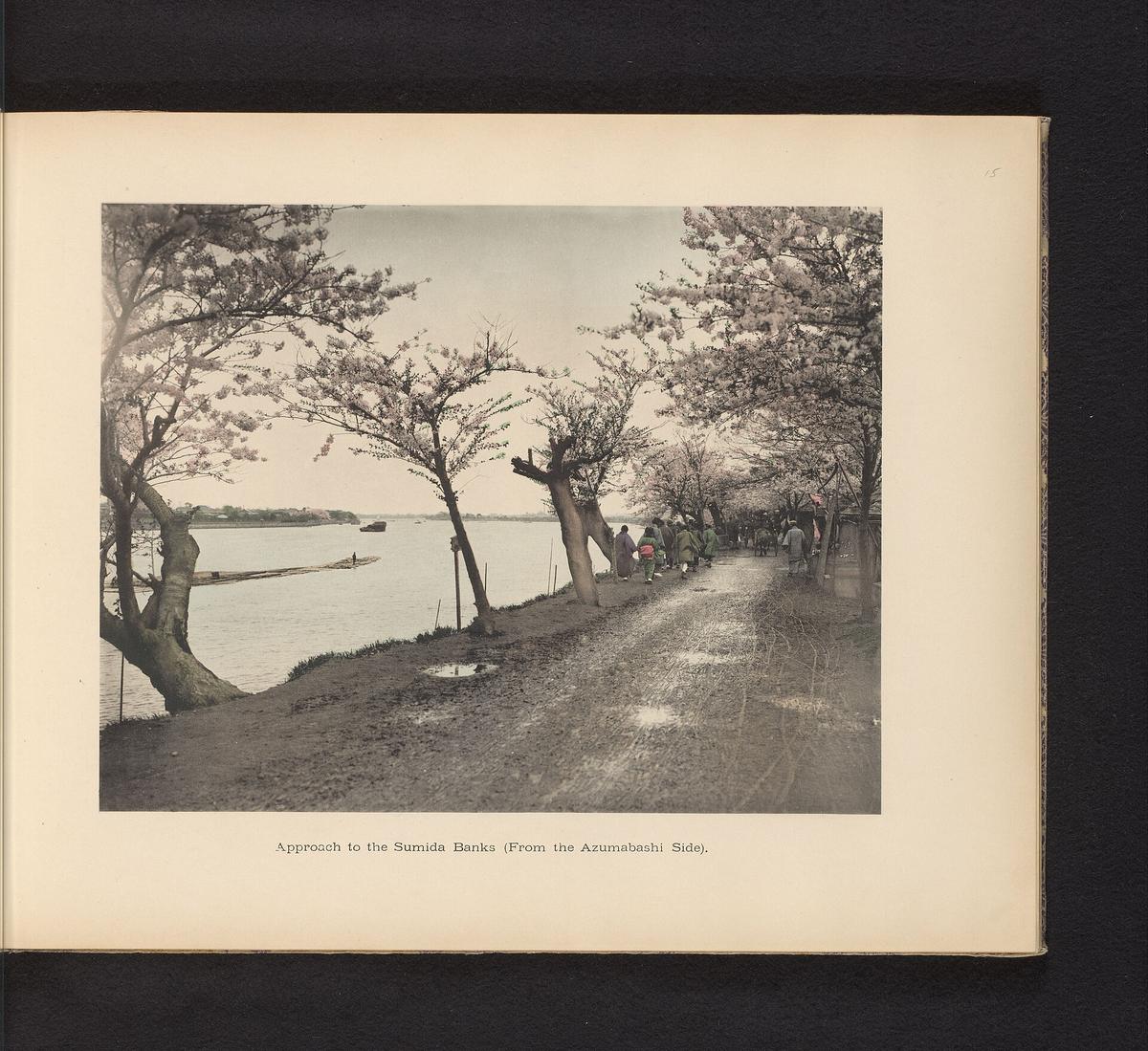
Buy a blue tarpaulin sheet at a 100-yen shop or Don Quijote the night before. The common sizes are 2 metres by 2 metres or 2 metres by 3 metres. Do not expect to find them on the morning of your hanami date in the parkside convenience stores. They sell out by 09:00.
Food And Cash
Pick up food at the depachika basement floor of Hankyu Umeda or any supermarket prepared-foods section. The standard spread is bento boxes, onigiri, karaage, edamame, dango, and sakura mochi. Do not assume you can buy alcohol in the park. The konbini near Osaka Castle Park stocks drinks but the selection narrows by 11:00 because everyone else had the same idea. Carry ¥5,000 in cash. The standing bars in Shinsekai and the kushikatsu joints do not take cards. Leave the wheeled suitcase at your hotel. The multi-level concrete walkways and the gaps between platforms at Umeda are not luggage-friendly.
When You Should Skip Osaka Entirely
If your idea of spring in Japan means quiet contemplative strolls through temple gardens with few other people, do not come to Osaka for cherries. Go to Kyoto. Osaka is loud, unpolished, and openly obsessed with food and commerce. The famous friendliness does not survive the morning rush on the Midosuji Line. The city moves faster than Tokyo politeness and feels more working class. The rivers and the multi-level concrete make it harder to navigate on foot than the compact walking streets of Kyoto. The hanami culture here means amplified music, drinking, and shouting. The Osaka Castle Park lawn on a Saturday afternoon in early April sounds like a festival stage. That is the appeal for some. If it is not yours, take the 29-minute JR Special Rapid to Kyoto Station and walk the Philosopher's Path instead. The trees there are quieter. They are also better photographed.
The Honest Caveat
Osaka cherry blossom viewing is not a visual competitor to Kyoto or Hirosaki or Fuji Five Lakes. The trees are younger. The frames include expressway bridges and apartment blocks. The famous sites like Kema Sakuranomiya Park are linear riverbanks, not grand gardens. The value of an Osaka blossom trip is not the flowers themselves. It is the combination of the flowers with the city: eating takoyaki on a blue sheet under a cherry tree while a group from the next sheet over passes you a bottle of shochu. That scene does not happen in Kyoto. If you want the blossoms and you want the city, Osaka delivers the city harder than any other Japanese destination. But the blossoms are the excuse, not the event.
| Site | Tree Count | Admission | Evening Illumination | Alcohol Policy |
|---|---|---|---|---|
| Osaka Castle Park | 3,000 | Park free, Nishinomaru Garden ¥200 | Sunset–21:00 | Permitted |
| Nishinomaru Garden | 300 (inside castle park) | ¥200 | Sunset–21:00 | Permitted |
| Kema Sakuranomiya Park | 4,800 | Free | Sunset–21:00 | Permitted |
| Expo 70 Commemorative Park | 5,500 | ¥260 | Until 21:00 | Prohibited in some zones |
| Osaka Mint Bureau | 340 | Free, ballot required | Not applicable | Not applicable |
Read next
-
 Osaka Hotels, Sorted by Price Band and Property Type Not Neighbourhood
Osaka hotels sorted by budget and type, business towers, luxury high-rises and the few ryokan, with the trade-off each choice demands.
Osaka Hotels, Sorted by Price Band and Property Type Not Neighbourhood
Osaka hotels sorted by budget and type, business towers, luxury high-rises and the few ryokan, with the trade-off each choice demands.
-
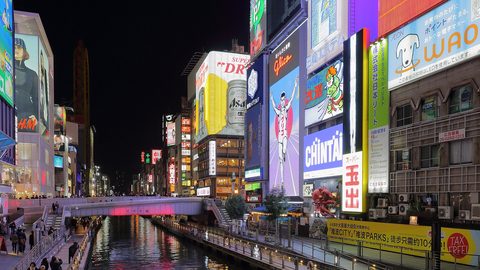 Where to Stay in Osaka, Pick the District That Matches Your Nights
Osaka's districts switch character after sunset. Pick where to stay based on whether you want street food chaos, standing-bar crawls or a quiet lane.
Where to Stay in Osaka, Pick the District That Matches Your Nights
Osaka's districts switch character after sunset. Pick where to stay based on whether you want street food chaos, standing-bar crawls or a quiet lane.
-
 Osaka Flights Which Airport to Choose and When to Book
KIX or Itami? Which Osaka airport to fly into, when flight prices spike during cherry blossom and November, and the booking windows that matter.
Osaka Flights Which Airport to Choose and When to Book
KIX or Itami? Which Osaka airport to fly into, when flight prices spike during cherry blossom and November, and the booking windows that matter.
-
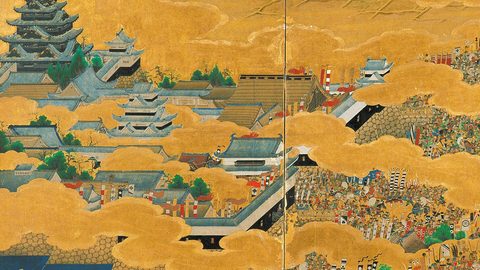 Osaka Things to Do, What Earns a Slot in Two Full Days
Osaka is not a monument city. This page ranks what earns a slot in two full days, from Dotonbori's neon to Shinsekai's retro grit.
Osaka Things to Do, What Earns a Slot in Two Full Days
Osaka is not a monument city. This page ranks what earns a slot in two full days, from Dotonbori's neon to Shinsekai's retro grit.
-
 Best Time to Visit Osaka, Month by Month and the Trade Off Each One Asks
-
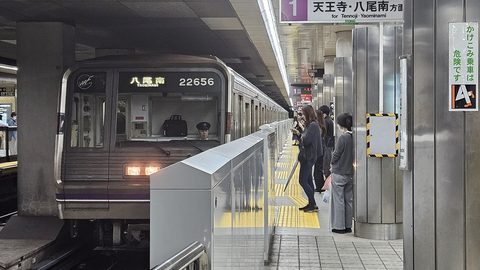 Getting Around Osaka, The Subway, the Private Railways and the Umeda Maze
Osaka's transit is fast but fractured. The Umeda station maze, private railway tickets and the ICOCA card explained before you go.
Getting Around Osaka, The Subway, the Private Railways and the Umeda Maze
Osaka's transit is fast but fractured. The Umeda station maze, private railway tickets and the ICOCA card explained before you go.
-
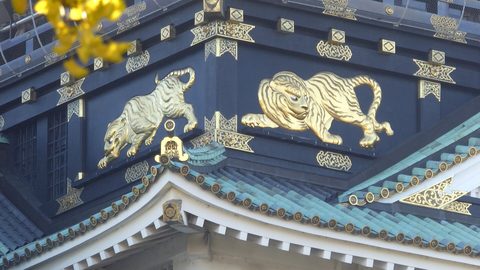 Osaka Castle
's park and moat walks outshine the concrete-reconstructed keep, which houses a museum and observation deck rather than original interiors.
Osaka Castle
Osaka Castle's park and moat walks outshine the concrete-reconstructed keep, which houses a museum and observation deck rather than original interiors.
-
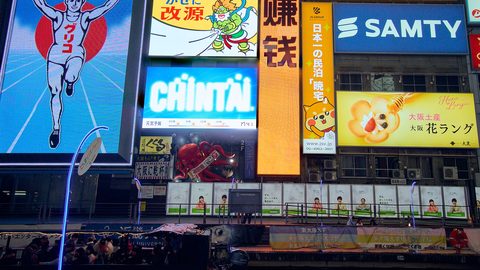 Dotonbori
 is Osaka's neon-lit eating canal, best used as a full-evening food and bar crawl rather than a quick Glico Sign photo stop.
Dotonbori
Dotonbori is Osaka's neon-lit eating canal, best used as a full-evening food and bar crawl rather than a quick Glico Sign photo stop.
-
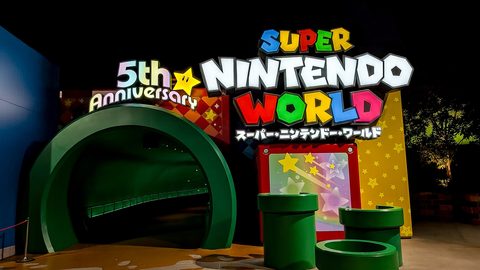 Universal Studios Japan
 demands a full day and a pre-purchased timed-entry ticket; here is whether USJ is worth it and how the ticketing actually works.
Universal Studios Japan
Universal Studios Japan demands a full day and a pre-purchased timed-entry ticket; here is whether USJ is worth it and how the ticketing actually works.