Where Osaka Drinks: A District-by-District Nightlife Map
Osaka drinks differently in every neighbourhood. Kyobashi keeps it cheap and standing, Kitashinchi runs on expense accounts, and Dotonbori never sleeps. Which one is yours?
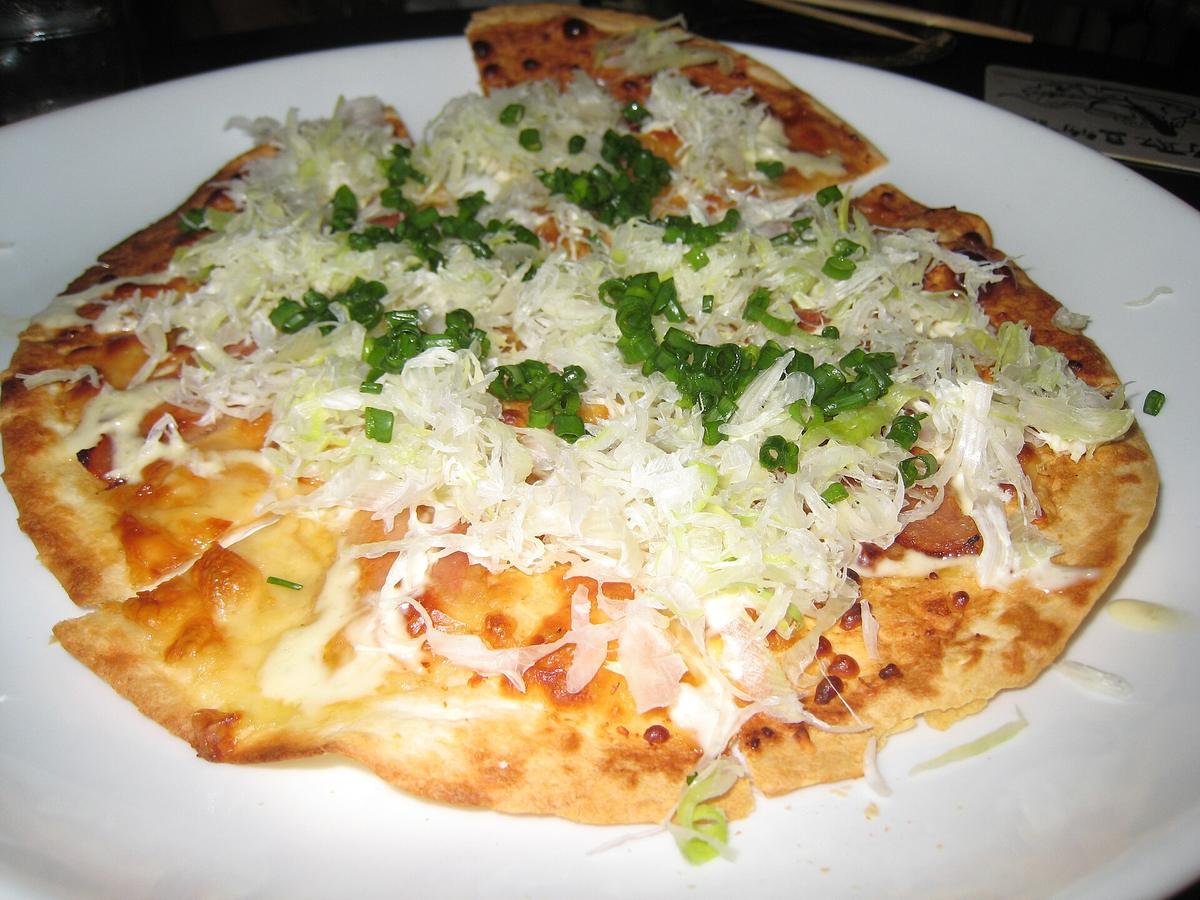
Osaka Nightlife District Guide
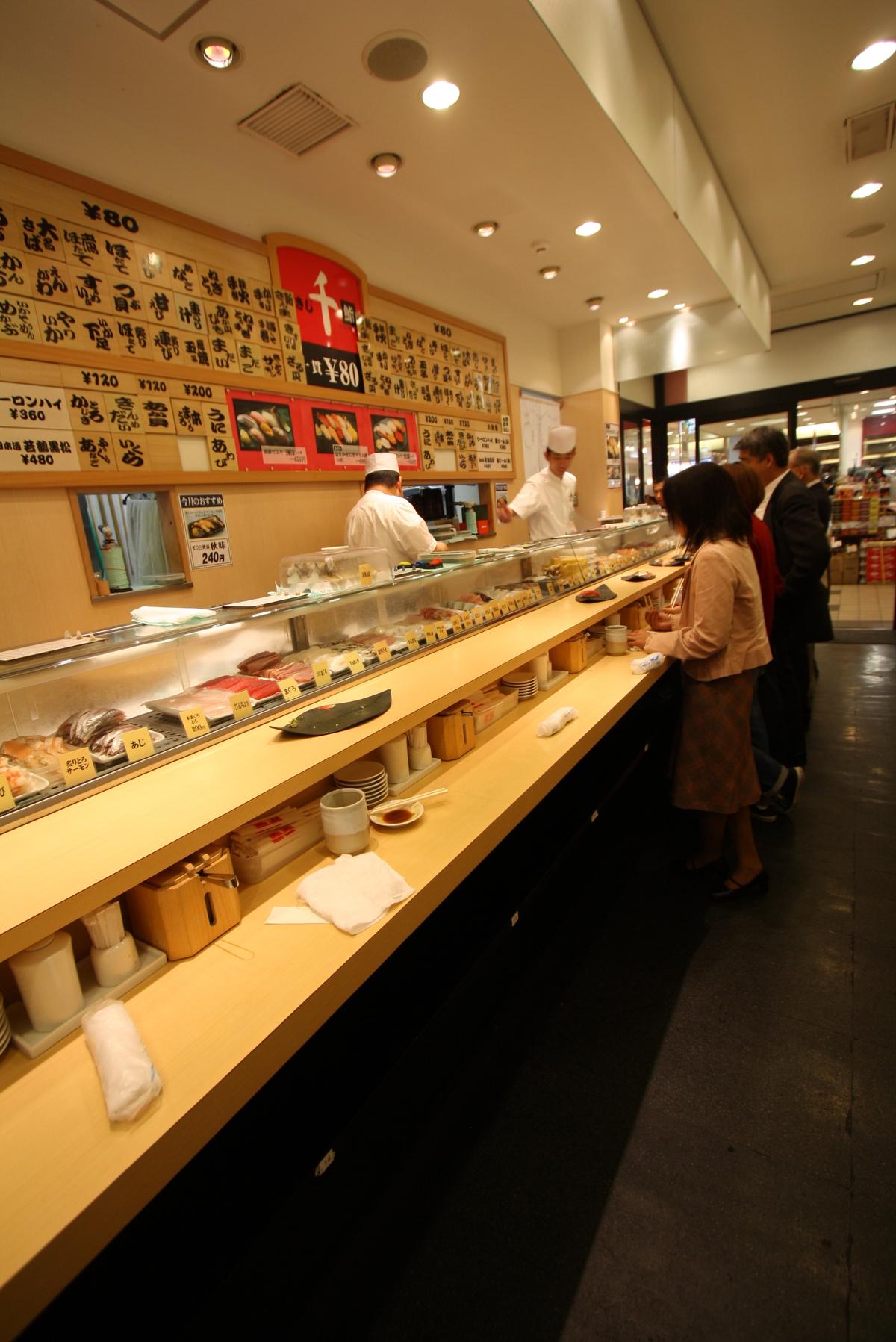
At 11 p.m. on a Tuesday, the sliding door of a Kyobashi standing bar opens onto four salarymen holding paper cups of highball, a television tuned to a baseball game no one is watching, and a counter no wider than a forearm. You order by pointing at the bottled beer in the cooler. You drink standing. You leave after three rounds. That is one version of Osaka after dark. Here is the rule: the district you choose decides the entire night. No district is better. Each one is a different species of drinking. Match the species to the drinker or you will pay for the wrong one in confusion, cover charges, or loneliness.
Pick Kyobashi if your budget runs to ¥300 beers and your social tolerance runs to a counter where strangers talk to you uninvited. Pick Kitashinchi if your company is paying and you want to see the version of Osaka that does not exist until 8 p.m. Pick Dotonbori for a single lap of spectacle, one drink, and then leave. Pick Amerikamura if you are under 25 or wish you were. Pick Shinsekai if you start early and finish before midnight. The city has no single nightlife centre. It has districts that do not mix. Choose correctly and you will not pay for a drink you did not want or sit in a bar that has no room for you.
Kyobashi: the Standing Bar Republic
Kyobashi is one stop east of Osaka Station on the JR Loop Line. Leave the station, cross the bridge, walk under the elevated tracks. The bars are small, unmarked, and occupied by people who live within a twenty minute walk. This is not a night out. This is a practiced ritual: a quick beer, a skewer of grilled chicken skin, ¥500 total, then the next bar.
How To Enter
Slide the door open and stand at the counter. Do not wait to be seated because there are no seats. Look at what people around you are eating and order the same thing by pointing. The first drink is a beer, a draft lager at ¥300 to ¥500. Snacks run ¥100 to ¥300. The bar will put a small dish in front of you within thirty seconds. That is the otoshi, a cover charge of ¥300 to ¥600. You pay it. It is not optional.
The Social Script
Talking to strangers is normal. Osaka's working class reputation is real in Kyobashi. A nod, a raised glass, a basic question about the food all work. Solo drinking here is the default, not an exception. Many customers come alone and leave alone. If you want conversation, sit at the counter instead of the wall. If you want quiet, do the opposite. The last train from Kyobashi leaves around 00:25 on the JR line, but the bars empty earlier. This is a commuter's habit, not an all night crawl.
Kitashinchi: the Expense Account Zone
Kitashinchi sits east of JR Osaka Station between Dojima and Sonezaki. It is invisible during the day. After 8 p.m., the street level fills with black cars and men in suits. This is the opposite of Kyobashi in every dimension. The bars here are seated, private, and priced to exclude. A hostess bar cover charge runs ¥5,000 to ¥15,000 before a drink touches the table. Dinner and drinks for two people will cost ¥15,000 to ¥30,000 per person. No one comes here for the food. They come for the ritual of being hosted.
How To Enter
You do not walk into a Kitashinchi bar cold. Most hostess bars require an introduction or a reservation. If you try to enter without one, the door staff will ask who sent you. Have a name or walk away. For the dining bars that are not hostess clubs, a reservation made earlier that day through your hotel concierge is the safe move. Dress code is jacket and closed shoes. Trainers will get you turned away at the door of most places above ground level.
Who Should Skip It
Solo drinkers on a normal budget. This district rewards groups of two or more on corporate entertainment tabs. If you are paying for yourself and you want a drink without a minimum spend that runs into five figures, skip Kitashinchi entirely. Walk the streets to see the architecture and the neon reflected in the canal, but do not open a door.
Dotonbori: the Tourist Tube
Dotonbori is the canal walkway with the Glico sign, the giant mechanical crab, and the crowd that makes the sidewalk impassable after 7 p.m. on weekends. It is not a bar district. It is a food corridor with drink stands. The drinks you will find here are the same highballs and draft beer sold everywhere else, but at a markup and with longer queues. One drink on the main strip, then leave. The real Osaka nightlife starts in the streets that feed into Dotonbori: Hozenji Yokocho, the 80 metre alley running parallel to Sennichimae dori, and Ura Namba, the grid of narrow lanes immediately south of Dotonbori west of Sakaisuji. Both are calmer, cheaper, and full of small izakaya and standing bars where locals actually go.
The Tout Problem
Dotonbori's main canal walkway, Soemon cho, and Higashi Shinsaibashi are thick with touts after dark. Their job is to pull you into a bar that will add undisclosed seat charges and bottle keep fees to your bill. Red flag: no menu displayed outside, no prices on the menu inside. Walk past anyone who approaches you. Do not make eye contact. If you want a bar on Dotonbori, find it yourself by reading the menu posted at the entrance. If there is no menu, do not enter.
The Eating While Walking Trap
Eating while walking is locally frowned on despite the street food atmosphere. Stand next to the vendor's stall to finish your takoyaki. Put the wrapper in the bin at the stall. The crowd will not make this easy, but the locals notice.
Amerikamura: Youth Without Pretence
Amerikamura, called Amemura, sits west of Midosuji centred on Triangle Park. The target age is 18 to 25. The style is thrift store fashion, skate shoes, and the kind of loud confidence that comes from not yet having a corporate job. Bars here are cheap, small, and standing only. The crowd is a mix of Osaka university students and tourists young enough to blend in. Drinks sit in the same ¥300 to ¥500 range as Kyobashi but the atmosphere is louder and more performative. Solo drinking here is less common because most people arrive in groups. Sitting alone at a counter is not a problem. Do not dress up. Do not try to look serious. Order a highball and let the bar noise fill the space.
Shinsekai: the Early Shift
Shinsekai is the retro district around Tsutenkaku Tower. It looks like a nightlife district because the neon signs are still on. But the crowd thins sharply after 9 p.m. The bars here are small, cash only, and run by older owners who close early. Arrive at 6 p.m. Eat kushikatsu. Drink one or two beers. Leave by 9. Do not treat it as a late night option. If you arrive at 10 p.m. expecting a late night, you will find locked shutters and a few kushikatsu shops serving the last skewers to a handful of customers. The last trains from Shinsekai run on the JR Loop Line and the Midosuji subway line, but you will be done before they matter.
Tenma and the Izakaya Density Record
Tenma is one stop from Osaka Station on the JR Osaka Loop Line. It claims the highest concentration of izakaya per square kilometre in Osaka. That claim requires annual verification from the city's tourism data, but the density is visible on the ground: six storey buildings where every floor is a different bar, alleys lined with red lanterns, drinkers spilling onto the street. The range is wide. You can drink for ¥300 a beer in a standing bar or sit at a counter for a ¥2,500 nomihodai set.
Nomihodai: The All You Can Drink Math
A nomihodai at a mid range izakaya costs ¥1,500 to ¥2,500 per person and runs 90 to 120 minutes. The break even point for beer drinkers is three to four glasses. For cocktails and shochu, it is four to five. If you plan to drink less than that, skip the nomihodai and pay per drink. Shared plates ordered in rounds, not individual mains, is the izakaya ordering norm. Solo diners can make this work by ordering one or two dishes per round and sitting at the counter, but the system is designed for groups.

.jpg)
Drink Options Beyond the Draft Beer Default
The default Osaka nightlife drink is nama biru, draft lager, or a highball. But the city has more than thirty craft beer bars as of the last annual count. The exact number changes and the Osaka Craft Beer Association publishes the current figure. Pint prices range ¥900 to ¥1,500. Natural wine bars concentrate in Minami Horie and Ura Namba, with glasses from ¥800 to ¥1,400. For live music, aim for Shinsaibashi and Amerikamura. For jazz, try Kitashinchi, Umeda, or Shinsaibashi. Jazz bars charge a cover of ¥1,000 to ¥3,000 with sets of 45 to 60 minutes. Arrive for the start of a set. Late entry means you pay the cover for half the music.
After the Last Train
The Midosuji Line northbound from Namba stops around 00:25. Southbound from Umeda stops around 00:20. The JR Yamatoji Line from Namba stops around 00:10. After that, the options narrow. A taxi from Namba to Umeda costs ¥2,000 to ¥3,000. Umeda to Tenma costs ¥1,000 to ¥1,500. For a cheaper alternative, head to a karaoke box. Post last train hourly rates run ¥500 to ¥1,500 per person. A manga cafe overnight stay costs ¥1,500 to ¥2,500 and includes a reclining chair, a shower token, and unlimited soft drinks. The first train from Namba northbound runs around 05:15. From Umeda southbound, around 05:00. Do not plan to sleep in a karaoke booth. You will get a poor version of both sleep and karaoke.
| District | Drink Price | Crowd | Solo Friendly? | Dress Code | Best Time to Go |
|---|---|---|---|---|---|
| Kyobashi | ¥300–¥500 | Local workers, commuters | Yes | None | 18:00–23:00 |
| Kitashinchi | ¥5,000+ cover | Salarymen, business clients | No | Jacket required | 20:00–02:00 |
| Dotonbori main strip | ¥500–¥800 | Tourists | Fair | None | 18:00–20:00 (then leave) |
| Amerikamura | ¥300–¥500 | Students, 18–25 | Moderate | Casual | 19:00–01:00 |
| Shinsekai | ¥300–¥600 | Older locals, early birds | Yes | None | 17:00–21:00 |
| Tenma | ¥300–¥2,500 | Mixed, high density | Yes | None | 18:00–00:00 |
Who Osaka Nightlife Suits and Who it Does Not
Osaka nightlife suits street food grazers who plan a trip around meals, nightlife seekers who want dense bar districts without a dress code, travellers who prioritise transport convenience over beauty, repeat Japan visitors bored of Tokyo's formality, and solo travellers who find conversation easier in standing bars. It does not suit travellers seeking a quiet, traditionally beautiful Japanese city. Kyoto is next door. Osaka is not a substitute. Skip it if your idea of a city break is serene temples, minimal crowds, or early nights. The city will grind those expectations down before the first drink is finished.
Read next
-
 Osaka Hotels, Sorted by Price Band and Property Type Not Neighbourhood
Osaka hotels sorted by budget and type, business towers, luxury high-rises and the few ryokan, with the trade-off each choice demands.
Osaka Hotels, Sorted by Price Band and Property Type Not Neighbourhood
Osaka hotels sorted by budget and type, business towers, luxury high-rises and the few ryokan, with the trade-off each choice demands.
-
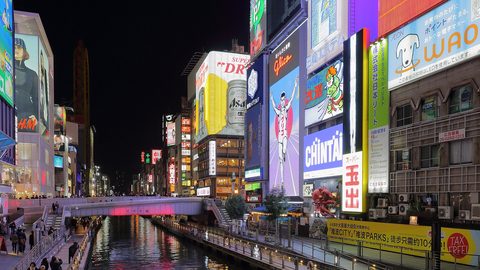 Where to Stay in Osaka, Pick the District That Matches Your Nights
Osaka's districts switch character after sunset. Pick where to stay based on whether you want street food chaos, standing-bar crawls or a quiet lane.
Where to Stay in Osaka, Pick the District That Matches Your Nights
Osaka's districts switch character after sunset. Pick where to stay based on whether you want street food chaos, standing-bar crawls or a quiet lane.
-
 Osaka Flights Which Airport to Choose and When to Book
KIX or Itami? Which Osaka airport to fly into, when flight prices spike during cherry blossom and November, and the booking windows that matter.
Osaka Flights Which Airport to Choose and When to Book
KIX or Itami? Which Osaka airport to fly into, when flight prices spike during cherry blossom and November, and the booking windows that matter.
-
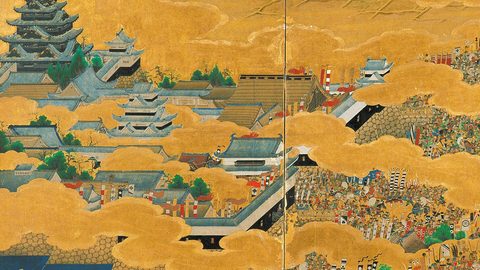 Osaka Things to Do, What Earns a Slot in Two Full Days
Osaka is not a monument city. This page ranks what earns a slot in two full days, from Dotonbori's neon to Shinsekai's retro grit.
Osaka Things to Do, What Earns a Slot in Two Full Days
Osaka is not a monument city. This page ranks what earns a slot in two full days, from Dotonbori's neon to Shinsekai's retro grit.
-
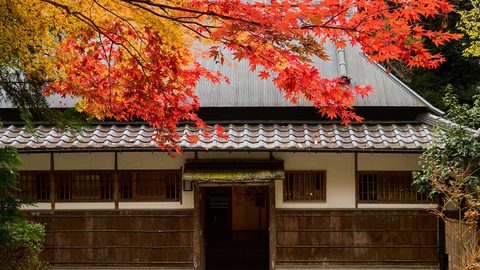 Best Time to Visit Osaka, Month by Month and the Trade Off Each One Asks
-
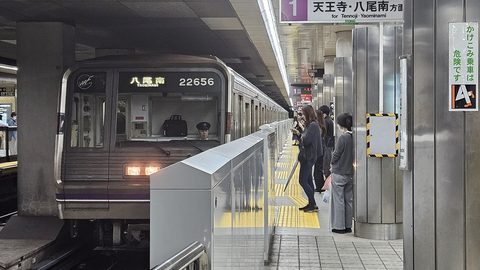 Getting Around Osaka, The Subway, the Private Railways and the Umeda Maze
Osaka's transit is fast but fractured. The Umeda station maze, private railway tickets and the ICOCA card explained before you go.
Getting Around Osaka, The Subway, the Private Railways and the Umeda Maze
Osaka's transit is fast but fractured. The Umeda station maze, private railway tickets and the ICOCA card explained before you go.
-
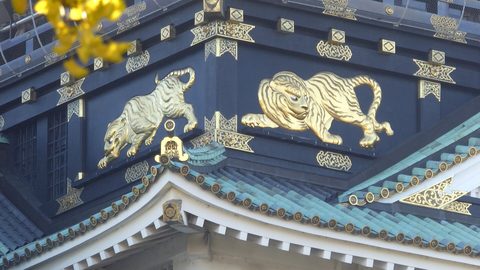 Osaka Castle
's park and moat walks outshine the concrete-reconstructed keep, which houses a museum and observation deck rather than original interiors.
Osaka Castle
Osaka Castle's park and moat walks outshine the concrete-reconstructed keep, which houses a museum and observation deck rather than original interiors.
-
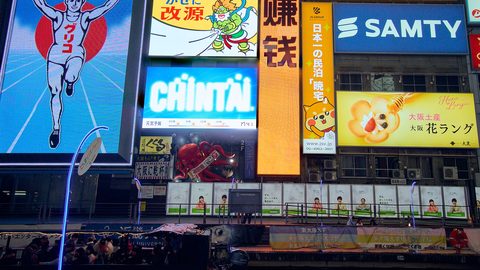 Dotonbori
 is Osaka's neon-lit eating canal, best used as a full-evening food and bar crawl rather than a quick Glico Sign photo stop.
Dotonbori
Dotonbori is Osaka's neon-lit eating canal, best used as a full-evening food and bar crawl rather than a quick Glico Sign photo stop.
-
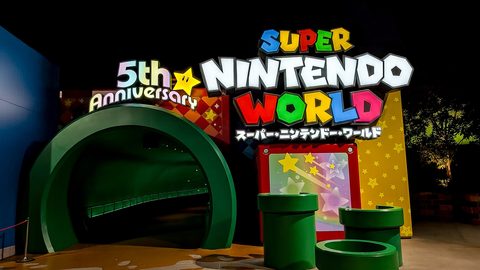 Universal Studios Japan
 demands a full day and a pre-purchased timed-entry ticket; here is whether USJ is worth it and how the ticketing actually works.
Universal Studios Japan
Universal Studios Japan demands a full day and a pre-purchased timed-entry ticket; here is whether USJ is worth it and how the ticketing actually works.