A Five-Day Tokyo Plan That Groups Neighbourhoods Sensibly
A five-day Tokyo itinerary that clusters districts geographically, so you can add second-wave neighbourhoods like Shimokitazawa and Yanaka without losing hours to trains.
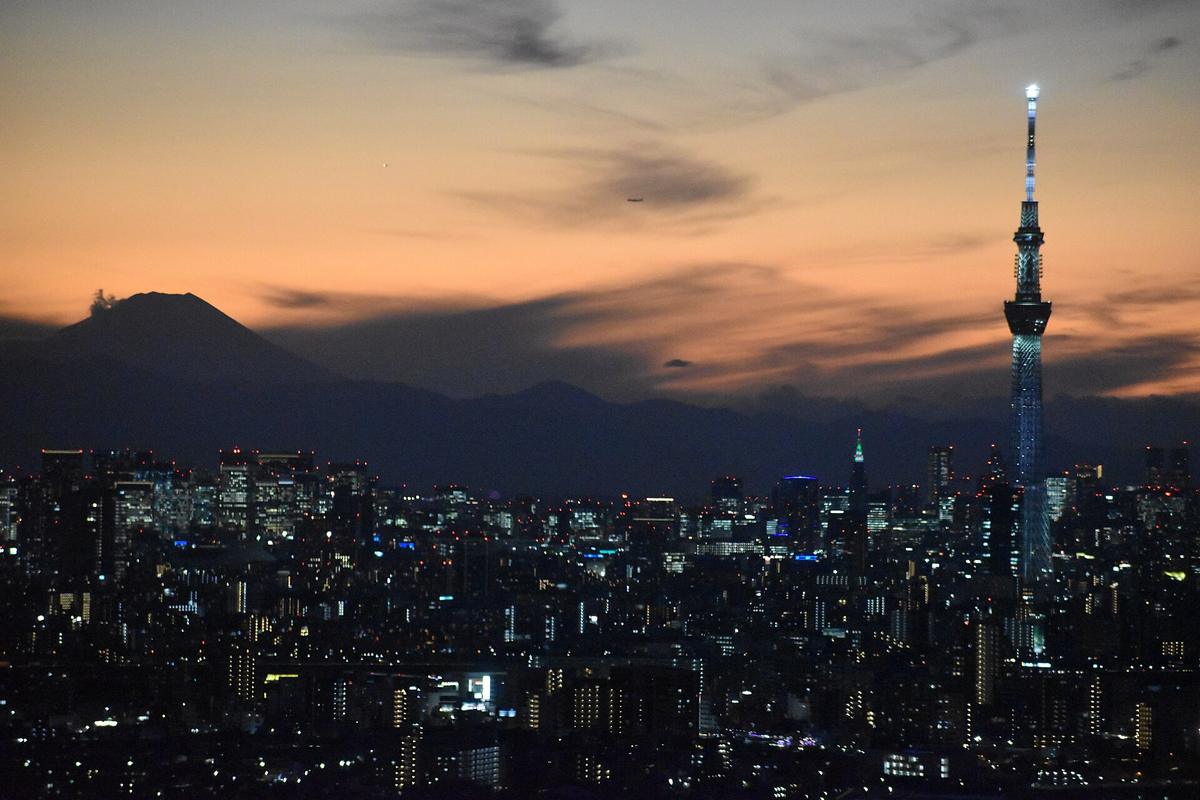

A Five-Day Tokyo Plan That Groups Neighbourhoods Sensibly
The most common mistake first time visitors make is trying to cover Shibuya, Shinjuku, Harajuku, Asakusa, Akihabara and Roppongi in two days. You can do it on a map. On the ground the station mazes, the vertical shopping complexes and the sheer walking distance between actual points of interest eat half your daylight. The fix is a five day itinerary that clusters districts by geography and pairs each major hub with an adjacent second wave neighbourhood. You spend a full morning or evening in one area then move to the next without a cross city commute.
Front Load The Landmarks, Then Go Local
This is the Tokyo 5 Day Classic Plus plan. It front loads the city's six essential sights across the first two days then back loads local scale districts that have zero major tourist landmarks: Yanaka, Nihonbashi, Nakano, Koenji, and an evening in Kagurazaka or Tsukishima. No day requires a train longer than 15 minutes between districts.
Day 1: Asakusa, Ueno, Akihabara
Start at Senso-ji, Tokyo's oldest temple. Arrive by 08:00 before the tour groups hit the Thunder Gate and Nakamise shopping street. The walk from Kaminarimon through the temple grounds to the main hall takes 20 minutes. Buy a Tokyo Metro 24 hour Ticket (adult ¥600, child ¥300 at the last published rate; the Tokyo Metro website publishes the current fare) at any ticket machine.
Ueno Park And Old Shitamachi
Head north to Ueno Park, 15 minutes on the Ginza Line from Asakusa. Ueno Park contains six museums and a large pond but the real draw is the pocket of old shitamachi atmosphere along the south edge. Skip the zoo line if it looks long. Walk south from Ueno toward Akihabara, 20 minutes on foot or one stop on the Hibiya Line. Akihabara Electric Town is five blocks of electronics shops, anime arcades, and maid cafes. Hit the main thoroughfare Chuo Dori on a Sunday when it becomes a pedestrian zone from 13:00 to 18:00. Close the day at a depachika basement food hall: Mitsukoshi Nihonbashi is a ten minute walk from Akihabara's south end. Buy the Tokyo Metro pass before your first ride; the machines at Asakusa have an English menu.
Day 2: Shibuya, Harajuku, Shinjuku
Buy another Tokyo Metro 24 hour Ticket. Start at Meiji Jingu, the forested Shinto shrine just north of Harajuku. Arrive by 08:30 and enter through the north gate near the torii. The gravel path to the main hall is 15 minutes. Exit through the south gate into Harajuku's Takeshita Street, which is not worth walking before 10:00 because most shops open late. Spend an hour there then walk south to Shibuya Scramble Crossing. The best overhead view is from the Magnet building's rooftop terrace, free and open from 11:00. Budget 20 minutes for the crossing itself.
Gardens Over Skyscrapers
Walk west toward Shinjuku, 20 minutes on the Yamanote Line or a 30 minute walk through the backstreets of Sendagaya. Shinjuku Gyoen, a three style national garden, is a better afternoon stop than the skyscraper observation decks unless you have a specific bar in Golden Gai for the evening. Enter the park through the Shinjuku Gate, pay ¥500, and walk the loop around the Japanese landscape garden. Exit before 16:00 if you plan to see Golden Gai micro bars after dark. Golden Gai has over 200 bars, most with six seats. Many have cover charges of ¥500 to ¥1000 and photo rules that vary: ask before you raise your phone. If a bar is full try the one upstairs. Your fallback for dinner is the depachika at Isetan Shinjuku, which stays open until 20:00; buy a selection and eat in Shinjuku Gyoen if it is still light.
Day 3: Yanaka and Nihonbashi
Day 3 has zero major tourist landmarks. Buy a Tokyo Metro 24 hour Ticket. Start at Nippori on the JR Yamanote Line. Exit on the north side and walk five minutes to Yanaka Ginza Shotengai, a covered shopping street. The wider Yanaka Nezu Sendagi area contains over 70 temples. Do not try to visit all of them. Pick a route south from Yanaka Ginza along the main alley and turn left at any narrow lane that looks quiet. Most temples are unlocked in the morning. The area is residential and flat; you can wander for two hours without retracing steps.
The Zero Point Of Japan's Highways
Take the Yamanote Line from Nippori to Kanda, then the Ginza Line one stop to Mitsukoshimae for Nihonbashi. The Nihonbashi Bridge, current stone structure from 1911, is a five minute walk. The bronze statues at each corner mark the zero point for Japan's highway network. Mitsukoshi Nihonbashi Main Store, founded 1673 with the current building from 1935, is worth 30 minutes for the architecture and the basement food hall. Skip the department store if you are not shopping. For dinner, Nihonbashi has several high end tempura omakase counters; check Google Maps for reservation availability the morning of. If they are full, the area around Kanda has standing soba shops that do not take reservations.
Day 4: Nakano and Koenji
Day 4 shifts to subculture and youth fashion. No Tokyo Metro pass needed today, pay ¥150 one way by IC card from Shinjuku to Nakano on the JR Chuo Line. Nakano's north exit leads directly into Nakano Broadway, a five floor shopping complex that opened in 1966. The second and third floors are packed with stalls selling vintage anime figures, model kits, collectible watches, and second hand electronics. Budget 90 minutes.
Vintage Shops And Live Houses
Take the JR Chuo Line one stop west from Nakano to Koenji. Koenji Junjo Shotengai is a covered shopping arcade that runs north south. The side streets off the arcade hold over 100 vintage clothing shops; the count changes monthly and the Koenji shopping association publishes a map. The area is also the centre of Tokyo's independent live music scene. For lunch, the arcade has multiple curry shops that serve a bowl with rice for ¥800 to ¥1,200. Return to Shinjuku in the evening.
Swap For A Day Trip
If you prefer a quieter day, swap Day 4 for a day trip to Kamakura (1 hour from Tokyo on the JR Yokosuka Line, ¥940 one way), Nikko (2 hours from Asakusa on the Tobu Limited Express, ¥2,800 one way), Hakone (85 minutes from Shinjuku on the Odakyu Romancecar, ¥2,470 one way), or Kawagoe (30 minutes from Ikebukuro on the Tobu Tojo Line, ¥500 one way). Day 4 is the best candidate for replacement because the districts are the most niche in the itinerary.
.jpg)
Day 5: Kagurazaka or Tsukishima Evening
Day 5 has no daytime sightseeing component. You start at 17:00. Pick one district.
Kagurazaka: Cobblestones And French Bistros
Take the Tokyo Metro Tozai Line to Iidabashi. Exit via the west gate and walk up Kagurazaka dori, the sloping main street. The cobblestone alleys off it hold over 50 French bistros; the Kagurazaka merchants association tracks the count. Arrive before 18:00 for the best walk in light. Most restaurants open at 17:00 or 18:00. If you did not reserve ahead, walk the alleys and look for ones with empty tables on the ground floor. If none are available, the area also has curry shops and izakaya that do not take reservations.
Tsukishima: Monjayaki On The Griddle
Take the Tokyo Metro Yurakucho Line to Tsukishima. Monja Street (Nishinaka dori) has over 80 monjayaki restaurants. Monjayaki is Tokyo's version of okonomiyaki: a runny batter fried on a griddle at your table. Dinner peak is 18:00 to 20:00. Walk the street and pick a place with a short queue. Avoid the restaurant with touts outside; it charges a cover fee. Either district works with a Tokyo Metro 24 hour Ticket (¥600) or a Toei Bus 1 Day Pass (¥500; the Toei website publishes the current rate). The failure case is arriving at 20:30 and finding kitchens closed: convenience store egg salad sandwich and onigiri is the deliberate late night ritual, not a compromise.
Planning Numbers
- Minimum Days: 5 full days. Anything fewer means you commute between checklists without feeling any district's rhythm.
- Total Districts Covered: 9: Asakusa, Ueno, Akihabara, Shibuya, Harajuku, Shinjuku, Yanaka, Nihonbashi, Nakano, Koenji, plus one evening in Kagurazaka or Tsukishima.
- Classic Sights Days 1 2: 6: Senso ji, Ueno Park, Akihabara Electric Town, Meiji Jingu, Shibuya Scramble, Shinjuku Gyoen.
- Classic Sights Days 3 5: 0. These days are for second wave neighbourhoods.
- Peak Seasons: Late March to early April for cherry blossoms; late November for autumn foliage. Both bring packed parks and premium hotel rates.
What Trips People Up
Tokyo is not a single coherent centre. It is quiet orderly neighbourhoods stitched together by relentless rail commutes. New arrivals find the sheer scale and the lack of street names harder than expected. Stations are multi company hubs and exiting through the wrong gate invalidates your transfer ticket, forcing a fare recalculation at a staffed window. Keep your eyes on the exit signs and do not leave the gate area until you have confirmed the gate number on Google Maps. The single thing that most often goes wrong is buying the wrong ticket or exiting the wrong gate, then spending 10 minutes at a staffed window while a train departs without you.
Read next
-
 Tokyo Hotels by Type and Budget from Capsules to Luxury
Tokyo hotels organised by type and price band, from efficient capsule pods to full-service luxury towers, to help you book the right room.
Tokyo Hotels by Type and Budget from Capsules to Luxury
Tokyo hotels organised by type and price band, from efficient capsule pods to full-service luxury towers, to help you book the right room.
-
 Where to Stay in Tokyo by District and Travel Style
A comparison of Tokyo's major districts to help you choose the right base for your travel style, whether you want calm or chaos.
Where to Stay in Tokyo by District and Travel Style
A comparison of Tokyo's major districts to help you choose the right base for your travel style, whether you want calm or chaos.
-
 Narita or Haneda for Tokyo and What That Airport Choice Costs You
Narita or Haneda for Tokyo: compare door-to-district time, transfer cost, and what the wrong airport choice eats from your trip.
Narita or Haneda for Tokyo and What That Airport Choice Costs You
Narita or Haneda for Tokyo: compare door-to-district time, transfer cost, and what the wrong airport choice eats from your trip.
-
 Things to Do in Tokyo That Are Worth Your Limited Days
A curated list of Tokyo's highest-impact sights and experiences, from immersive art to quiet backstreets, to help you prioritise your days.
Things to Do in Tokyo That Are Worth Your Limited Days
A curated list of Tokyo's highest-impact sights and experiences, from immersive art to quiet backstreets, to help you prioritise your days.
-
 Best Time to Visit Tokyo Month by Month Tradeoffs
A month-by-month guide to visiting Tokyo, laying out the trade-off between weather, crowds, price, and what's actually open.
Best Time to Visit Tokyo Month by Month Tradeoffs
A month-by-month guide to visiting Tokyo, laying out the trade-off between weather, crowds, price, and what's actually open.
-
 Getting Around Tokyo by Train Airport Transfers and IC Cards
A practical guide to Tokyo's rail network, covering airport transfers, IC cards, and how to avoid the station navigation mistakes that eat your day.
Getting Around Tokyo by Train Airport Transfers and IC Cards
A practical guide to Tokyo's rail network, covering airport transfers, IC cards, and how to avoid the station navigation mistakes that eat your day.
-
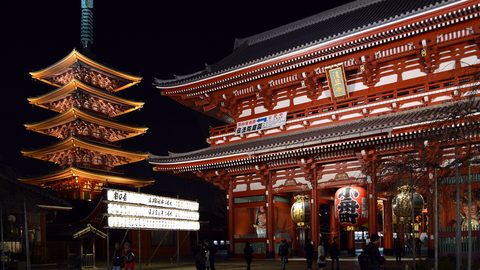 Senso-ji
 is free and never closes, but the experience at 6am with empty Nakamise stalls is nothing like the 11am crush under Kaminarimon. Here is when to go and what you get at each hour.
Senso-ji
Senso-ji is free and never closes, but the experience at 6am with empty Nakamise stalls is nothing like the 11am crush under Kaminarimon. Here is when to go and what you get at each hour.
-
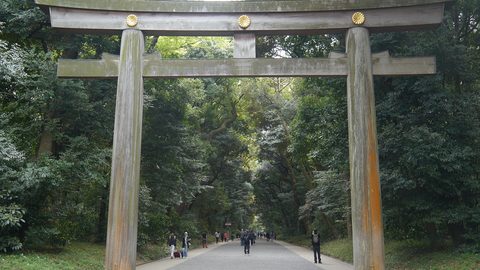 Meiji Jingu
The Meiji Jingu visit changes completely depending on which torii gate you enter. One drops you from Harajuku noise into sudden forest, the other builds quiet slowly from Yoyogi.
Meiji Jingu
The Meiji Jingu visit changes completely depending on which torii gate you enter. One drops you from Harajuku noise into sudden forest, the other builds quiet slowly from Yoyogi.
-
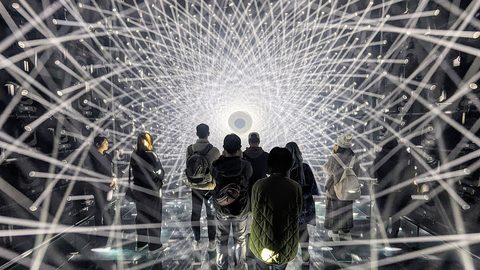 teamLab
 Borderless and Planets are two different Tokyo venues with separate booking systems. Borderless tickets at Azabudai Hills sell in timed slots and the maze has no fixed route.
teamLab
teamLab Borderless and Planets are two different Tokyo venues with separate booking systems. Borderless tickets at Azabudai Hills sell in timed slots and the maze has no fixed route.