Inside Nakano Broadway, Tokyo's Real Otaku Treasure Hunt
Nakano Broadway is Tokyo's indoor maze of vintage anime cels, Showa-era toys, and specialist Mandarake shops, offering a focused treasure hunt that outshines Akihabara's main strips.
- Flag
-
- ISO code
- JP
- Currency
- JPY
- Timezone
- Asia/Tokyo
Nakano Broadway Doesn’t Care About Hype
You have one free afternoon in Tokyo and two competing urges: find something rare and weird, or dodge crowds and heat. In Akihabara, you trade the second for the first. In Nakano Broadway, you get both.
This is the indoor, air conditioned, collector focused antidote to Akihabara's sprawling main streets and maid cafe lined sidewalks. One stop from Shinjuku on the JR Chuo Line Rapid service, four minutes, and you are in a different game entirely. Akihabara owns new releases, mainstream anime chain stores, and electronics. Nakano Broadway owns the back catalogue, the Showa era leftovers, and the stuff so niche even the Mandarake floor map needs explaining.
If your shopping list starts with a keyframe cel from a 1980s OVA you half remember, a sofubi kaiju figure with the original box, or a complete run of a manga that went out of print before you were born, skip Akihabara. Go to Nakano.

The Mandarake Ecosystem, Not a Mall
How the Building Works
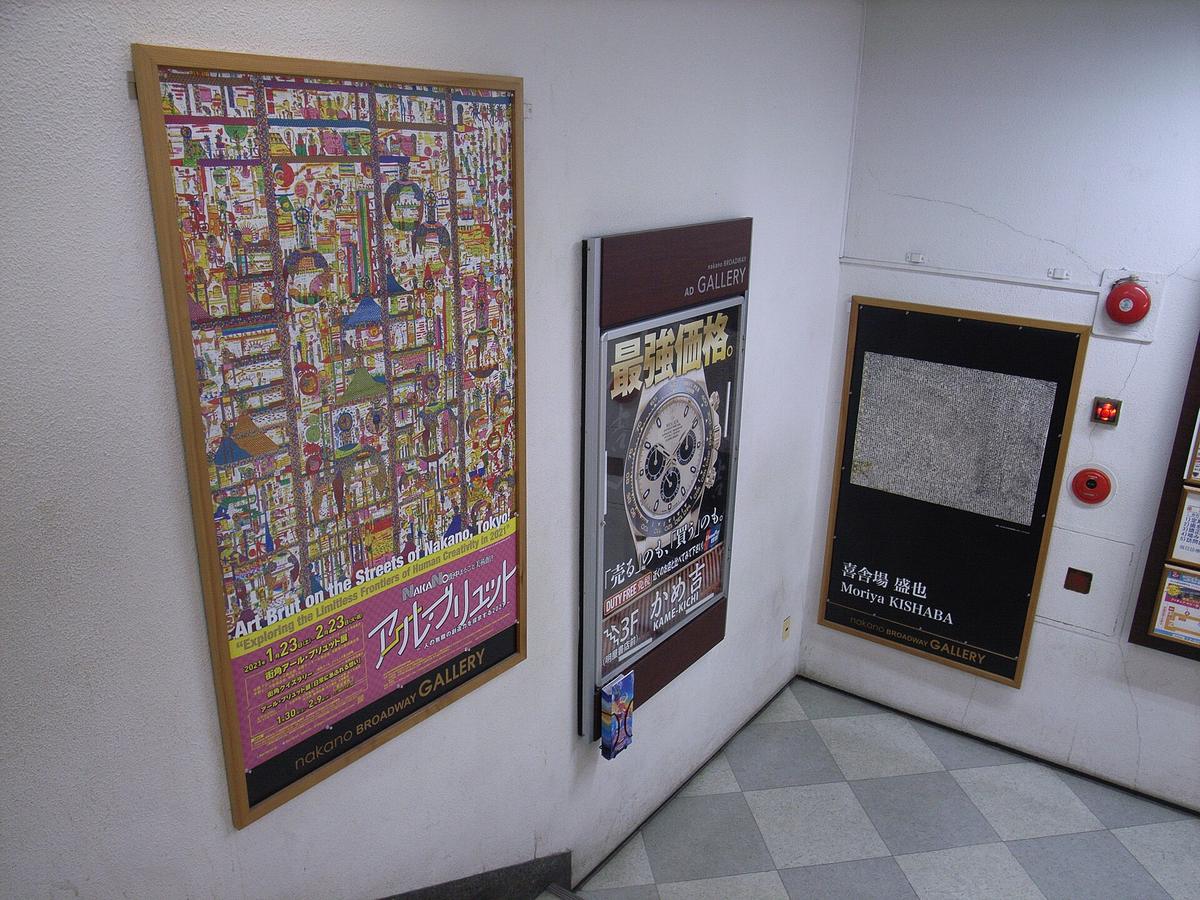
Nakano Broadway opened in 1966. It is not a mall in the modern sense. It is a strata title building, individually owned shop units, roughly 250 across five above ground floors and a basement. No single retailer dominates except one: Mandarake operates more than thirty separate branches inside this single building, the largest concentration of its shops anywhere on the planet. Each branch has a specialty. You do not browse a store. You traverse a taxonomy.
Start on the basement floor, B1F. Mandarake Deep sits here, discount manga and bargain bins. Pay your dues digging through the lower shelves. Then work up. The main shop on 2F handles general used manga, doujinshi, and production cels. But the real finds live in the specialty branches. Special 1 on 1F holds vintage toys, sofubi, and kaiju figures. Special 5 on 2F stocks cels, production art, genga, and douga. Special 8 on 4F has vintage American toys and comics. Special 9 on 4F carries model kits and garage kits. Special 10 on 4F covers trading cards. There are branches for boys' love, for tokusatsu hero goods, for sci fi, for cosplay items, for capsule toys at Mandarake UFO on 3F. Each shop is small, 10 to 30 square metres, which means you get close to the inventory. You sift. You ask to open a glass case. You negotiate.
What You Pay and Why
Vintage anime cels range from ¥3,000 for an in between frame nobody remembers to ¥500,000 for a keyframe from a series with a cult following. Vintage figures start around ¥500 and climb past ¥200,000 for limited editions with unopened boxes. Vintage watches, concentrated in specialist shops like Jack Road, Betty Road, and Fire Kids plus several independent dealers on 3F, run from ¥10,000 into the million yen range depending on brand, model, and mechanical condition.
Prices are not fixed the way Akihabara chain store prices are fixed. You can negotiate, particularly on higher value items. But the real advantage is curation. Every piece in those glass cases has been assessed by a Mandarake buyer. The grading is honest. The condition description is accurate. You are not gambling on a blind auction listing.
Akihabara Shifted, Nakano Held
The Great Inventory Migration
Between 2005 and 2015, Akihabara transformed. The second hand collector hub that built its reputation became a mainstream destination for new electronics, video game arcades, themed cafes, and chain retailers like Animate and Yodobashi Camera. Akihabara still has second hand shops, but they sit in the side streets, competing for foot traffic against nine floor electronics palaces and photo booths. The turnover is high. The depth is shallow.
Nakano Broadway absorbed the stock that Akihabara shed. Lower rents, an older landlord structure that resisted redevelopment, and the established collector footfall from Mandarake, which opened its first branch here in 1980, created a gravity well for vintage inventory. Dealers who could not afford rising rents in Akihabara relocated here. Private collectors who wanted to sell quietly came here. The result is a dense concentration of independent booths, each run by a specialist who knows exactly what they have and why it matters.
Why You Make the Trip
You do not go to Nakano Broadway for the latest figure release. You go because you want the figure that sold out in 1997 and never got a reissue. You go because you want a cel of a character who only appeared in episode twelve of a show that aired at 2 AM. The search itself is the point. Akihabara hands you what is popular now. Nakano makes you work for what you want, and the work is the reward.

How to Work Nakano Broadway in One Afternoon
The Approach
Arrive at Nakano Station via the JR Chuo Line. Exit from the north exit. You land directly into Sun Mall, a covered glass vaulted arcade that runs north from the station to the Nakano Broadway entrance. Sun Mall itself has shops, but do not get distracted. Walk the length of the arcade, enter Nakano Broadway, and do not come back out until you have done all five above ground floors.
The Route: Top Down
Start at the top floor, 4F, and work down. This goes against instinct but it works. 4F has Mandarake Special 8, 9, and 10 plus Mandarake Anime and Mandarake World. These branches see less foot traffic early in the day. You get first pick of the glass cases before the afternoon crowd arrives. Then descend to 3F for Mandarake Special 6, 7, Special 4, Kokura, and Galaxy. Then 2F for the main shop and Special 2, 5, and Henya. Then 1F for Special 1 and 3. End on B1F at Mandarake Deep for the discount bins and the Seiyu supermarket, which relocated within the basement during the 2023 renovation. By the time you hit the bargain floor, you know what you missed on the upper floors. You also know whether it is worth circling back.
Timing, Cash, and Kit
Most shops open at noon and close at 20:00. Many close on Wednesdays, or operate irregular Wednesday hours. Plan your visit for Tuesday or Thursday through Sunday. Arrive at 11:30, browse Sun Mall so you are waiting outside the Broadway entrance when the shutters go up at noon. That timing saves you from the crush of the 14:00 rush and gives you a solid six hours before the 20:00 close.
Bring cash. Many independent booths do not take cards, and while Mandarake branches accept credit cards on purchases above a threshold, the smaller dealers on 3F and 4F operate on cash only margins. The ATMs in Nakano Station accept foreign cards if you use the 7 Eleven machines. Withdraw before you cross into Sun Mall.
Carry a small bag. The glass cases are tight, the aisles are narrow, and swinging a backpack into a display of vintage sofubi is the fastest way to end your trip early. Leave the backpack at your hotel or use a coin locker in the station basement.
Other areas in Tokyo
- Akihabara
- Asakusa
- Ebisu
- Futako-tamagawa
- Ginza
- Harajuku
- Ikebukuro
- Jimbocho
- Jiyugaoka
- Kagurazaka
- Kichijoji
- Kiyosumi-Shirakawa
- Koenji
- Kuramae
- Marunouchi
- Nakameguro
- Nihonbashi
- Ningyocho
- Odaiba
- Omotesando and Aoyama
- Roppongi
- Ryogoku
- Sangenjaya
- Shibamata
- Shibuya
- Shimokitazawa
- Shin-Okubo
- Shinagawa
- Shinjuku
- Sugamo
- Takadanobaba
- Todoroki
- Tsukiji
- Tsukishima
- Ueno
- Yanaka
- Yurakucho and Shinbashi
Common Questions
Is Nakano Broadway better than Akihabara for anime shopping?
Depends on what you want. Akihabara is better for new releases, mainstream merchandise, and electronics. Nakano Broadway is better for vintage items, rare back catalogue finds, and niche collector goods. If you want the latest figure, go to Akihabara. If you want a cel from 1985, go to Nakano.
How long should I spend in Nakano Broadway?
Budget three to five hours for a thorough sweep. A focused visit targeting two or three Mandarake branches can take two hours. A full building tour including Sun Mall shops requires at least four hours. Plan for a late lunch break in one of the Sun Mall restaurants.
Can I negotiate prices at Nakano Broadway?
Yes, on higher value items, particularly at independent dealers on 3F and 4F. Mandarake branches have fixed prices but will discount items that have been in stock for several months. Ask politely in Japanese or with a written number. Aggressive haggling gets you refused.
What are Nakano Broadway's opening hours?
Most shops open 12:00 to 20:00. Wednesday is the common closure day, though individual shops set their own schedules. Sun Mall shops open earlier, around 10:00. Arrive at noon for maximum choice. Do not arrive after 19:00; most dealers begin closing their shutters by 19:30.
Read next
-
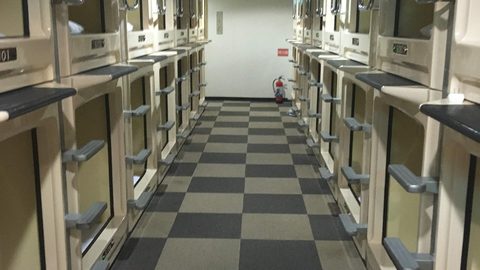 Tokyo Hotels by Type and Budget from Capsules to Luxury
Tokyo hotels organised by type and price band, from efficient capsule pods to full-service luxury towers, to help you book the right room.
Tokyo Hotels by Type and Budget from Capsules to Luxury
Tokyo hotels organised by type and price band, from efficient capsule pods to full-service luxury towers, to help you book the right room.
-
 Where to Stay in Tokyo by District and Travel Style
A comparison of Tokyo's major districts to help you choose the right base for your travel style, whether you want calm or chaos.
Where to Stay in Tokyo by District and Travel Style
A comparison of Tokyo's major districts to help you choose the right base for your travel style, whether you want calm or chaos.
-
 Narita or Haneda for Tokyo and What That Airport Choice Costs You
Narita or Haneda for Tokyo: compare door-to-district time, transfer cost, and what the wrong airport choice eats from your trip.
Narita or Haneda for Tokyo and What That Airport Choice Costs You
Narita or Haneda for Tokyo: compare door-to-district time, transfer cost, and what the wrong airport choice eats from your trip.
-
 Things to Do in Tokyo That Are Worth Your Limited Days
A curated list of Tokyo's highest-impact sights and experiences, from immersive art to quiet backstreets, to help you prioritise your days.
Things to Do in Tokyo That Are Worth Your Limited Days
A curated list of Tokyo's highest-impact sights and experiences, from immersive art to quiet backstreets, to help you prioritise your days.
-
 Best Time to Visit Tokyo Month by Month Tradeoffs
A month-by-month guide to visiting Tokyo, laying out the trade-off between weather, crowds, price, and what's actually open.
Best Time to Visit Tokyo Month by Month Tradeoffs
A month-by-month guide to visiting Tokyo, laying out the trade-off between weather, crowds, price, and what's actually open.
-
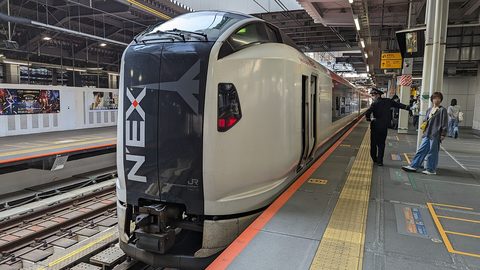 Getting Around Tokyo by Train Airport Transfers and IC Cards
A practical guide to Tokyo's rail network, covering airport transfers, IC cards, and how to avoid the station navigation mistakes that eat your day.
Getting Around Tokyo by Train Airport Transfers and IC Cards
A practical guide to Tokyo's rail network, covering airport transfers, IC cards, and how to avoid the station navigation mistakes that eat your day.
-
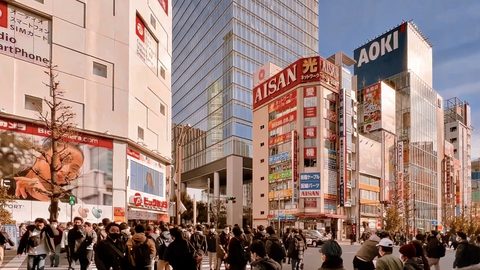 Akihabara
 Tokyo guide: electronics, anime, and arcades stacked floor by floor, from Radio Kaikan to the maid cafe touts.
Akihabara
Akihabara Tokyo guide: electronics, anime, and arcades stacked floor by floor, from Radio Kaikan to the maid cafe touts.
-
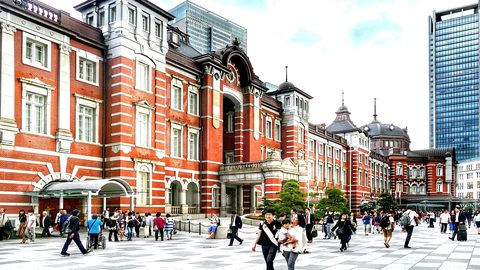 Marunouchi
Staying in Marunouchi puts you steps from Tokyo Station's Shinkansen platforms and Narita Express, trading nightlife buzz for unmatched rail connectivity and wide, quiet weekend boulevards.
Marunouchi
Staying in Marunouchi puts you steps from Tokyo Station's Shinkansen platforms and Narita Express, trading nightlife buzz for unmatched rail connectivity and wide, quiet weekend boulevards.
-
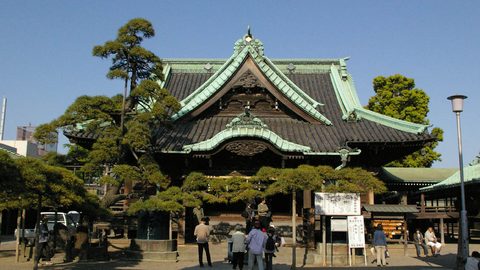 Shibamata
 preserves a 1950s Tokyo on its temple approach street, forever tied to the Tora-san film series and best visited for unagi and old-school snacks.
Shibamata
Shibamata preserves a 1950s Tokyo on its temple approach street, forever tied to the Tora-san film series and best visited for unagi and old-school snacks.