What Tokyo Really Costs a Day and Where to Save
A realistic daily budget for Tokyo, including the specific neighbourhoods, meals, and attractions that cost far less than the city's reputation suggests.
_key_pickup_machine_in_convenience_store.jpg)
What Tokyo Really Costs a Day and Where to Save
You have heard Tokyo is ruinously expensive. It is not. The real daily cost for a budget traveller is ¥5,000 to ¥7,000. At the low end that covers a dorm bed, three meals from convenience stores or standing noodle shops, two short metro rides, and a day of free sights.
The trap is not the price of things. It is not knowing where the cheap things are and when they get cheaper. A konbini onigiri costs ¥120 to ¥180. A bento box is ¥450 to ¥700. A regular beef bowl at Yoshinoya, Matsuya or Sukiya runs ¥400 to ¥550. You can eat well all day for ¥1,200 to ¥1,800 without touching a sit-down restaurant. Standing soba or udon at chains like Fuji Soba or Yudetaro costs ¥350 to ¥550 a bowl and takes five minutes.
The Evening Markdown Window
The serious savings come at evening markdown time. Department store basement food halls, called depachika, begin discounting prepared food around 19:00. Isetan Shinjuku and Mitsukoshi Nihonbashi are two of the largest. Discounts range from 20% to 50% off. That is a sushi platter or a full dinner set for the price of a convenience store meal, and the quality is higher.
Free Sights That Actually Feel Like Sights
The free observation decks in Tokyo are better than several paid ones. The Tokyo Metropolitan Government Building in Shinjuku has two decks, both free. The South deck is open 08:30 to 22:00, the North deck 09:30 to 23:00. Check the building website for the exact rotation, because one deck closes periodically for maintenance. The Bunkyo Civic Center observation lounge is free and open 09:00 to 20:30, with a view that includes Skytree at close range. The Asakusa Culture Tourist Information Center rooftop is free and open 09:00 to 22:00, rooftop closing at 20:00 in winter. Confirm the winter schedule with the centre directly as dates shift yearly.
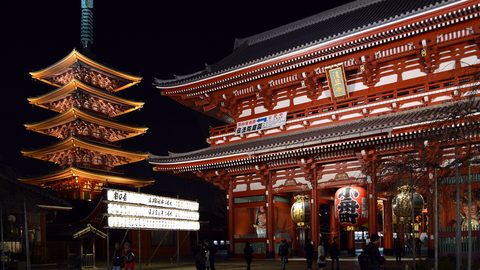
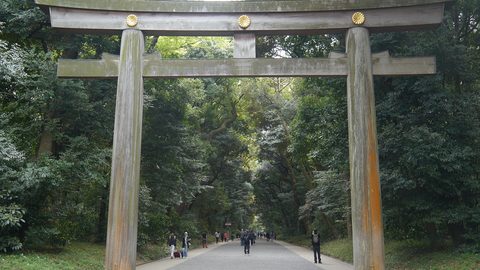
The Imperial Palace East Gardens are free and closed on Monday and Friday. The stone foundations of the old castle and the manicured lawns make for a proper walk, not a token stop. Meiji Jingu grounds are free. Senso-ji temple grounds in Asakusa are free. Ueno Park is free. Yoyogi Park is free. Tsukiji Outer Market costs nothing to walk and browse. None of these feel like a consolation for skipping the paid list. They are the paid list in many cities.
When The Famous Thing Is Not Worth It
Shibuya Sky at Shibuya Scramble Square costs ¥2,000 to ¥2,500. The rate is set by the operator and changes annually. The view from the free Metropolitan Government Building is higher and, on a clear day, equally good. Tokyo Skytree's Tembo Deck costs ¥2,100 to ¥2,300, also subject to annual revision by management. Unless you specifically want the Skytree silhouette in your photos, skip it and use the Bunkyo Civic Center lounge instead. Tokyo Tower Main Deck costs ¥1,200, which is reasonable if you want that specific 1950s silhouette. But it is not the budget option.
Where the Cheap Districts Are and Why
Ueno and Koenji are the budget districts. Ueno has the park with free museums on some days, a long shopping street under the train tracks where food is cheaper than anywhere in central Tokyo, and a hostel density that keeps dorm beds at ¥2,500 to ¥4,000. Koenji is further west on the JR Chuo Line, known for vintage clothing shops, live music venues, and curry shops where a full meal stays under ¥800. Neither district has the neon polish of Shinjuku or the brand weight of Ginza. That is the point. You are trading gloss for a lower base cost on everything from coffee to accommodation.
Ginza is the counterexample. It has wide boulevards, flagship luxury stores, and a weekend pedestrian zone. A business hotel single room near Ginza costs ¥7,000 to ¥12,000. The same room class near Ueno or Koenji sits at the lower end of that range. Ginza's depachika is worth the trip for the markdowns, but sleeping there costs a premium you do not need to pay.
Shimokitazawa splits the difference. It has the vintage and curry energy of Koenji but is closer to Shibuya, so dorm beds trend toward ¥3,500 to ¥4,000. Still viable, but not the cheapest option.
Transport Strategy That Saves You Money Every Day
A single Suica or PASMO stored fare card on a phone wallet is the baseline. Base fare per ride is ¥180 to ¥210 depending on distance. Or buy a day pass. The Tokyo Metro 24 hour ticket costs ¥600. You break even after three rides, since the base fare is already ¥180 to ¥210. The Toei Subway 24 hour ticket costs ¥500. The combined Tokyo Metro and Toei Common 24 hour ticket costs ¥900 and breaks even after five rides. The JR Tokunai Pass covers JR East lines within central Tokyo for one day at ¥760 and breaks even on five JR rides.
The failure case is buying a ticket that does not work on the line you board. The Metro pass is not valid on JR lines. The JR pass is not valid on Metro or Toei. If you exit through the wrong gate, the system invalidates your transfer ticket and you pay the full fare at a staffed window. Keep your pass type on the lock screen of your phone until you are used to which operator runs the line you are on.
Skip the Tokyo Free Kippu at ¥1,600 unless you are making more than eight combined rides across Metro, Toei, JR, and buses. At that volume you are overplanning your day.
Accommodation That Fits the Budget
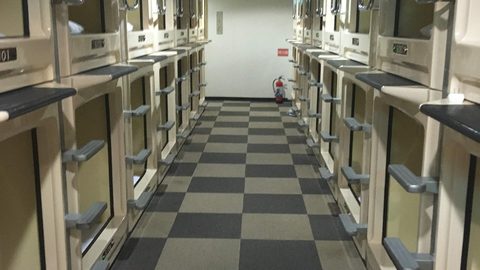
A dorm bed in a hostel costs ¥2,500 to ¥4,000. A basic capsule hotel runs ¥3,000 to ¥5,000. Neither is a shoestring backpacker price, but both are cheaper than any European capital at the same standard. A business hotel single room, such as Toyoko Inn or APA Hotel, costs ¥7,000 to ¥12,000. The variation depends on distance from the station, season, and day of the week. A Tuesday night in January near Ueno station will hit ¥7,000. A Friday night in cherry blossom season near Shinjuku station will hit ¥12,000.
Book four to six weeks ahead for off peak periods. For cherry blossom season, book three to four months ahead. The cheapest business hotels sell out first. Last minute bookings in peak season push the price above ¥15,000, at which point you should have stayed in a hostel and spent the difference on food.

- Low End Daily Budget: ¥5,000, ¥7,000
- Dorm Bed: ¥2,500, ¥4,000
- Three Budget Meals: ¥1,200, ¥1,800
- Two Short Metro Rides: ¥400, ¥500
- Free Sights and Walking: ¥0
- Konbini Onigiri: ¥120, ¥180
- Chain Gyudon (Regular): ¥400, ¥550
- Depachika Markdown Start: 19:00
- Depachika Discount Range: 20%, 50% off
The Rituals That Keep You Fed and Solvent
The konbini ritual is not a compromise. It is a deliberate part of Tokyo life. The egg salad sandwich at ¥250 to ¥400 and the onigiri at ¥120 to ¥180 are not emergency rations. They are late night meals, train platform breakfasts, and park lunch components. The quality across 7 Eleven, FamilyMart, and Lawson is consistent and good.
How To Work The Depachika Markdown
The depachika ritual requires timing. Arrive at the basement floor of a department store 15 minutes before 19:00. Watch for staff placing stickers on boxes. The 20% sticker goes on first. The 50% sticker goes on about 30 minutes later for items that have not sold. Eat the food standing near the store entrance or take it back to your hostel. No one cares.
The Standing Noodle Counter
The standing noodle ritual is the fastest cheap meal in the city. Order from a ticket machine, hand the ticket to the cook, eat standing at a counter, and leave in under ten minutes. A bowl of soba or udon at Fuji Soba or Yudetaro costs ¥350 to ¥550. No tip. No waiting. No menu confusion.
Where Tokyo is Not Cheap and Why That Matters
Fresh fruit is expensive. A single apple costs ¥200 to ¥400. Specialty coffee costs ¥500 to ¥700 a cup. A pint of craft beer runs ¥900 to ¥1,400. These inflate a budget if you do not watch them. The solution is simple. Skip the apple. Drink the free tea at your hostel. Buy a can of beer at the konbini for about ¥250 instead of the craft bar pint. You are paying for the experience in the craft bar, not the alcohol, and on a budget that experience is one drink not four.
The other not cheap category is last minute decisions. A business hotel room booked the night before in peak season. A taxi at midnight because the trains stopped. A Shinkansen ticket bought on the day for a spontaneous day trip. Budgeting is not just about the low prices of the things you choose. It is about not needing the expensive thing when the cheap option fails.
The One Thing That Trips Up Every First Timer
Station navigation costs more time and money than anything else. Stations are multi company hubs. Exiting through the wrong gate invalidates a transfer ticket and forces a fare recalculation at a staffed window. Google Maps works well on street level but struggles with vertical navigation in multi floor station malls. The Japan Official Travel App has station floor maps that work offline. Download it before you arrive.
Avoid the mistake of trying to cover Shibuya, Shinjuku, Harajuku, Asakusa, Akihabara, and Roppongi in two days. The trains run fast, but station navigation and district depth eat half the day. Pick two areas maximum per day. Walk the backstreets. Sit in a park. Eat standing at a counter. That is where the budget holds. Not in the race between ticket gates.
Read next
-
 Tokyo Hotels by Type and Budget from Capsules to Luxury
Tokyo hotels organised by type and price band, from efficient capsule pods to full-service luxury towers, to help you book the right room.
Tokyo Hotels by Type and Budget from Capsules to Luxury
Tokyo hotels organised by type and price band, from efficient capsule pods to full-service luxury towers, to help you book the right room.
-
 Where to Stay in Tokyo by District and Travel Style
A comparison of Tokyo's major districts to help you choose the right base for your travel style, whether you want calm or chaos.
Where to Stay in Tokyo by District and Travel Style
A comparison of Tokyo's major districts to help you choose the right base for your travel style, whether you want calm or chaos.
-
 Narita or Haneda for Tokyo and What That Airport Choice Costs You
Narita or Haneda for Tokyo: compare door-to-district time, transfer cost, and what the wrong airport choice eats from your trip.
Narita or Haneda for Tokyo and What That Airport Choice Costs You
Narita or Haneda for Tokyo: compare door-to-district time, transfer cost, and what the wrong airport choice eats from your trip.
-
 Things to Do in Tokyo That Are Worth Your Limited Days
A curated list of Tokyo's highest-impact sights and experiences, from immersive art to quiet backstreets, to help you prioritise your days.
Things to Do in Tokyo That Are Worth Your Limited Days
A curated list of Tokyo's highest-impact sights and experiences, from immersive art to quiet backstreets, to help you prioritise your days.
-
 Best Time to Visit Tokyo Month by Month Tradeoffs
A month-by-month guide to visiting Tokyo, laying out the trade-off between weather, crowds, price, and what's actually open.
Best Time to Visit Tokyo Month by Month Tradeoffs
A month-by-month guide to visiting Tokyo, laying out the trade-off between weather, crowds, price, and what's actually open.
-
 Getting Around Tokyo by Train Airport Transfers and IC Cards
A practical guide to Tokyo's rail network, covering airport transfers, IC cards, and how to avoid the station navigation mistakes that eat your day.
Getting Around Tokyo by Train Airport Transfers and IC Cards
A practical guide to Tokyo's rail network, covering airport transfers, IC cards, and how to avoid the station navigation mistakes that eat your day.
-
 Senso-ji
 is free and never closes, but the experience at 6am with empty Nakamise stalls is nothing like the 11am crush under Kaminarimon. Here is when to go and what you get at each hour.
Senso-ji
Senso-ji is free and never closes, but the experience at 6am with empty Nakamise stalls is nothing like the 11am crush under Kaminarimon. Here is when to go and what you get at each hour.
-
 Meiji Jingu
The Meiji Jingu visit changes completely depending on which torii gate you enter. One drops you from Harajuku noise into sudden forest, the other builds quiet slowly from Yoyogi.
Meiji Jingu
The Meiji Jingu visit changes completely depending on which torii gate you enter. One drops you from Harajuku noise into sudden forest, the other builds quiet slowly from Yoyogi.
-
 teamLab
 Borderless and Planets are two different Tokyo venues with separate booking systems. Borderless tickets at Azabudai Hills sell in timed slots and the maze has no fixed route.
teamLab
teamLab Borderless and Planets are two different Tokyo venues with separate booking systems. Borderless tickets at Azabudai Hills sell in timed slots and the maze has no fixed route.