What Tokyo Is Like From December to February and Who Should Go Then
Tokyo winters mean cold, clear days, fewer tourists, and some of the year's best food. But the New Year shutdown and early sunsets demand planning.
What Tokyo is Like from December to February and Who Should Go Then
Tokyo in winter is the best season for a traveller who values clear skies and empty foregrounds over warm evenings and festival crowds. If your goal is to see Mount Fuji from an observation deck without haze, walk through Meiji Jingu without being elbowed, eat nabe hot pot every night without a reservation panic, and photograph the empty galleries of a major museum, book between early December and late February. The tradeoffs are real: dry air that cracks your lips, sunsets that start before 17:00, and a national shutdown from 29 December to 3 January that locks many independent restaurants and shops. But the illumination displays run for weeks. The winter sumo tournament lands in mid-January. Hatsumode at Meiji Jingu on 1 January is a cultural spectacle you cannot stage at any other time of year. The question is not whether Tokyo is good in winter. It is whether you are the traveller who will value what winter gives you more than you resent what it takes away.
Weather, Daylight, and What it Actually Feels Like
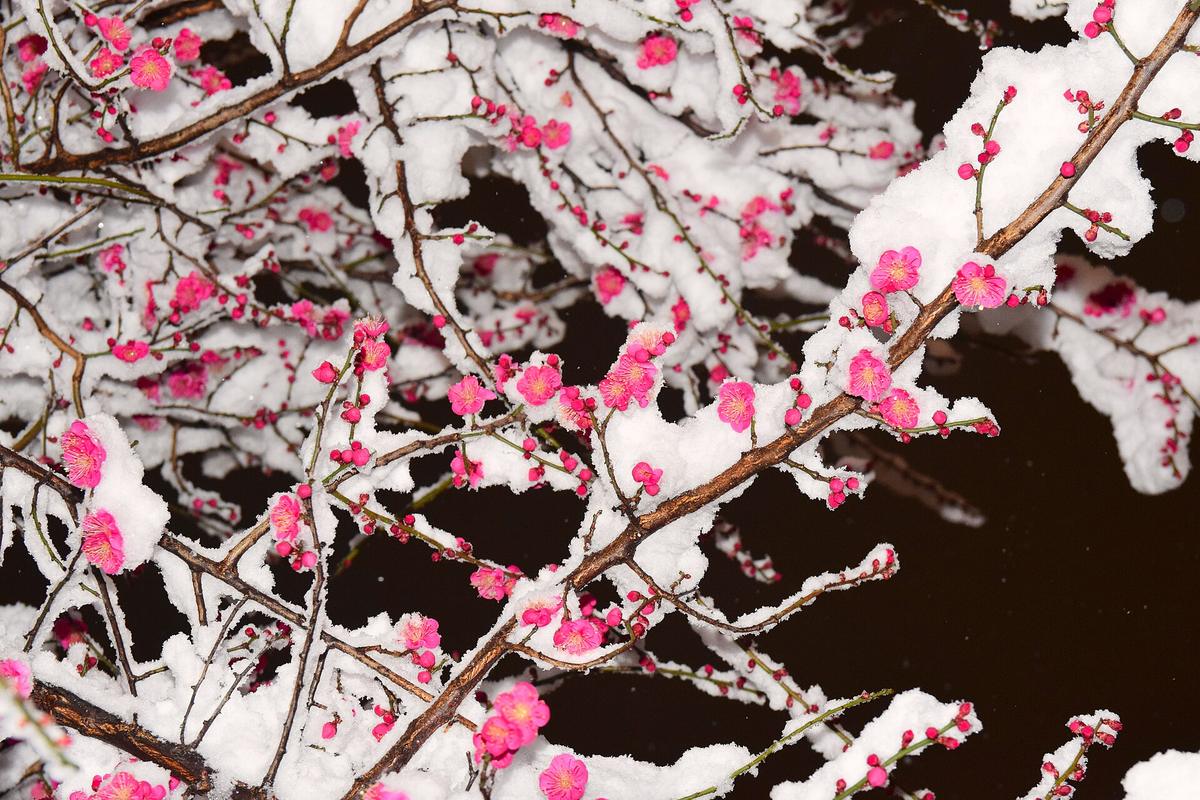
Expect cold, dry air and a sky that stays clear for days. The average high in midwinter is 9.9°C, the low 2.5°C. Early and late winter are similar: the first month averages 12.5°C high and 4.6°C low; the last month averages 10.9°C high and 3.0°C low. Snowfall is rare: the coldest month sees about 5 cm total, most of which melts by midday. You want a windproof coat, a scarf, gloves, and comfortable shoes that can handle a cold subway platform. Layering is standard here: a sweater under a coat, a heat-tech top under that.
Making the Most of Short Days
Daylight is short. On the winter solstice around 21 December, you get 9 hours 45 minutes of it. By late February, that stretches to about 11 hours 15 minutes. The low angle of the winter sun is a gift: it hits the glass facades of Shinjuku skyscrapers at an angle that makes them glow, and it cuts through the bare trees in Rikugien garden. But it also means you lose usable light by 16:30. Plan indoor activities for after 17:00. Make the morning hours count.
Your Best Chance of Seeing Mount Fuji
The other major weather advantage is Mount Fuji visibility. It peaks in midwinter at about 50% probability, drops to 45% in the last month and 40% in the first. Those are probabilities, not guarantees, but they are far better than the 10% to 20% odds you get during the humid summer months. If a clear Fuji view from the Tokyo Skytree or the Metropolitan Government Building is a priority, arrive in mid-January and check the forecast the night before. On a clear winter morning, the mountain appears enormous to the west, floating above the city skyline like a stage backdrop. On a humid day, it disappears entirely.
Winter Illuminations, Hatsumode, and the New Year Shutdown
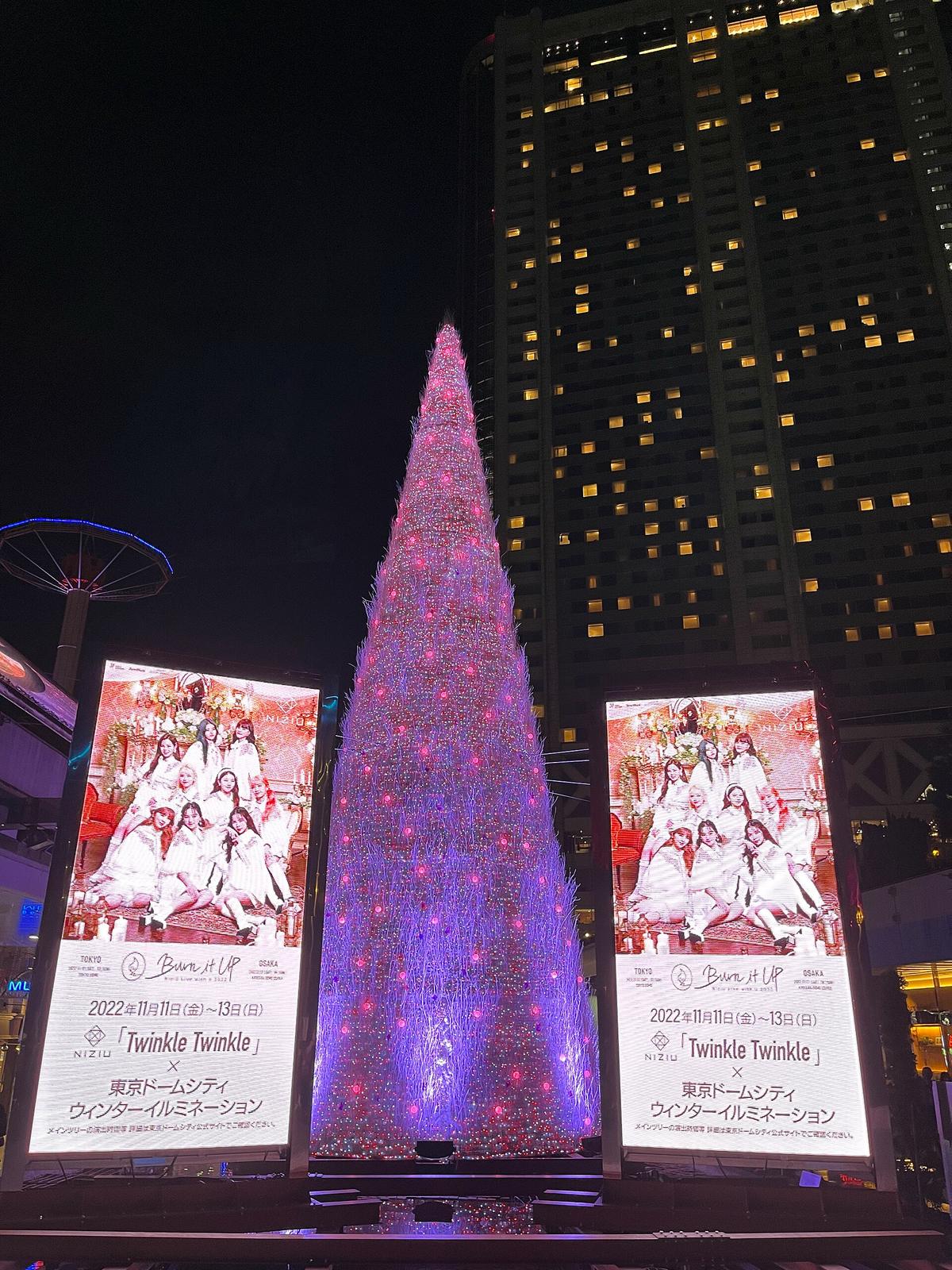
Winter illuminations are the main draw for first-timers who arrive before Christmas. Most venues start in early to mid-November and run until late in the final month or mid-February. The five major ones are Roppongi Hills Keyakizaka Street, Marunouchi Naka-dori, Shibuya Ao no Dokutsu, Yebisu Garden Place, and Tokyo Midtown. All run from roughly 17:00 to 23:00. None are worth a dedicated trip across town if you are short on time; pick the one closest to your evening dinner plan. Roppongi is the most dramatic, with the tree-lined avenue leading to Tokyo Tower lit in coordinated blue. Marunouchi is the most elegant: warm gold lights along the office district near Tokyo Station, and it pairs well with a walk through the Imperial Palace East Gardens earlier in the day.
Navigating the New Year Shutdown
The New Year period is more complicated. From 29 December to 3 January, many independent restaurants and shops close. Government offices are shut the same window. Banks and post offices close from 31 December to 3 January. If you arrive on 28 December, you have exactly one day to stock up on convenience store food and make dinner reservations for the next five days. The upside is hatsumode: the first shrine visit of the year. Meiji Jingu on 1 January draws queues that stretch for hours. It is an event in itself. The atmosphere is orderly, festive, and uniquely Japanese. You queue with families in kimono, buy fortunes, and drink sweet sake. Go early, before dawn, or accept the wait as part of the experience. The Imperial Palace also holds a New Year public greeting on 2 January, where the imperial family appears on a balcony. Both events are free. Both are crowded. Both are exactly the kind of thing you do only if you want to participate in a cultural ritual, not if you want a quiet museum visit.
Winter Sumo: The Hatsu Basho
The winter sumo tournament, Hatsu Basho, runs for about 15 days in mid-January at Ryogoku Kokugikan. Tickets sell out weeks in advance for the top-tier seats, but same-day tickets for the upper balcony are available at the venue. Arrive by 08:30 if you want a chance. The arena is reachable via the JR Sobu Line or the Toei Oedo Line. Even if you do not know sumo rules, the ritual is absorbing: the salt throwing, the stamping, the brief explosive bouts. Skip it if you are squeamish about large men in mawashi. Do not skip it if you want a winter-only experience that has no summer equivalent.
What to Eat and Where to Find it
Winter in Tokyo is nabe season. The hot pot appears everywhere: chain restaurants like Shabuzen, specialist places on Tsukishima for monjayaki, high-end kaiseki spots that offer a winter course, and department-store restaurant floors. Monjayaki is the Tokyo-specific version: a runny batter cooked on a griddle at your table, scraped up with a small spatula. Go to Monja Street on Tsukishima. Pick a shop with a queue of locals. Accept that you will smell like grilled batter for the rest of the night. It is worth it.
For non-hot-pot winter food, Tokyo-style abura soba works well: brothless noodles tossed in oil, vinegar, and chilli oil, served with an egg yolk on top. It is fast, cheap, and warming. Nakiryu and Konjiki Hototogisu are the Michelin-starred ramen shops; both require an advance reservation or a willingness to queue before opening. Skip the hot spots and any neighbourhood ramen shop with a ticket machine serves a serviceable hot bowl for under ¥1,000.
Depachika: The Basement Food Hall Strategy
Depachika basement food halls are a winter strategy. Isetan Shinjuku and Mitsukoshi Nihonbashi stock seasonal specials: oden (simmered fish cake and daikon), grilled eel, and elaborate bento boxes. Buy a box at 17:00 when the markdowns start. Take it back to your hotel room. Eat it with a convenience store beer. This is a legitimate Tokyo dinner, not a backup plan.
Convenience Store Rituals
Convenience stores matter more in winter because restaurants close earlier and the cold makes a quick hot meal appealing. The egg salad sandwich and onigiri are not emergency rations; they are deliberate and satisfying. FamilyMart has the best hot snacks. 7-Eleven has the best coffee. Lawson has the widest dessert selection. Carry your trash to the next konbini because public bins are nearly nonexistent.

.jpg)
How to Plan Your Days and Where to Stay
You need a minimum of five full days in Tokyo. Anything less and you spend more time navigating station mazes than experiencing districts. The common mistake is trying to cover Shibuya, Shinjuku, Harajuku, Asakusa, Akihabara, and Roppongi in two days. Pick a maximum of two areas per day. The trains run fast but station navigation and district depth eat time.
Where to Base Yourself
Choose accommodation by district based on your priorities. First-timers who want easy rail access should stay near Tokyo Station or Shinjuku: both are major transit hubs with direct airport connections via the Narita Express and Keisei Skyliner. Solo travellers who want nightlife should stay in Shinjuku near Golden Gai. Food-obsessed travellers should base themselves in Ginza for high-end restaurants or near Shibuya for the depachika and the scramble crossing. Budget-conscious visitors should look at Ueno, which has cheap hotels, a long shopping street, the park, and the museums.
Getting Around the City
Buy a rechargeable Suica or Pasmo IC card. Add it to your phone wallet to avoid paper tickets. The thing that trips up visitors: stations are multi-company hubs, and exiting through the wrong gate invalidates your transfer ticket, forcing a fare recalculation at a staffed window. Pay attention to the company name on your ticket (JR, Tokyo Metro, Toei) and follow the coloured signs. Download the Japan Official Travel App for station floor maps that work offline. Pocket WiFi rental is more reliable than eSIMs for consistent speed across underground sections.
Day Trips That Work in Winter
Kamakura is 1 hour from Tokyo via the JR Yokosuka Line. The giant Buddha statue is stone, the temples are sheltered, and the winter light softens the coastal haze. Nikko is 2 hours from Asakusa via Tobu Limited Express. The Toshogu shrine is ornate and mostly under cover, but the cedar forest walk can be cold. Kawaguchiko is 2 hours by highway bus from Shinjuku and offers the best Mount Fuji views if visibility is good. Yokohama is 30 minutes from Shibuya via Tokyu Toyoko Line and has the Cup Noodles Museum and a waterfront promenade. Kawagoe is 45 minutes from Ikebukuro via Tobu Tojo Line and preserves an Edo-era warehouse district with sweet potato treats. None require warm weather to be worth the trip. All are less crowded than in spring or autumn.
Who Winter Tokyo Suits and Who Should Skip it
This season is for solo explorers who thrive on anonymity, food-obsessed travellers planning trips around specific meals, pop-culture and design enthusiasts who want to spend hours in a single district, efficiency nerds who appreciate systems that work, and repeat visitors who have already done the big sights. Winter gives you room to breathe in spaces that are packed in spring: the Nezu Museum bamboo garden, the shop floor of the Ghibli Museum, the queue at Nakiryu.
Do not come in winter if you seek a compact, walkable old town. Do not come if you are on a shoestring backpacker budget and expect hostels and street food to be dirt cheap. Do not come if you find crowds and underground mazes anxiety-inducing rather than energising. For those travellers, Kyoto in spring is a better bet. For the traveller who values clarity over warmth, winter Tokyo is the superior choice.
Arrival and Getting Around
Narita Airport is 55 to 70 minutes from Ueno or Nippori via the Keisei Skyliner for about ¥2,570, or from Tokyo, Shibuya, or Shinjuku via the Narita Express for about ¥3,250. Haneda Airport is 25 to 40 minutes from Shinagawa or Asakusa via the Keikyu Line for about ¥330, or from Hamamatsucho via the Tokyo Monorail for about ¥520. Haneda is the better option if you have a choice: closer, cheaper, faster. Narita is fine if your flight lands there, but budget an extra 30 minutes and the higher cost.
Once you are in the city, the rail and subway network is dominant. A Suica or Pasmo IC card covers trains, buses, and most convenience store purchases. Add it to your phone wallet to skip the paper card. The most common mistake: exiting through the wrong gate at a station like Shibuya, where JR lines, Tokyo Metro, and Toei lines converge. If you buy a transfer ticket, read the company name printed on it. If you tap your IC card, the system handles the fare calculation automatically but can miscount zones if you exit through a gate outside the network you entered. If in doubt, use the staffed window before scanning out.
Read next
-
 Tokyo Hotels by Type and Budget from Capsules to Luxury
Tokyo hotels organised by type and price band, from efficient capsule pods to full-service luxury towers, to help you book the right room.
Tokyo Hotels by Type and Budget from Capsules to Luxury
Tokyo hotels organised by type and price band, from efficient capsule pods to full-service luxury towers, to help you book the right room.
-
 Where to Stay in Tokyo by District and Travel Style
A comparison of Tokyo's major districts to help you choose the right base for your travel style, whether you want calm or chaos.
Where to Stay in Tokyo by District and Travel Style
A comparison of Tokyo's major districts to help you choose the right base for your travel style, whether you want calm or chaos.
-
 Narita or Haneda for Tokyo and What That Airport Choice Costs You
Narita or Haneda for Tokyo: compare door-to-district time, transfer cost, and what the wrong airport choice eats from your trip.
Narita or Haneda for Tokyo and What That Airport Choice Costs You
Narita or Haneda for Tokyo: compare door-to-district time, transfer cost, and what the wrong airport choice eats from your trip.
-
 Things to Do in Tokyo That Are Worth Your Limited Days
A curated list of Tokyo's highest-impact sights and experiences, from immersive art to quiet backstreets, to help you prioritise your days.
Things to Do in Tokyo That Are Worth Your Limited Days
A curated list of Tokyo's highest-impact sights and experiences, from immersive art to quiet backstreets, to help you prioritise your days.
-
 Best Time to Visit Tokyo Month by Month Tradeoffs
A month-by-month guide to visiting Tokyo, laying out the trade-off between weather, crowds, price, and what's actually open.
Best Time to Visit Tokyo Month by Month Tradeoffs
A month-by-month guide to visiting Tokyo, laying out the trade-off between weather, crowds, price, and what's actually open.
-
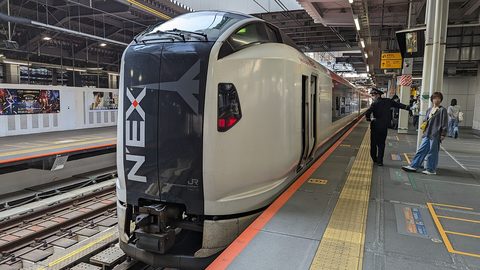 Getting Around Tokyo by Train Airport Transfers and IC Cards
A practical guide to Tokyo's rail network, covering airport transfers, IC cards, and how to avoid the station navigation mistakes that eat your day.
Getting Around Tokyo by Train Airport Transfers and IC Cards
A practical guide to Tokyo's rail network, covering airport transfers, IC cards, and how to avoid the station navigation mistakes that eat your day.
-
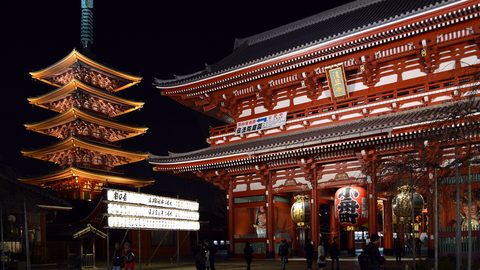 Senso-ji
 is free and never closes, but the experience at 6am with empty Nakamise stalls is nothing like the 11am crush under Kaminarimon. Here is when to go and what you get at each hour.
Senso-ji
Senso-ji is free and never closes, but the experience at 6am with empty Nakamise stalls is nothing like the 11am crush under Kaminarimon. Here is when to go and what you get at each hour.
-
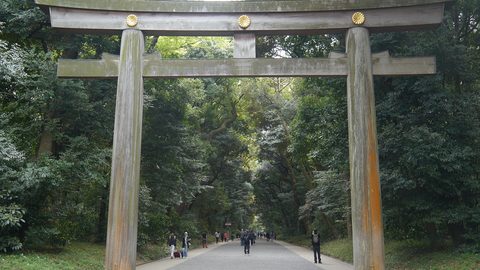 Meiji Jingu
The Meiji Jingu visit changes completely depending on which torii gate you enter. One drops you from Harajuku noise into sudden forest, the other builds quiet slowly from Yoyogi.
Meiji Jingu
The Meiji Jingu visit changes completely depending on which torii gate you enter. One drops you from Harajuku noise into sudden forest, the other builds quiet slowly from Yoyogi.
-
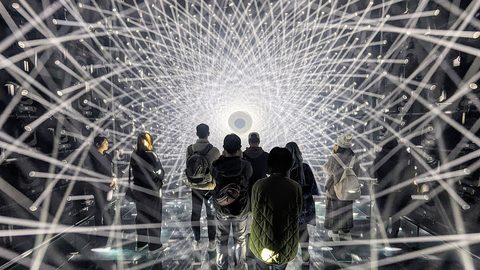 teamLab
 Borderless and Planets are two different Tokyo venues with separate booking systems. Borderless tickets at Azabudai Hills sell in timed slots and the maze has no fixed route.
teamLab
teamLab Borderless and Planets are two different Tokyo venues with separate booking systems. Borderless tickets at Azabudai Hills sell in timed slots and the maze has no fixed route.