The Three-Day Tokyo Version With What Gets Cut and Why
Three days in Tokyo demands hard cuts. This itinerary clusters districts, enforces a two-per-day limit, and names exactly what gets left behind.

What a Realistic Three Day Tokyo Itinerary Actually Looks Like
You need five full days to feel Tokyo, not just commute through it. Three days means you cut at least half the usual checklist and accept that you are covering ground, not absorbing atmosphere. This plan pairs districts that sit close together on the rail map and enforces a two district per day maximum. No Odaiba, no day trips, no Akihabara unless you drop something else. You will see the essential Tokyo. You will also spend real time on trains and station navigation. That is the trade off and it is worth making if three days is all you have.
The Tokyo Metro 72 hour pass is your best bet for this compressed schedule. It costs about ¥1,500 and covers the nine Tokyo Metro lines and four Toei Subway lines, enough to reach every district on this itinerary. The pass saves you around 30% compared to single fares if you take four or more trips per day. Load it onto a Suica or Pasmo IC card. Add the card to your phone wallet before arrival. The one thing that trips visitors up: stations are multi company hubs. Exiting through the wrong gate invalidates a transfer ticket and forces a fare recalculation at a staffed window. Use Google Maps for routing but download the Japan Official Travel App for station floor maps that work offline.
Arrive with a pocket WiFi rental rather than an eSIM. Consistent speed across underground sections matters more than convenience in this city, and the rental units handle the subway gaps better.
Day 1: Asakusa, Sumida and Ueno, Eastern Tokyo
Senso-ji And The Skytree Before The Crowds
Start at Senso ji temple, Tokyo's oldest temple founded in 628 CE. Arrive by 08:00 to clear the Kaminarimon gate before the tour groups. Walk Nakamise dori shopping street as the stalls open, then cross the Sumida River to the Tokyo Skytree. The tower is 634 meters tall with observation decks at 350 meters and 450 meters. Ticket queues are long by 10:00. Book in advance online or skip the tower entirely if you prefer ground level views. The 15 to 20 minute walk between Asakusa and Skytree is flat and straightforward.
Ueno Market Instead Of Another Museum
Take the Tokyo Metro Ginza Line from Asakusa to Ueno, a five minute ride. Ueno Park holds several world class museums including the Tokyo National Museum and the National Museum of Nature and Science, but on a three day trip you pick one at most. Use the hour for Ameya Yokocho market instead, the covered shopping street under the train tracks. It sells street food, discount cosmetics and second hand kimono yukata and is more representative of Tokyo's everyday energy than another museum hall.
Monjayaki On Tsukishima
End the day at a monjayaki restaurant on Tsukishima's Monja Street. The cook it yourself runny batter is a Tokyo specialty and the street is a 10 minute taxi or 20 minute train ride from Ueno. Book ahead. Walk ins at dinner are refused even when empty seats are visible.
Day 2: Tsukiji, Ginza, Imperial Palace and Tokyo Station
Tsukiji Outer Market Early
Arrive at Tsukiji Outer Market by 07:30. The wholesale tuna auction moved to Toyosu but the outer market retains the seafood bowls, knife shops and grilled skewers. Many stalls close on Sunday and public holidays. Weekends and Wednesday are the busiest. Budget ¥1,500 to ¥3,000 for a breakfast bowl. Carry your trash. Public bins are virtually nonexistent.
Walk to Ginza via the Tokyo Metro Hibiya Line, three minutes. Ginza is wide boulevards and flagship luxury stores, but on weekends the main street becomes a pedestrian paradise from 12:00 to 17:00. Even on a weekday, the depachika basement food hall at Mitsukoshi department store is worth a walk through for grab and go sushi boxes and fruit jellies.
Tokyo Station And The Imperial Palace
From Ginza, take the JR Yamanote Line from Yurakucho to Tokyo Station, two minutes. Exit through the Marunouchi side to see the 1914 Queen Anne Revival brick building designed by Tatsuno Kingo. The Imperial Palace East Gardens are a 10 minute walk north. Admission is free. The gardens close Monday and Friday except on national holidays and December 28 to January 3.
If you have energy and want to trade Roppongi on Day 3, replace the Imperial Palace walk with Akihabara Electric Town. It is four minutes from Tokyo Station by the JR Yamanote Line. That substitution means you drop the Shinjuku wildcard entirely. Make the call before you leave the hotel.
Day 3: Meiji Jingu, Harajuku, Shibuya and One Wildcard
Meiji Jingu Shrine Before The Crowds
Start at Meiji Jingu shrine, founded in 1920 and set in a forest of donated trees. The main torii gate is one of the largest in Japan. Arrive by 08:30 to walk the gravel paths before the crowds. The shrine is a 15 minute walk from Harajuku Station.
Harajuku To Shibuya On Foot
From the shrine, exit into Harajuku via Takeshita dori, the narrow pedestrian lane of crepe stands and cheap fashion. It is crowded by 10:00. For a quieter route, walk Omotesando avenue instead, the tree lined boulevard of designer boutiques. Both connect to Shibuya on foot, about 20 minutes of walking, or two minutes by the JR Yamanote Line.
Shibuya Scramble Crossing peaks at up to 3,000 people per green light. The best view is from the Magnet rooftop observation deck on the north side of the station. The Hachiko statue at the Hachiko Exit is the standard meeting point. Budget one hour for Shibuya unless you want to shop.
Pick One Wildcard For The Final Afternoon
The wildcard: pick one of three options for your final afternoon and evening. Option A, Shinjuku Gyoen National Garden costs ¥500 and closes on Mondays except during cherry blossom and chrysanthemum seasons. The three style garden opens at 09:00. Option B, the Tokyo Metropolitan Government Building observation deck at 202 meters is free and open until 22:00. Option C, Roppongi Hills observation deck costs ¥1,800 and gives the best night skyline. You can only do one. Do not try to squeeze two.
Read next
-
 Tokyo Hotels by Type and Budget from Capsules to Luxury
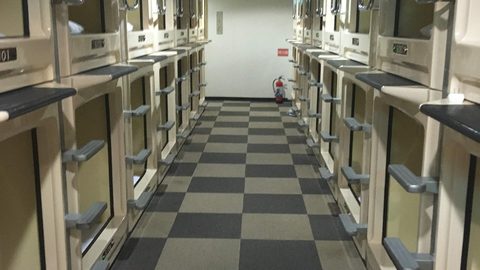
Tokyo hotels organised by type and price band, from efficient capsule pods to full-service luxury towers, to help you book the right room.
Tokyo Hotels by Type and Budget from Capsules to Luxury
Tokyo hotels organised by type and price band, from efficient capsule pods to full-service luxury towers, to help you book the right room.
-
 Where to Stay in Tokyo by District and Travel Style
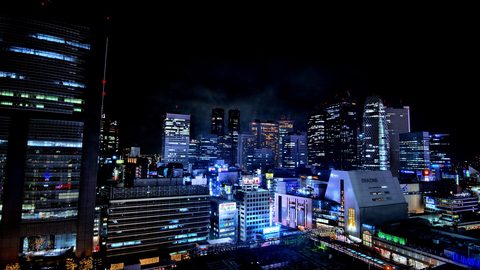
A comparison of Tokyo's major districts to help you choose the right base for your travel style, whether you want calm or chaos.
Where to Stay in Tokyo by District and Travel Style
A comparison of Tokyo's major districts to help you choose the right base for your travel style, whether you want calm or chaos.
-
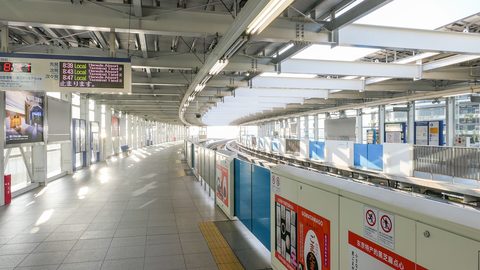 Narita or Haneda for Tokyo and What That Airport Choice Costs You
Narita or Haneda for Tokyo: compare door-to-district time, transfer cost, and what the wrong airport choice eats from your trip.
Narita or Haneda for Tokyo and What That Airport Choice Costs You
Narita or Haneda for Tokyo: compare door-to-district time, transfer cost, and what the wrong airport choice eats from your trip.
-
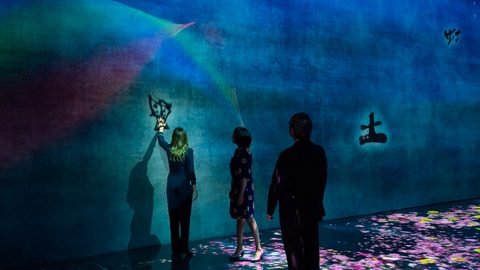 Things to Do in Tokyo That Are Worth Your Limited Days
A curated list of Tokyo's highest-impact sights and experiences, from immersive art to quiet backstreets, to help you prioritise your days.
Things to Do in Tokyo That Are Worth Your Limited Days
A curated list of Tokyo's highest-impact sights and experiences, from immersive art to quiet backstreets, to help you prioritise your days.
-
 Best Time to Visit Tokyo Month by Month Tradeoffs
A month-by-month guide to visiting Tokyo, laying out the trade-off between weather, crowds, price, and what's actually open.
Best Time to Visit Tokyo Month by Month Tradeoffs
A month-by-month guide to visiting Tokyo, laying out the trade-off between weather, crowds, price, and what's actually open.
-
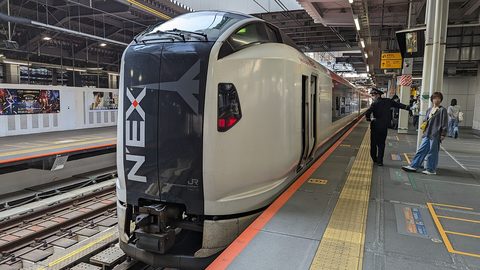 Getting Around Tokyo by Train Airport Transfers and IC Cards
A practical guide to Tokyo's rail network, covering airport transfers, IC cards, and how to avoid the station navigation mistakes that eat your day.
Getting Around Tokyo by Train Airport Transfers and IC Cards
A practical guide to Tokyo's rail network, covering airport transfers, IC cards, and how to avoid the station navigation mistakes that eat your day.
-
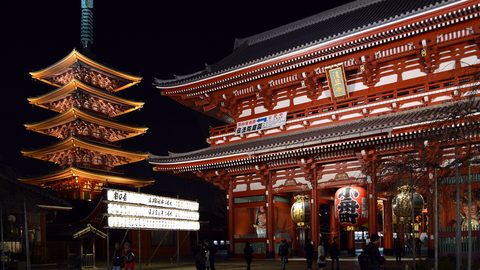 Senso-ji
 is free and never closes, but the experience at 6am with empty Nakamise stalls is nothing like the 11am crush under Kaminarimon. Here is when to go and what you get at each hour.
Senso-ji
Senso-ji is free and never closes, but the experience at 6am with empty Nakamise stalls is nothing like the 11am crush under Kaminarimon. Here is when to go and what you get at each hour.
-
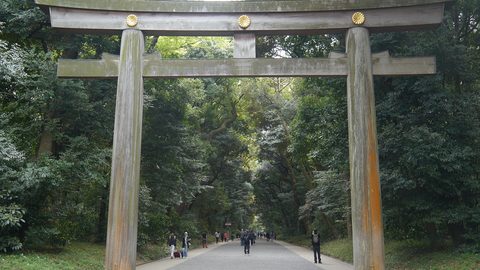 Meiji Jingu
The Meiji Jingu visit changes completely depending on which torii gate you enter. One drops you from Harajuku noise into sudden forest, the other builds quiet slowly from Yoyogi.
Meiji Jingu
The Meiji Jingu visit changes completely depending on which torii gate you enter. One drops you from Harajuku noise into sudden forest, the other builds quiet slowly from Yoyogi.
-
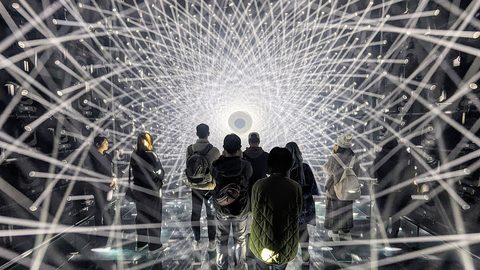 teamLab
 Borderless and Planets are two different Tokyo venues with separate booking systems. Borderless tickets at Azabudai Hills sell in timed slots and the maze has no fixed route.
teamLab
teamLab Borderless and Planets are two different Tokyo venues with separate booking systems. Borderless tickets at Azabudai Hills sell in timed slots and the maze has no fixed route.