Browsing a Hundred and Fifty Bookshops and a Street of Curry in Jimbocho
Jimbocho packs a hundred and fifty used bookshops, a street of curry rice, vintage guitar stores, and old kissaten coffee houses into Tokyo's intellectal quarter.
- Flag
-

- ISO code
- JP
- Currency
- JPY
- Timezone
- Asia/Tokyo
Jimbocho Has More Used Bookshops Than Anywhere Else on Earth
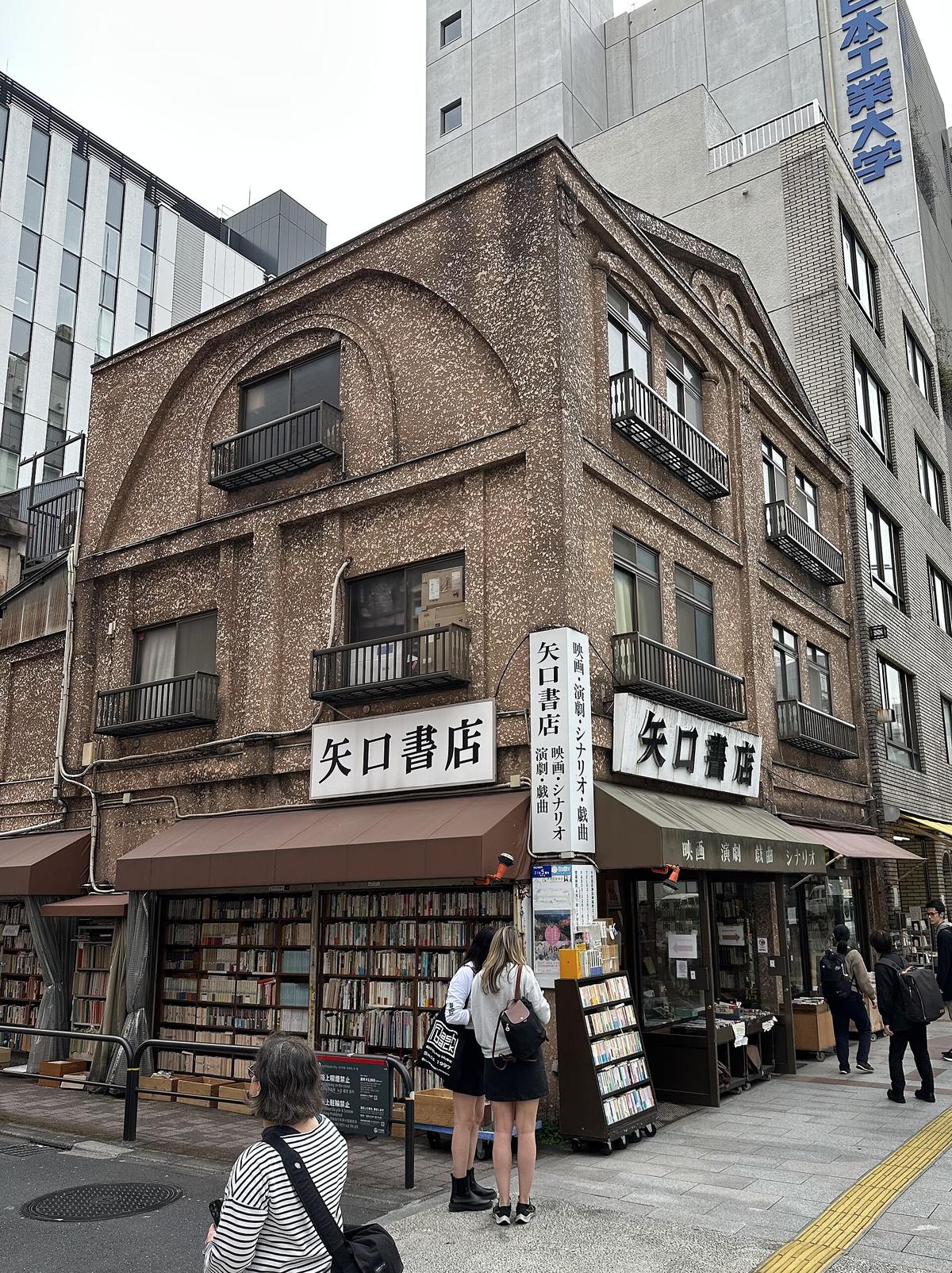
Start on Yasukuni-dori. Between 150 and 180 secondhand bookshops line this street and the side streets radiating from it, a count published yearly by the Kanda Booksellers Association. That density is why you come. Every shopfront faces north. Owners designed them that way to protect the stock from direct sunlight. You will spend the first hour just understanding the geography: the academic stacks near Meiji University's Liberty Tower, the narrow specialist shops on Suzuran-dori, the four-floor warehouses where you climb past geology texts to find photography monographs on the top floor.
Where To Find English-Language Stock
Five shops carry English books reliably. Kitazawa Bookstore on Yasukuni-dori has a deep selection of used academic works. Isseido Booksellers, a block south, holds art criticism and literature in translation. Ogawa Tosho two streets over stocks philosophy and history. Sanseido Jimbocho, the large new-and-used hybrid near the station, has a dedicated foreign-language section. Bondi Books specialises in Australian and New Zealand titles.
Art Books And Opening Days
For art and ukiyo-e, visit Isseido, Hara Shobo, Ohya Shobo, and Kogei Shobo. Most shops close on Sunday. Some shut Wednesday or Thursday instead. Check before you walk.

The Curry Tradition That Grew Up Around the Students
The Kanda Curry Grand Prix area concentrates roughly 30 to 50 curry restaurants on Suzuran-dori and the adjacent streets. The reason for the density is academic. Meiji University and other nearby campuses produced generations of students who needed a cheap, filling meal between classes. Curry rice fit. A plate costs you 800 to 1,200 yen at most places. You order at a vending machine by the door, hand the ticket to the counter, and wait three to five minutes. This is not destination dining. It is fuel for browsing, and it works because you never walk more than a block before hitting another option.
Eat Where The Students Eat
Skip the places with English menus displayed outside. They are aimed at tourists who will not come back. Look instead for the handwritten specials board in Japanese only. That shop serves the students and the professors, and the curry will be darker, richer, and served with a pickled vegetable you will not recognise. Order the regular portion. Large is too much rice and not enough sauce.
Vintage Guitars Five Minutes East and Kissaten to Sit in
Walk east on Meidai-dori for five minutes and you reach Ochanomizu, Tokyo's guitar district. Roughly 50 musical instrument shops cluster here, many specialising in vintage electric guitars from the 1960s and 1970s. The stock tilts heavily toward Fender and Gibson, with a strong secondary market in Japanese-made replicas from the FujiGen factory. You do not need to play. The window displays alone justify the detour. A 1978 Stratocaster in Olympic White sits behind glass at a price that would make a London dealer blush.
The Kissaten That Make You Stay
Back in Jimbocho proper, three kissaten coffee houses have survived since the 1940s and 1950s. Sabouru opened in 1955 and serves a dark roast with a side of thick toast. Ladrio, 1949, has velvet banquettes and a silent clientele reading paperbacks. Saza Coffee Jimbocho pours a single-origin cup over a slow drip. You sit, you order, you do not rush. The point of Jimbocho is the opposite of efficiency. It is a district built around the pleasures of browsing, eating, and collecting. The kissaten exist to make you stay longer.

Kanda Myojin and the Annual Book Fair
Kanda Myojin shrine, at 2-16-2 Soto-Kanda in Chiyoda-ku, sits ten minutes north of the main bookshop cluster. Its claim to relevance for a visitor is the IT omamori, an information security talisman sold at the shrine office. Tech workers come from across Tokyo to buy these. You can too. The shrine itself dates to the eighth century and survived the 1923 earthquake and the 1945 bombing. The current buildings are a 1934 reconstruction in the traditional gongen-zukuri style.
The Kanda Used Book Festival
If your trip falls in late October to early November, the Kanda Used Book Festival takes over Yasukuni-dori and the surrounding streets. First held in 1960, it runs for approximately ten days. Booksellers haul their stock onto outdoor tables at heavily discounted prices. The atmosphere is closer to a village market than a Tokyo street fair. Plan for it if you collect anything printed. Otherwise the crowds make ordinary browsing harder.
Other areas in Tokyo
- Akihabara
- Asakusa
- Ebisu
- Futako-tamagawa
- Ginza
- Harajuku
- Ikebukuro
- Jiyugaoka
- Kagurazaka
- Kichijoji
- Kiyosumi-Shirakawa
- Koenji
- Kuramae
- Marunouchi
- Nakameguro
- Nakano
- Nihonbashi
- Ningyocho
- Odaiba
- Omotesando and Aoyama
- Roppongi
- Ryogoku
- Sangenjaya
- Shibamata
- Shibuya
- Shimokitazawa
- Shin-Okubo
- Shinagawa
- Shinjuku
- Sugamo
- Takadanobaba
- Todoroki
- Tsukiji
- Tsukishima
- Ueno
- Yanaka
- Yurakucho and Shinbashi
Common Questions
How many used bookshops are actually in Jimbocho?
The Kanda Booksellers Association reports approximately 150 to 180 shops. The exact count shifts as shops open and close. The association publishes an updated number each year on its website.
Which shops sell English books?
Kitazawa Bookstore, Isseido Booksellers, Ogawa Tosho, Sanseido Jimbocho, and Bondi Books all carry English-language stock. Kitazawa and Sanseido have the largest selections.
Where is the curry street and how many restaurants are there?
The Kanda Curry Grand Prix area centres on Suzuran-dori and the streets immediately adjacent. Roughly 30 to 50 curry restaurants operate within that zone.
Why do the bookshop fronts face north?
The north-facing orientation protects the books from direct sunlight damage. Shop owners designed the fronts deliberately for this reason.
How far is Ochanomizu's guitar district from Jimbocho?
About five minutes on foot east along Meidai-dori. The zone contains roughly 50 musical instrument shops, with a strong vintage guitar selection.
When is the Kanda Used Book Festival?
Late October to early November each year for about ten days. The festival was first held in 1960 and takes place on Yasukuni-dori and the surrounding streets.
What are the notable old kissaten coffee houses in Jimbocho?
Sabouru (opened 1955), Ladrio (opened 1949), Milonga Nueva, and Saza Coffee Jimbocho are the four most established. Sabouru and Ladrio are the best preserved.
Read next
-
 Tokyo Hotels by Type and Budget from Capsules to Luxury
Tokyo hotels organised by type and price band, from efficient capsule pods to full-service luxury towers, to help you book the right room.
Tokyo Hotels by Type and Budget from Capsules to Luxury
Tokyo hotels organised by type and price band, from efficient capsule pods to full-service luxury towers, to help you book the right room.
-
 Where to Stay in Tokyo by District and Travel Style
A comparison of Tokyo's major districts to help you choose the right base for your travel style, whether you want calm or chaos.
Where to Stay in Tokyo by District and Travel Style
A comparison of Tokyo's major districts to help you choose the right base for your travel style, whether you want calm or chaos.
-
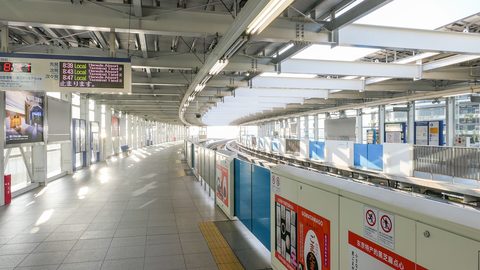 Narita or Haneda for Tokyo and What That Airport Choice Costs You
Narita or Haneda for Tokyo: compare door-to-district time, transfer cost, and what the wrong airport choice eats from your trip.
Narita or Haneda for Tokyo and What That Airport Choice Costs You
Narita or Haneda for Tokyo: compare door-to-district time, transfer cost, and what the wrong airport choice eats from your trip.
-
 Things to Do in Tokyo That Are Worth Your Limited Days
A curated list of Tokyo's highest-impact sights and experiences, from immersive art to quiet backstreets, to help you prioritise your days.
Things to Do in Tokyo That Are Worth Your Limited Days
A curated list of Tokyo's highest-impact sights and experiences, from immersive art to quiet backstreets, to help you prioritise your days.
-
 Best Time to Visit Tokyo Month by Month Tradeoffs
A month-by-month guide to visiting Tokyo, laying out the trade-off between weather, crowds, price, and what's actually open.
Best Time to Visit Tokyo Month by Month Tradeoffs
A month-by-month guide to visiting Tokyo, laying out the trade-off between weather, crowds, price, and what's actually open.
-
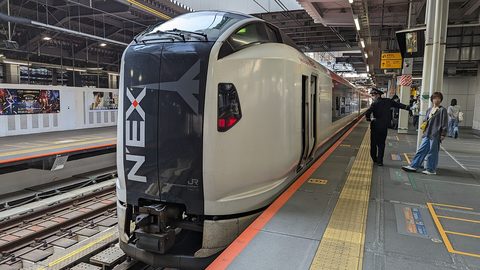 Getting Around Tokyo by Train Airport Transfers and IC Cards
A practical guide to Tokyo's rail network, covering airport transfers, IC cards, and how to avoid the station navigation mistakes that eat your day.
Getting Around Tokyo by Train Airport Transfers and IC Cards
A practical guide to Tokyo's rail network, covering airport transfers, IC cards, and how to avoid the station navigation mistakes that eat your day.
-
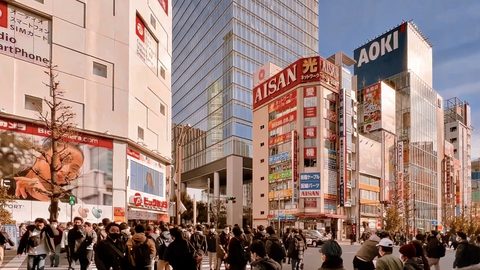 Akihabara
 Tokyo guide: electronics, anime, and arcades stacked floor by floor, from Radio Kaikan to the maid cafe touts.
Akihabara
Akihabara Tokyo guide: electronics, anime, and arcades stacked floor by floor, from Radio Kaikan to the maid cafe touts.
-
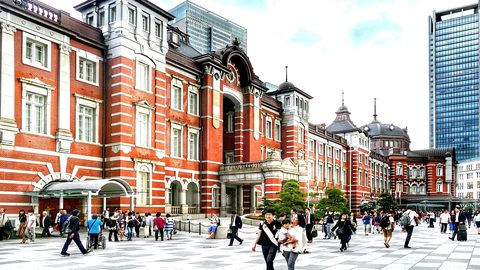 Marunouchi
Staying in Marunouchi puts you steps from Tokyo Station's Shinkansen platforms and Narita Express, trading nightlife buzz for unmatched rail connectivity and wide, quiet weekend boulevards.
Marunouchi
Staying in Marunouchi puts you steps from Tokyo Station's Shinkansen platforms and Narita Express, trading nightlife buzz for unmatched rail connectivity and wide, quiet weekend boulevards.
-
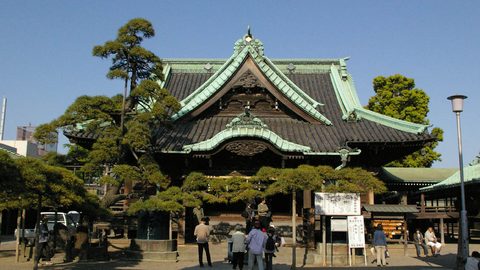 Shibamata
 preserves a 1950s Tokyo on its temple approach street, forever tied to the Tora-san film series and best visited for unagi and old-school snacks.
Shibamata
Shibamata preserves a 1950s Tokyo on its temple approach street, forever tied to the Tora-san film series and best visited for unagi and old-school snacks.