Sugamo's Jizo-dori Is a Shopping Street Where the Target Customer Is Over Seventy
Sugamo's Jizo-dori earns its 'Harajuku for grandmothers' nickname with red underwear shops, health snacks and a temple where visitors rub a healing statue.
- Flag
-

- ISO code
- JP
- Currency
- JPY
- Timezone
- Asia/Tokyo
Sugamo Jizo-dori is a Shopping Street Where the Target Customer is Over Seventy
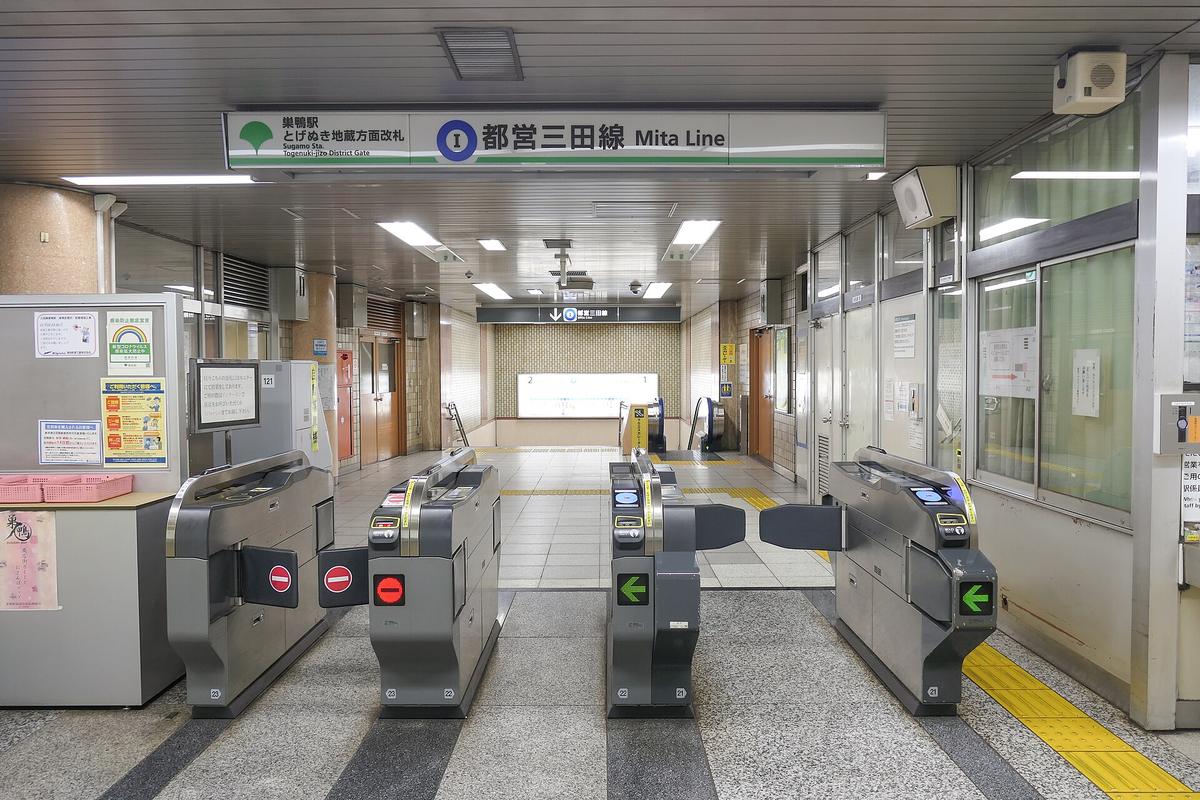
The street runs 800 metres east from Sugamo Station's A3 exit to the main gate of Koganji Temple, and its primary customer is over seventy. That is the single most useful fact, because it tells you exactly what you are getting into and why it is worth your time. The nickname, 'Harajuku for grandmothers', was coined by Japanese media in the 1970s and 1980s and it is accurate. The demographic skew is honest. And that honesty is what makes Jizo-dori one of Tokyo's most culturally intact high streets. You have come to watch a retail ecosystem that has not been optimised for Instagram, and to participate in a healing ritual that has not been rebranded as wellness.
This street suits a solo explorer who thrives on anonymity, a food-obsessed traveller planning trips around specific meals, or a repeat visitor who has already done the big sights. Bring the same curiosity you would bring to a Showa-era department store or an old-school sento. Leave the expectations of nightlife, high fashion, and contemporary youth culture at the station.

What to Actually Do: Temple Healing and Red Underwear
Anchor your visit at Koganji Temple, a Soto Zen temple founded in 1596 and relocated to Sugamo in 1891. The principal deity is Enmei Jizo Bosatsu, commonly called Togenuki Jizo, which means 'thorn-pulling Jizo'. The statue has a centuries-old reputation for healing ailments. You do not pray to it directly. Instead, you perform two rituals.
Wash The Arai Kannon
Look for the Arai Kannon, a stone statue set apart from the main hall. The ritual is tactile and specific. Take a ladle from the temple-provided basin, pour water over the part of the statue that corresponds to your ailment, and rub it with a cloth. Bad knees mean the statue's knees. Stiff shoulders mean its shoulders. The water is replaced daily. A queue forms for access, and on market days or weekends you can expect a 10 to 20 minute wait. The temple opens at 06:00 and closes at 17:00. Admission is free. Arrive early if you want the ritual without the line.
Waft The Incense Smoke
Nearby stands a large incense burner. Visitors waft smoke onto the specific body parts that need healing. The logic is the same as the water ritual, but faster and with no queue. Both practices share a pre-modern, faith-based approach to wellness that has nothing to do with the pricey collagen drinks or oxygen bars you find elsewhere in Tokyo. It is older, cheaper, and stranger in the best way.
Buy Red Underwear At Maruji Or Reds
The red-underwear tradition is not a gimmick. The colour red is believed to ward off illness and bring vitality, directly linked to the healing powers of Togenuki Jizo. Two shops dominate the trade. Maruji, founded in 1939 at 4-22-8 Sugamo, is the original. Reds, at 4-21-11, is its competitor. Both sell briefs, long johns, undershirts, socks, and bras. Prices range from ¥800 to ¥3,500. Peak sales run from November through February, when customers buy them as winter protection garments. Buy a pair as a souvenir, or buy them for a relative who would appreciate the gesture. Do not mock the superstition. It has sustained this street for over eight decades.
What to Eat: Edible Souvenirs That Justify the Trip
The food on Jizo-dori is not trendy. It is the kind of snack you buy to eat while walking, or to take back to someone who does not need another keychain.
Shio-Daifuku From Mizuno
Mizuno, at 3-33-3 Sugamo, sells shio-daifuku: a soft, salt-seasoned rice cake wrapped around sweet bean paste. The salt cuts the sweetness and makes it taste like something you could eat three of without stopping. Buy them in the morning when they are fresh.
Imo-Yokan From Funawa
Funawa, a chain with a branch at 3-34-6 Sugamo, makes imo-yokan, a sweet potato jelly. It keeps well and travels back to a hotel room or a suitcase without drama. Buy it as a gift, not as an immediate snack, because the texture is dense and you want a knife and a plate.
Taiyaki And Matcha Soft Serve
Asakusa Taiyaki has a Sugamo branch selling fish-shaped cakes filled with red bean paste. The list of edible souvenirs is rounded out by the multiple stalls selling matcha soft-serve ice cream. Both are walk-and-eat items. There is also hand-grilled senbei, rice crackers, sold from multiple shops along the street. Pick whichever stall has the shortest queue.

The Market Days: When the Street Transforms
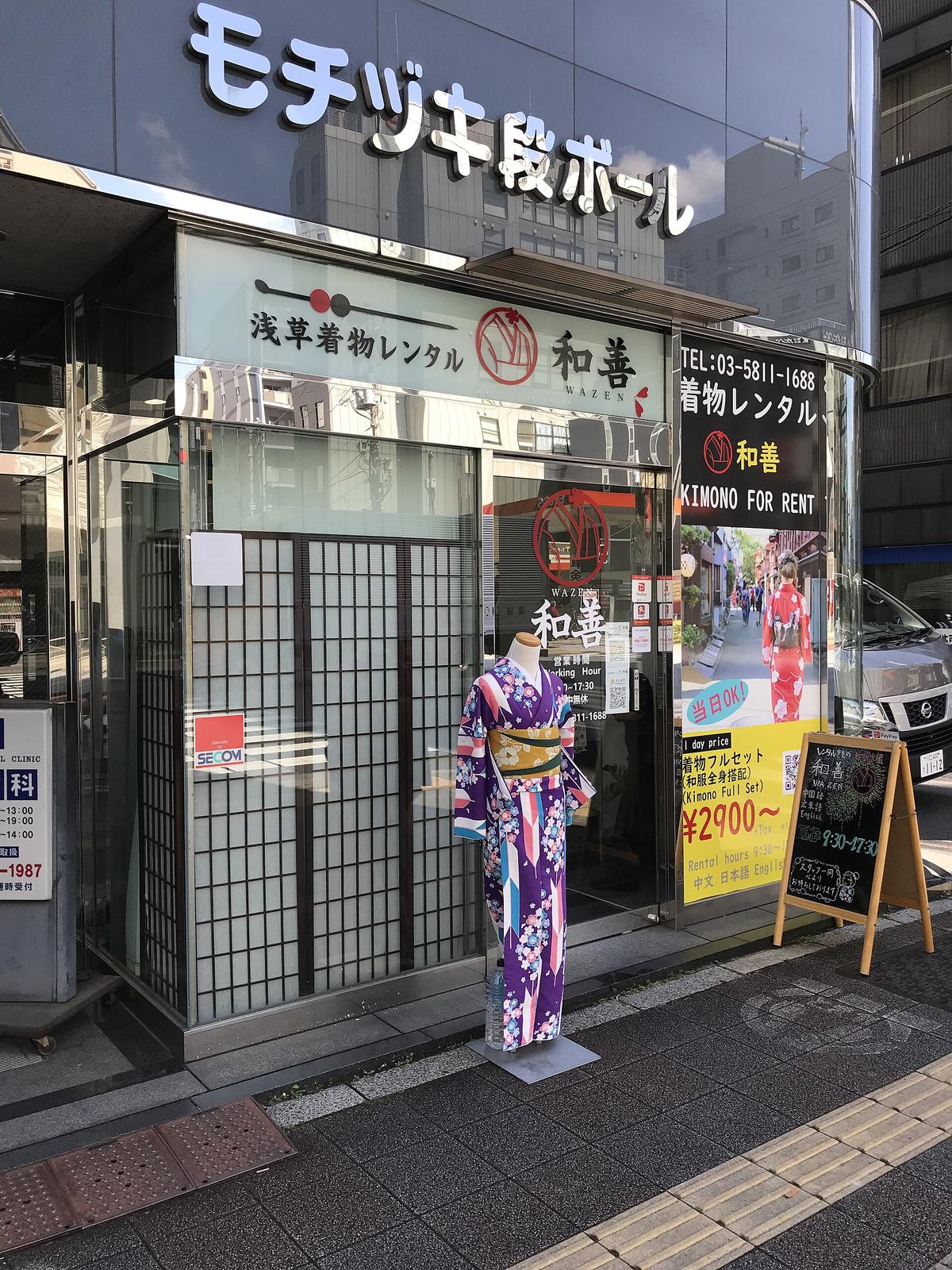
On the 4th, 14th, and 24th of every month, Jizo-dori hosts an ennichi, a market day. The street closes to vehicles for the day. Stalls selling street food, second-hand kimono, antiques, plants, red underwear, and amulets appear along the 800-metre stretch. The Japan National Tourism Organization reports footfall in the range of 10,000 to 30,000 visitors. On a standard weekday, you finish the street in 45 to 75 minutes. On a market day, budget closer to 90 minutes because the pace slows to a shuffle and the stall density rewards stopping. The demographic shifts too: younger visitors and families arrive alongside the usual 60-plus crowd. Time your visit to a market day to see the street at its most energetic. Come on a Tuesday morning instead if you want a quiet, unhurried look at a working-class shopping street.
Other areas in Tokyo
- Akihabara
- Asakusa
- Ebisu
- Futako-tamagawa
- Ginza
- Harajuku
- Ikebukuro
- Jimbocho
- Jiyugaoka
- Kagurazaka
- Kichijoji
- Kiyosumi-Shirakawa
- Koenji
- Kuramae
- Marunouchi
- Nakameguro
- Nakano
- Nihonbashi
- Ningyocho
- Odaiba
- Omotesando and Aoyama
- Roppongi
- Ryogoku
- Sangenjaya
- Shibamata
- Shibuya
- Shimokitazawa
- Shin-Okubo
- Shinagawa
- Shinjuku
- Takadanobaba
- Todoroki
- Tsukiji
- Tsukishima
- Ueno
- Yanaka
- Yurakucho and Shinbashi
Frequently Asked Questions
Is Sugamo Jizo-dori worth visiting if I am under 40?
Yes, but only if you enjoy people-watching, Showa-era retail, and temple rituals. You will not find nightlife, youth fashion, or anything designed for your age group. That is the point. Skip it if you want high energy or contemporary street culture.
How long should I spend on Jizo-dori?
45 to 75 minutes on a normal day. Add 30 minutes on a market day. The street is 800 metres long. Do not plan a half-day around it. Treat it as a morning stop combined with a visit to nearby Rikugien garden or a walk through the Yanaka cemetery area.
What are the market days and how crowded do they get?
The 4th, 14th, and 24th of every month. The Japan National Tourism Organization reports between 10,000 and 30,000 visitors. The street closes to vehicles. Arrive by 09:00 to avoid the densest crowds.
Should I buy red underwear as a souvenir?
Yes if you appreciate the cultural logic behind it. The colour red wards off illness and brings vitality, a tradition linked to the temple's healing Jizo statue. Prices run from ¥800 to ¥3,500 at Maruji or Reds. Buy for a relative who would understand the gesture, not for a friend who will laugh at it.
What is the best way to reach Sugamo?
Use the JR Yamanote Line and get off at Sugamo Station. The A3 exit puts you directly at the start of Jizo-dori. You can also walk five minutes from JR Komagome Station's north exit, or seven minutes from the Toden Arakawa Line's Koshinzuka stop.
Read next
-
 Tokyo Hotels by Type and Budget from Capsules to Luxury
Tokyo hotels organised by type and price band, from efficient capsule pods to full-service luxury towers, to help you book the right room.
Tokyo Hotels by Type and Budget from Capsules to Luxury
Tokyo hotels organised by type and price band, from efficient capsule pods to full-service luxury towers, to help you book the right room.
-
 Where to Stay in Tokyo by District and Travel Style
A comparison of Tokyo's major districts to help you choose the right base for your travel style, whether you want calm or chaos.
Where to Stay in Tokyo by District and Travel Style
A comparison of Tokyo's major districts to help you choose the right base for your travel style, whether you want calm or chaos.
-
 Narita or Haneda for Tokyo and What That Airport Choice Costs You
Narita or Haneda for Tokyo: compare door-to-district time, transfer cost, and what the wrong airport choice eats from your trip.
Narita or Haneda for Tokyo and What That Airport Choice Costs You
Narita or Haneda for Tokyo: compare door-to-district time, transfer cost, and what the wrong airport choice eats from your trip.
-
 Things to Do in Tokyo That Are Worth Your Limited Days
A curated list of Tokyo's highest-impact sights and experiences, from immersive art to quiet backstreets, to help you prioritise your days.
Things to Do in Tokyo That Are Worth Your Limited Days
A curated list of Tokyo's highest-impact sights and experiences, from immersive art to quiet backstreets, to help you prioritise your days.
-
 Best Time to Visit Tokyo Month by Month Tradeoffs
A month-by-month guide to visiting Tokyo, laying out the trade-off between weather, crowds, price, and what's actually open.
Best Time to Visit Tokyo Month by Month Tradeoffs
A month-by-month guide to visiting Tokyo, laying out the trade-off between weather, crowds, price, and what's actually open.
-
 Getting Around Tokyo by Train Airport Transfers and IC Cards
A practical guide to Tokyo's rail network, covering airport transfers, IC cards, and how to avoid the station navigation mistakes that eat your day.
Getting Around Tokyo by Train Airport Transfers and IC Cards
A practical guide to Tokyo's rail network, covering airport transfers, IC cards, and how to avoid the station navigation mistakes that eat your day.
-
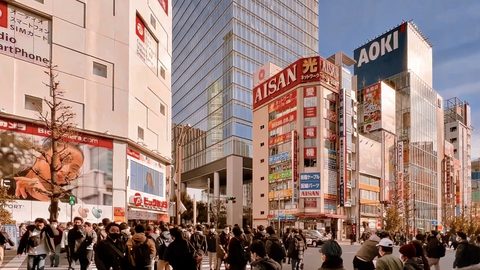 Akihabara
 Tokyo guide: electronics, anime, and arcades stacked floor by floor, from Radio Kaikan to the maid cafe touts.
Akihabara
Akihabara Tokyo guide: electronics, anime, and arcades stacked floor by floor, from Radio Kaikan to the maid cafe touts.
-
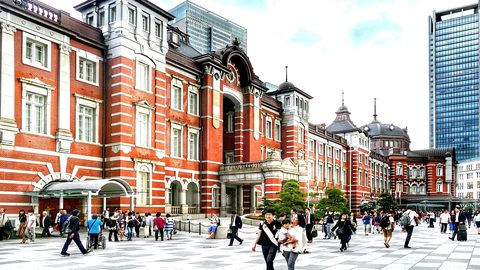 Marunouchi
Staying in Marunouchi puts you steps from Tokyo Station's Shinkansen platforms and Narita Express, trading nightlife buzz for unmatched rail connectivity and wide, quiet weekend boulevards.
Marunouchi
Staying in Marunouchi puts you steps from Tokyo Station's Shinkansen platforms and Narita Express, trading nightlife buzz for unmatched rail connectivity and wide, quiet weekend boulevards.
-
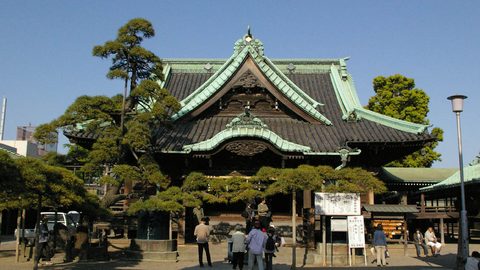 Shibamata
 preserves a 1950s Tokyo on its temple approach street, forever tied to the Tora-san film series and best visited for unagi and old-school snacks.
Shibamata
Shibamata preserves a 1950s Tokyo on its temple approach street, forever tied to the Tora-san film series and best visited for unagi and old-school snacks.