Sangenjaya Is Where You Drink Under the Tracks, Then Climb a Free Observation Deck
Sangenjaya packs standing bars and grilled-skewer alleys into its Sankaku Chitai triangle, topped by a free observation deck two stops from Shibuya.
- Flag
-
- ISO code
- JP
- Currency
- JPY
- Timezone
- Asia/Tokyo
Sangenjaya is Where You Drink Under the Tracks, Then Climb a Free Observation Deck
The train doors slide open at Sangenjaya and the people who get off look different from the ones who stayed on. Two stops from Shibuya on the Tokyu Den-en-toshi Line, this is where Shibuya office workers come when they want a drink that costs ¥400 instead of ¥1,200 and a seat that does not require a reservation made three weeks ago. You get off the train, walk under the elevated tracks, and the whole neighbourhood opens like a low lit maze of grills, standing bars, and 27 floors of free sky.
The Triangle Zone: Sankaku Chitai
The drinking core of Sangenjaya is the Triangle Zone, a dense wedge of three narrow pedestrian alleys named Suzuran-dori, Triangle Zone Hontori, and Triangle Zone Higashidori. Together they pack roughly 200 establishments into a space smaller than a city block. The vibe is post-war Tokyo preserved under fluorescent light: corrugated roofs, cigarette smoke, handwritten chalk menus, and bar counters six seats long where nobody asks what you want until you catch the bartender's eye.
What You Pay and What You Get
A drink runs ¥400 to ¥800. A skewer of grilled offal or a small plate of pickled vegetables costs between ¥150 and ¥600. Compare that to Shibuya, where the same night out runs 20 to 40 percent more for the same category of venue. The key difference is not just price: the Triangle Zone operates on a no cover charge ethic. You walk in, order, drink, pay, and leave. No table fees, no compulsory appetiser plates. Treat it as a crawl. One standing bar for two drinks, then move to the yakitori place two doors down, then a tiny wine bar that seats four people. Stay for three hours across five venues and your bill stays under ¥4,000.
What to Skip and What to Seek
The bars here are owner operated. Many speak no English. That is fine. Point at what the person next to you is eating. If you cannot handle that ambiguity, Sangenjaya is the wrong neighbourhood for you. Skip the places with plastic food displays in the window. Those target first timers who wandered in from Shibuya. Head instead for the standing bars with no menu at all: the kind where the grill master gestures at the counter and you nod. The grilled tongue and the skewers of shishito pepper with salt are reliable. The wine bars in the alley are a newer addition, but they keep the same price logic. A glass of natural wine for ¥600 exists here. It does not exist in Daikanyama.

Carrot Tower: the Free View Everyone Forgets
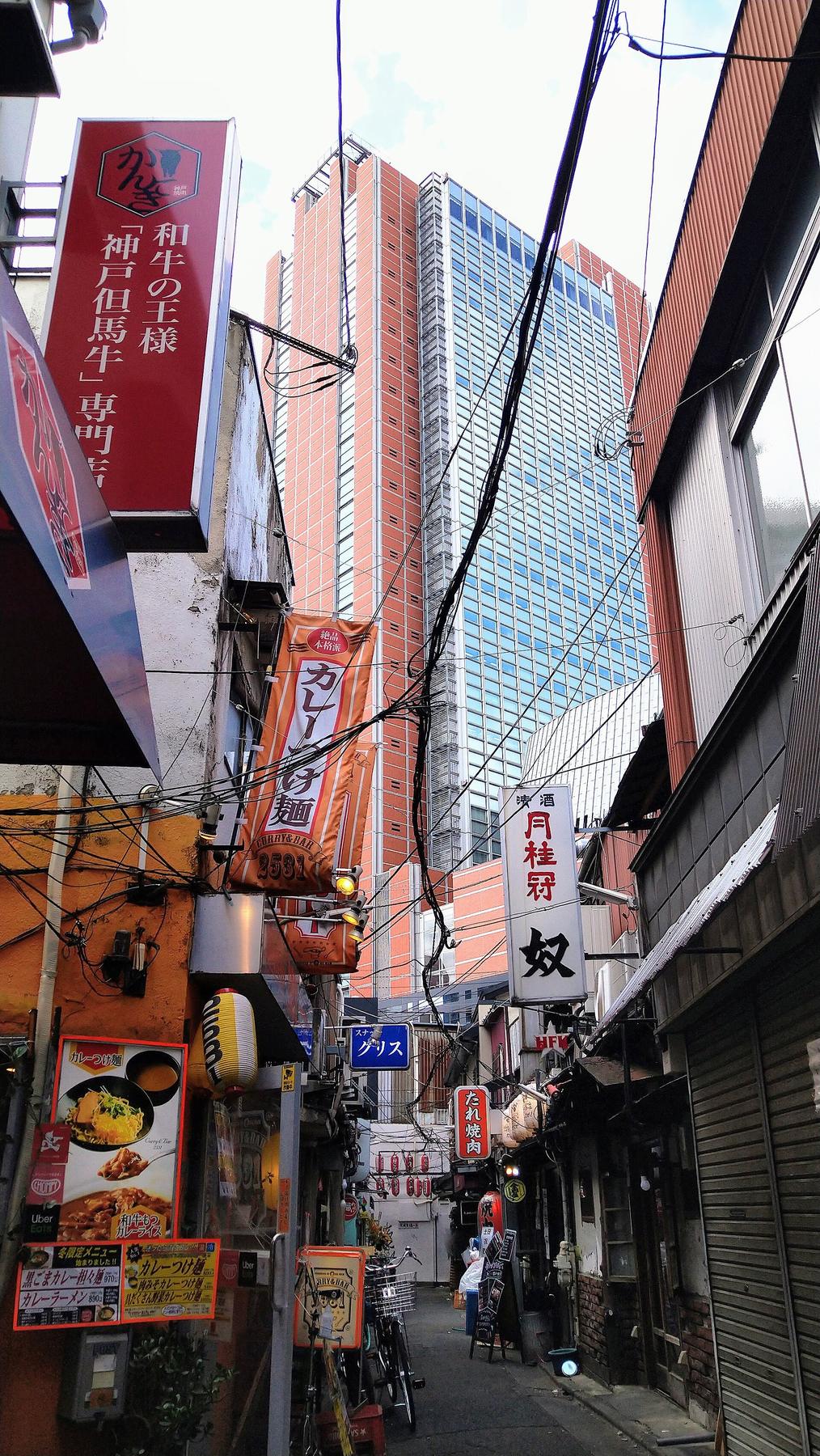
At the southeast edge of the drinking zone rises Setagaya Carrot Tower, a 124 metre building completed in 1996 that houses ward offices, a theatre, and a 26th floor observation lobby that costs exactly zero yen to enter. The Free Observation Lobby is open from 09:30 to 22:00, last entry at 21:45, and it closes on the second Wednesday of each month (or the following day if that Wednesday is a public holiday). Go at sunset, around 16:30 in winter or 17:30 in summer. The view runs west toward Mount Fuji on clear days and east across central Tokyo toward Skytree. The glass is clean. The floor is uncrowded. You will share the space with a handful of local couples and nobody trying to sell you a photo package. This is the direct opposite of Shibuya Sky, which costs ¥2,000 and requires timed tickets.
Why the Tower Works With the Alleys
The sequence matters. Start at Carrot Tower just before sunset. Watch the city change colour. Walk down to the Tokyu Setagaya Line tracks, the tram that runs 5.0 kilometres from Sangenjaya to Shimo-Takaido across ten stations. Ride it one stop or walk five minutes into the Triangle Zone. The contrast between the 26th floor silence and the alley noise is the whole point of the neighbourhood. The tower gives you the orientation: you can see Shibuya, Shinjuku, and the sprawl. Then the alleys give you the texture. Do not reverse the order. Drinking first makes the observation deck feel like a chore. The deck first makes the drinking feel like a reward.
The Coffee Detour on Chazawa-dori
If you arrive before the bars open (anything before 17:00), walk east from the station along Chazawa-dori, the main shopping street also called Sangenjaya Shotengai. This is where the daytime energy lives. Sunday Bake Shop for sourdough and butter. Latte Graphic for pour over at a counter facing the street. Onibus Coffee for a single origin espresso in a brutalist concrete room. No.4 for filter coffee and vinyl records. Hours run roughly 08:00 to 22:00 but each shop sets its own schedule and many close Tuesday or Wednesday. This is not a destination for lunch. This is a holding pattern until the grills start smoking.
The Tram Line Nobody Rides But Everyone Should
The Tokyu Setagaya Line is one of Tokyo's last remaining streetcars, a two car articulated tram that rattles at grade through residential backstreets. A single ride costs ¥157 with an IC card, ¥160 cash. First train from Sangenjaya is 05:00, last is 23:55. The route is 5.0 kilometres, ten stations, and entirely local. Ride it to the end at Shimo-Takaido and walk back through the side streets. It takes 20 minutes one way and shows you the ordinary Tokyo that the tourist maps leave blank: old houses with tiled roofs, small vegetable shops, a man watering his potted plants from a bucket. Do this on the afternoon before your bar crawl. It resets your sense of scale.

| Factor | Sangenjaya | Shibuya | Shimokitazawa |
|---|---|---|---|
| Drink price range | ¥400 to ¥800 | ¥800 to ¥1,500 | ¥500 to ¥900 |
| Cover charge | None at most bars | Common ¥500 to ¥1,000 | Rare but exists |
| Bar density | 200 venues in 3 alleys | Scattered across 20 blocks | Clusters on main streets |
| Last train to city centre | 00:24 (Den-en-toshi) | 00:44 (Yamanote) | 00:44 (Odakyu) |
| English service | Rare | Common | Occasional |
Who Should Go and Who Should Stay Away
Sangenjaya fits a specific traveller. You are a solo drinker who likes standing at a counter and communicating by pointing. You have already done Shibuya Scramble and Golden Gai. You want a cheaper, rougher version of the same energy, and you are willing to navigate a neighbourhood where the menu is handwritten in Japanese and the question is not whether you can read it but whether you care. The neighbourhood is not for first time Tokyo visitors with one night for nightlife. It is not for club goers looking for a dance floor. It is not for anyone who needs English language service throughout. If you are staying in Setagaya or southern Shibuya and you have an evening with no plan, walk to the station. Two stops. Three alleys. One free tower. That is the whole night.
Other areas in Tokyo
- Akihabara
- Asakusa
- Ebisu
- Futako-tamagawa
- Ginza
- Harajuku
- Ikebukuro
- Jimbocho
- Jiyugaoka
- Kagurazaka
- Kichijoji
- Kiyosumi-Shirakawa
- Koenji
- Kuramae
- Marunouchi
- Nakameguro
- Nakano
- Nihonbashi
- Ningyocho
- Odaiba
- Omotesando and Aoyama
- Roppongi
- Ryogoku
- Shibamata
- Shibuya
- Shimokitazawa
- Shin-Okubo
- Shinagawa
- Shinjuku
- Sugamo
- Takadanobaba
- Todoroki
- Tsukiji
- Tsukishima
- Ueno
- Yanaka
- Yurakucho and Shinbashi
Common Questions
How do I get to Sangenjaya from Shibuya?
Take the Tokyu Den-en-toshi Line from Shibuya Station. The ride takes three minutes. Two stops. Last train from Shibuya to Sangenjaya on weekdays departs at 00:37. Last train back from Sangenjaya to Shibuya departs at 00:24.
What does Sankaku Chitai mean?
Triangle Zone. It is the name for the three narrow alleys that form the drinking core of Sangenjaya: Suzuran-dori, Triangle Zone Hontori, and Triangle Zone Higashidori. The name describes the shape created by the streets.
Is the Carrot Tower observation deck really free?
Yes. The Free Observation Lobby on the 26th floor of Setagaya Carrot Tower costs nothing to enter. Hours are 09:30 to 22:00. Last entry at 21:45. Closed on the second Wednesday of each month or the following day if that Wednesday is a public holiday.
Can I see Mount Fuji from Carrot Tower?
On clear days, yes. The observation lobby faces west. Winter months offer the best visibility. Summer haze blocks the view. Go on a morning or late afternoon with low humidity for the highest chance.
How much does a drink cost in the Triangle Zone?
¥400 to ¥800 for a standard drink. A skewer or small plate runs ¥150 to ¥600. The neighbourhood is 20 to 40 percent cheaper than comparable nightlife in Shibuya, and most bars charge no cover fee.
Is Sangenjaya good for first time visitors to Tokyo?
Not if you have only one or two nights for nightlife. Go to Shibuya or Shinjuku first. Sangenjaya rewards repeat visitors who already understand how the train system works and who want a local alternative to the crowded tourist nightlife zones.
What is the Tokyu Setagaya Line?
A light rail tram that runs 5.0 kilometres from Sangenjaya to Shimo-Takaido across ten stations. It operates from 05:00 to 23:55. A single ride costs ¥157 with an IC card or ¥160 cash. It is one of the last streetcar lines in Tokyo.
Read next
-
 Tokyo Hotels by Type and Budget from Capsules to Luxury
Tokyo hotels organised by type and price band, from efficient capsule pods to full-service luxury towers, to help you book the right room.
Tokyo Hotels by Type and Budget from Capsules to Luxury
Tokyo hotels organised by type and price band, from efficient capsule pods to full-service luxury towers, to help you book the right room.
-
 Where to Stay in Tokyo by District and Travel Style
A comparison of Tokyo's major districts to help you choose the right base for your travel style, whether you want calm or chaos.
Where to Stay in Tokyo by District and Travel Style
A comparison of Tokyo's major districts to help you choose the right base for your travel style, whether you want calm or chaos.
-
 Narita or Haneda for Tokyo and What That Airport Choice Costs You
Narita or Haneda for Tokyo: compare door-to-district time, transfer cost, and what the wrong airport choice eats from your trip.
Narita or Haneda for Tokyo and What That Airport Choice Costs You
Narita or Haneda for Tokyo: compare door-to-district time, transfer cost, and what the wrong airport choice eats from your trip.
-
 Things to Do in Tokyo That Are Worth Your Limited Days
A curated list of Tokyo's highest-impact sights and experiences, from immersive art to quiet backstreets, to help you prioritise your days.
Things to Do in Tokyo That Are Worth Your Limited Days
A curated list of Tokyo's highest-impact sights and experiences, from immersive art to quiet backstreets, to help you prioritise your days.
-
 Best Time to Visit Tokyo Month by Month Tradeoffs
A month-by-month guide to visiting Tokyo, laying out the trade-off between weather, crowds, price, and what's actually open.
Best Time to Visit Tokyo Month by Month Tradeoffs
A month-by-month guide to visiting Tokyo, laying out the trade-off between weather, crowds, price, and what's actually open.
-
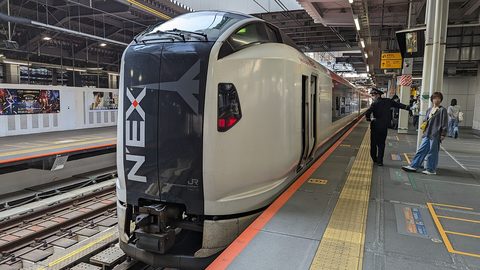 Getting Around Tokyo by Train Airport Transfers and IC Cards
A practical guide to Tokyo's rail network, covering airport transfers, IC cards, and how to avoid the station navigation mistakes that eat your day.
Getting Around Tokyo by Train Airport Transfers and IC Cards
A practical guide to Tokyo's rail network, covering airport transfers, IC cards, and how to avoid the station navigation mistakes that eat your day.
-
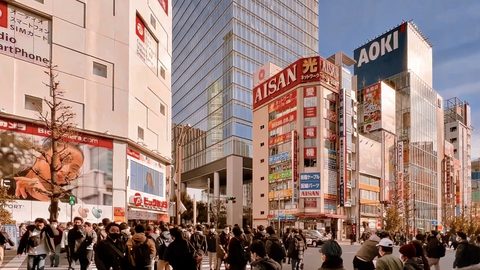 Akihabara
 Tokyo guide: electronics, anime, and arcades stacked floor by floor, from Radio Kaikan to the maid cafe touts.
Akihabara
Akihabara Tokyo guide: electronics, anime, and arcades stacked floor by floor, from Radio Kaikan to the maid cafe touts.
-
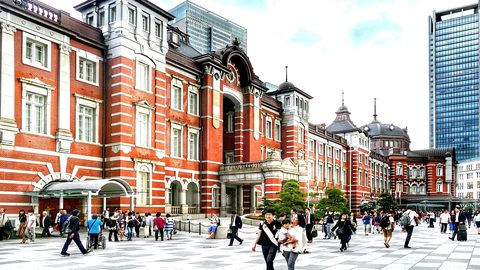 Marunouchi
Staying in Marunouchi puts you steps from Tokyo Station's Shinkansen platforms and Narita Express, trading nightlife buzz for unmatched rail connectivity and wide, quiet weekend boulevards.
Marunouchi
Staying in Marunouchi puts you steps from Tokyo Station's Shinkansen platforms and Narita Express, trading nightlife buzz for unmatched rail connectivity and wide, quiet weekend boulevards.
-
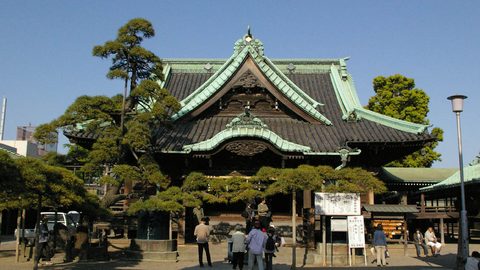 Shibamata
 preserves a 1950s Tokyo on its temple approach street, forever tied to the Tora-san film series and best visited for unagi and old-school snacks.
Shibamata
Shibamata preserves a 1950s Tokyo on its temple approach street, forever tied to the Tora-san film series and best visited for unagi and old-school snacks.