Jiyugaoka Is a Tokyo Suburb That Built Its Identity Around European Pastry
Jiyugaoka leans into its European fantasy with serious patisseries, a tiny canal and design boutiques in one of Tokyo's most polished residential suburbs.
- Flag
-

- ISO code
- JP
- Currency
- JPY
- Timezone
- Asia/Tokyo
Jiyugaoka is a Tokyo Suburb That Built Its Identity Around European Pastry
You have been in Tokyo for three days. You have done the scramble crossing, the temple, the rainbow tower. The city still feels like a vertiginous conspiracy of signs in a script you cannot read, and you want a single afternoon where the logic is obvious. Here it is: ride the Tokyu Toyoko Line from Shibuya for eight minutes, walk out of Jiyugaoka Station, and enter a suburb that decided to become a French patisserie district, a design-shop gallery, and a low-stakes canal fantasy all at once. The fantasy is deliberate. It is also delicious. You do not have to believe in it to enjoy it.
Jiyugaoka works because Tokyo is not one city but a constellation of neighbourhoods, each with its own curated identity, and this one chose European pastry as its organising principle. Within 500 metres of the station you will find more than 40 patisseries, a density that surpasses any other district in Tokyo. The concentration is not accidental: the shopping streets bear names like Marie Claire Street, the station plaza feeds directly into a grid of low-rise lanes built for strolling, and the whole place was designed, over decades, to feel like a residential suburb where you stop for cake between errands. It succeeds. The pastry at Mont St. Clair, where chef Tsujiguchi Hirokazu produces some of the most precise millefeuille in the country, justifies the trip on its own. But the neighbourhood around it is why you stay for three hours instead of thirty minutes.
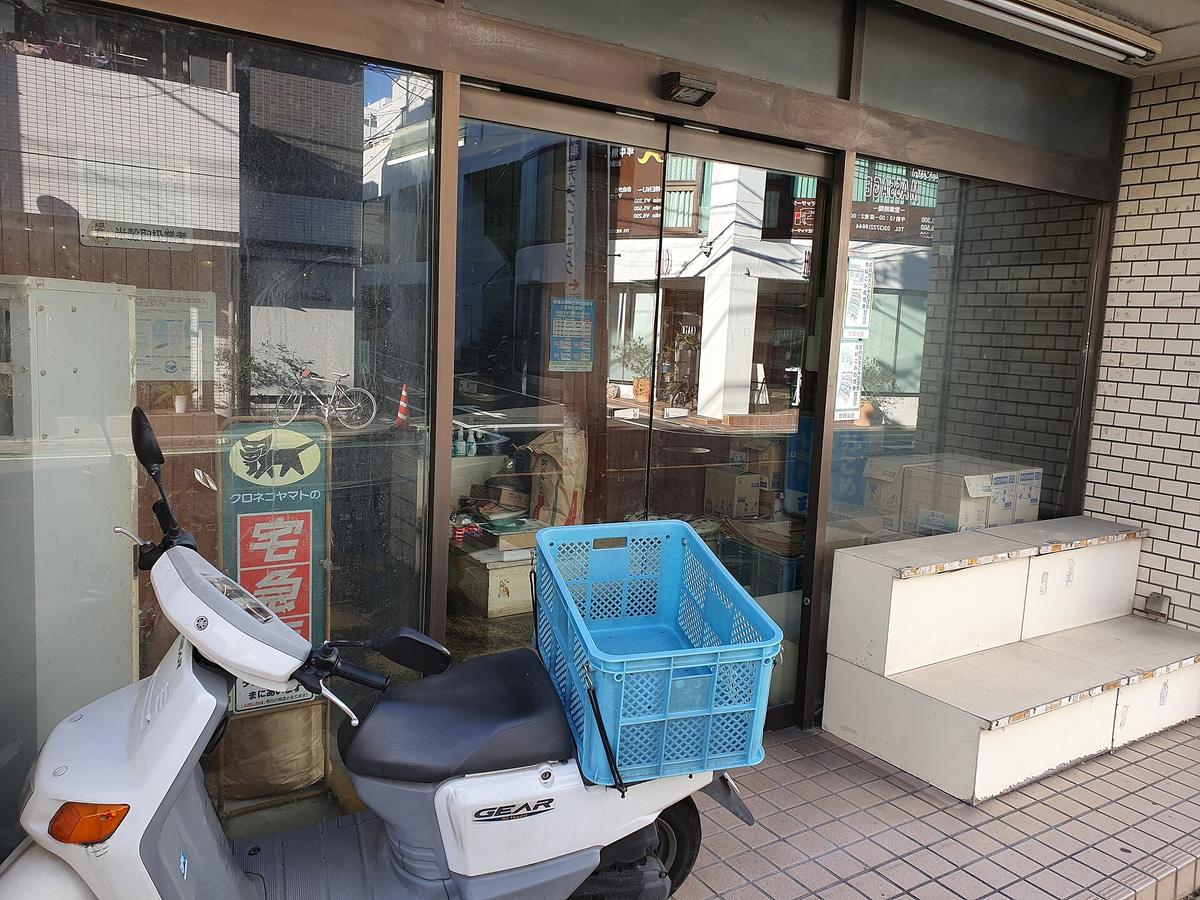

The Patisserie Density is the Appeal, Not the Gimmick
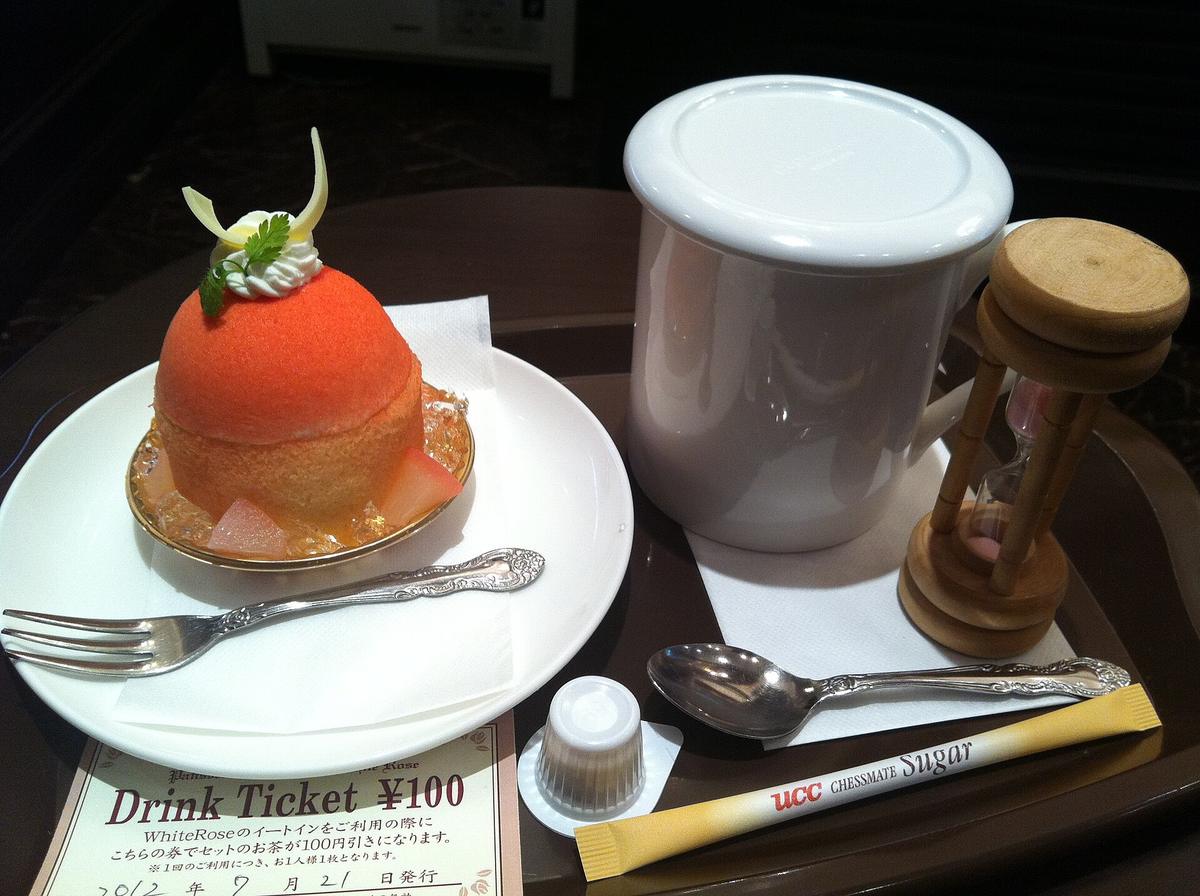
Start at Mont St. Clair, a three-minute walk from the station's south exit. Arrive by 11:00, before the lunch queue forms. Order the Le Mont Blanc, a chestnut cream tower that shifts with the season, and eat it standing at the counter or take it to the small bench seating outside. Do not try to see all 40 patisseries in one visit. Pick three. Mont St. Clair for the technical showpiece, Paris S'eveille for a proper Paris-Brest, and M.koide for a fruit tart that tastes of restraint rather than sugar. The rest you can admire in the windows as you walk.
Marie Claire Street and the alleys branching off it hold the highest concentration of patisseries, but the design shops on Green Street and Gakuen-dori are the reason the area feels like a date destination rather than a sugar warehouse. Today's Special sells kitchen tools and ceramics arranged like museum objects. IDEE SHOP and ACTUS Jiyugaoka sell furniture you will want but cannot ship. Karimoku Commons Tokyo, a showroom for Japanese woodcraft, fills a renovated house and is worth a slow ten-minute walkthrough even if you are not buying a dining table. The browsing rhythm in Jiyugaoka is the same as the eating rhythm: small doses, high quality, no pressure to see everything.
La Vita: The Canal That Takes Five Minutes
La Vita opened in 2005 as a retail complex designed to evoke a Venetian canal. It covers roughly 500 square metres. It contains an artificial canal, a gondola that rarely moves, an arched bridge, and pastel facades. Go. Spend five minutes on it. It is widely described as small, faded, and a photo spot only, which is accurate. The L'Occitane store that anchors the complex is not the draw. The draw is that you can stand on a fake Venetian bridge in suburban Tokyo, admire the commitment of the conceit, and move on with your afternoon. Do not let anyone tell you to skip it. Do not let anyone tell you it is a highlight. It is a punctuation mark.
The Afternoon Ritual That Makes the Neighbourhood Work
Here is the structure for a Jiyugaoka visit that maximises the district's specific strengths and minimises the wandering. Arrive at Jiyugaoka Station around 11:00, exit from the south ticket gate, and walk directly to Mont St. Clair for a pastry and a coffee. By 11:45, cross to Marie Claire Street and walk its full length, entering any patisserie that has a queue of exactly three to five people. More than five and the wait exceeds the reward. Pick up a second pastry for later. By 12:30, head to Green Street to browse Today's Special and IDEE SHOP. At 13:30, walk the five minutes to La Vita. Take your photograph. Enjoy that it took less time than the queue for a Shibuya observation deck. By 14:00, find a bench near the station plaza, eat your second pastry, and decide whether you want to explore the residential streets south of the station toward Kuhonbutsu. These have a calm, tree-lined character absent from the shopping lanes. By 17:00, most shops close, and you should be on a train back toward Shibuya or onward to Yokohama, twenty minutes away by express on the same line.
Who This Day Is Built For
This schedule assumes you are the target visitor: a solo explorer or a couple on a slow-paced date who value patisserie quality and design browsing over landmarks. If you are not that person, Jiyugaoka will feel thin. There is no temple. There is no nightlife. The shopping is small-scale. The whole district is built for people who already have a plan for dinner elsewhere and want a civilised afternoon in a place that feels like the residential quarter of a European town that does not actually exist. That is the appeal. It is also the limitation.
The Practical Reality of a Manufactured Fantasy
Wednesday is the day most shops close, though some close on Tuesday instead. Check individual patisserie hours before you go; the uniformity of a neighbourhood does not extend to its opening days. The best visiting window is 11:00 to 17:00, which covers the overlap of patisserie hours and shop hours. Jiyugaoka Station serves the Tokyu Toyoko Line and the Tokyu Oimachi Line, carrying roughly 98,000 passengers daily on the Tokyu lines alone (FY2023 figure; the rail operator publishes annual passenger counts for each station). The neighbourhood straddles Meguro Ward on the south-west and Setagaya Ward on the south-east, which means it draws from two of Tokyo's wealthier residential wards and the commercial streets reflect that income level. You are not here for bargains. You are here for precise confectionery and well-edited interiors.
The constructed nature of Jiyugaoka's identity is obvious. The French street names, the patisserie density, the Venetian canal: none of it happened organically. It was planned, promoted, and maintained. That honesty is part of what makes it work. Tokyo is a city that builds themed environments at scale, from the maid cafes of Akihabara to the English countryside pastiche of the west Tokyo golf courses, and Jiyugaoka is one of the more successful examples because the theme is edible. The pastry quality at the top shops is not a marketing claim. Mont St. Clair would earn a reputation in Paris or Lyon. That fact, more than the fake canal, is what makes the neighbourhood worth the ride.
.jpg)
| Patisserie | Specialty To Order | Walking Time From Station South Exit |
|---|---|---|
| Mont St. Clair | Le Mont Blanc (chestnut cream) | 3 minutes |
| Paris S'eveille | Paris-Brest (praline cream) | 5 minutes |
| M.koide | Seasonal fruit tart | 7 minutes |
Other areas in Tokyo
- Akihabara
- Asakusa
- Ebisu
- Futako-tamagawa
- Ginza
- Harajuku
- Ikebukuro
- Jimbocho
- Kagurazaka
- Kichijoji
- Kiyosumi-Shirakawa
- Koenji
- Kuramae
- Marunouchi
- Nakameguro
- Nakano
- Nihonbashi
- Ningyocho
- Odaiba
- Omotesando and Aoyama
- Roppongi
- Ryogoku
- Sangenjaya
- Shibamata
- Shibuya
- Shimokitazawa
- Shin-Okubo
- Shinagawa
- Shinjuku
- Sugamo
- Takadanobaba
- Todoroki
- Tsukiji
- Tsukishima
- Ueno
- Yanaka
- Yurakucho and Shinbashi
Common Questions
Is Jiyugaoka worth a dedicated trip from central Tokyo?
Yes, if you care about pastry quality and design browsing. The eight-minute express train from Shibuya makes it a low-stakes detour. Skip it if you want temples, museums, or big shopping malls.
How much time should I budget for Jiyugaoka?
Two to four hours for the target visitor. The non-target visitor will be done in under an hour. The district is compact and the main activity is eating pastry and browsing shops, so you can see its best parts in a focused afternoon.
Is La Vita worth visiting?
Yes, for exactly five minutes. It is small, faded, and purely a photo spot. The canal and gondola are fake. Treat it as a curiosity, not a destination. Entry is free.
What day of the week should I avoid?
Wednesday. Many patisseries and shops close on Wednesday, though some close on Tuesday. Check individual shop schedules before you go. A Monday or Thursday visit is safest.
Read next
-
 Tokyo Hotels by Type and Budget from Capsules to Luxury
Tokyo hotels organised by type and price band, from efficient capsule pods to full-service luxury towers, to help you book the right room.
Tokyo Hotels by Type and Budget from Capsules to Luxury
Tokyo hotels organised by type and price band, from efficient capsule pods to full-service luxury towers, to help you book the right room.
-
 Where to Stay in Tokyo by District and Travel Style
A comparison of Tokyo's major districts to help you choose the right base for your travel style, whether you want calm or chaos.
Where to Stay in Tokyo by District and Travel Style
A comparison of Tokyo's major districts to help you choose the right base for your travel style, whether you want calm or chaos.
-
 Narita or Haneda for Tokyo and What That Airport Choice Costs You
Narita or Haneda for Tokyo: compare door-to-district time, transfer cost, and what the wrong airport choice eats from your trip.
Narita or Haneda for Tokyo and What That Airport Choice Costs You
Narita or Haneda for Tokyo: compare door-to-district time, transfer cost, and what the wrong airport choice eats from your trip.
-
 Things to Do in Tokyo That Are Worth Your Limited Days
A curated list of Tokyo's highest-impact sights and experiences, from immersive art to quiet backstreets, to help you prioritise your days.
Things to Do in Tokyo That Are Worth Your Limited Days
A curated list of Tokyo's highest-impact sights and experiences, from immersive art to quiet backstreets, to help you prioritise your days.
-
 Best Time to Visit Tokyo Month by Month Tradeoffs
A month-by-month guide to visiting Tokyo, laying out the trade-off between weather, crowds, price, and what's actually open.
Best Time to Visit Tokyo Month by Month Tradeoffs
A month-by-month guide to visiting Tokyo, laying out the trade-off between weather, crowds, price, and what's actually open.
-
 Getting Around Tokyo by Train Airport Transfers and IC Cards
A practical guide to Tokyo's rail network, covering airport transfers, IC cards, and how to avoid the station navigation mistakes that eat your day.
Getting Around Tokyo by Train Airport Transfers and IC Cards
A practical guide to Tokyo's rail network, covering airport transfers, IC cards, and how to avoid the station navigation mistakes that eat your day.
-
 Akihabara
 Tokyo guide: electronics, anime, and arcades stacked floor by floor, from Radio Kaikan to the maid cafe touts.
Akihabara
Akihabara Tokyo guide: electronics, anime, and arcades stacked floor by floor, from Radio Kaikan to the maid cafe touts.
-
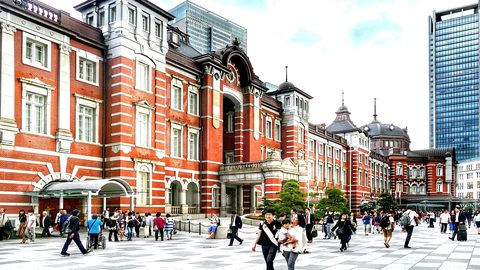 Marunouchi
Staying in Marunouchi puts you steps from Tokyo Station's Shinkansen platforms and Narita Express, trading nightlife buzz for unmatched rail connectivity and wide, quiet weekend boulevards.
Marunouchi
Staying in Marunouchi puts you steps from Tokyo Station's Shinkansen platforms and Narita Express, trading nightlife buzz for unmatched rail connectivity and wide, quiet weekend boulevards.
-
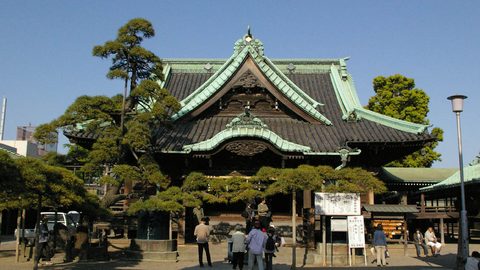 Shibamata
 preserves a 1950s Tokyo on its temple approach street, forever tied to the Tora-san film series and best visited for unagi and old-school snacks.
Shibamata
Shibamata preserves a 1950s Tokyo on its temple approach street, forever tied to the Tora-san film series and best visited for unagi and old-school snacks.