Eating and Drinking on a Student Budget in Takadanobaba, Tokyo
Takadanobaba runs on student economics: towering ramen bowls, standing bars, and shokudo that have fed Waseda for decades.
- Flag
-

- ISO code
- JP
- Currency
- JPY
- Timezone
- Asia/Tokyo
Eating and Drinking on a Student Budget in Takadanobaba, Tokyo
The beer is JPY 250. The skewers are JPY 80. The ramen bowl costs less than a movie ticket. This is Takadanobaba, and it exists as a rebuke to the idea that Tokyo must cost you an arm and a leg. You are standing on the main drag, the five-minute walk from Takadanobaba Station to Waseda University, and every door you pass competes on a single metric: how little can a student spend and still eat well? That competition has produced a neighbourhood that is zero on sightseeing and maximum on value. There is no temple here, no museum, no shopping mall. There are 40 ramen shops within 500 metres of the station, standing bars where the beer is cheaper than your train fare home, and shokudo that have been feeding hungry undergraduates since before those undergraduates were born. If you have come to Tokyo for its high end reputation, turn around. If you have come to eat extraordinarily well for under JPY 1,000, this is the only block you need.
The Ramen Hierarchy: from Big Bowl to Brothless
Build Your Ramen Hit List
Sakaemachi-dori runs perpendicular to the university strip, and the locals call it Ramen Street. That name undersells it. Forty shops in a five minute radius means you could eat a different ramen lunch here every weekday for two months. Do not try to hit all of them. Build a hierarchy instead.
At the top sits Watanabe, which earned a Michelin Bib Gourmand in 2023 for its niboshi ramen: a clear, sardine-boned broth that tastes of the sea and nothing else. Arrive before 11:30 or after 14:00 to avoid the student queue. At the heavy end is Ramen Jiro Mita, a branch of the infamous Mita main shop. Jiro serves a mountain of thick, garlicky pork broth and noodles the width of your thumb. The portion is punishing. Order a small. You will not finish it, and that is the point.
The Middle Course and the Shortcut
For a middle course, Menya Musashi does the tsukemen thing better than most: cold dipper noodles, hot concentrated broth, a slice of chashu that covers the bowl. And for the offbeat option, go to any of the abura soba shops along the avenue. Abura soba is brothless noodles tossed in soy sauce, garlic oil, vinegar and chilli. It costs less than a convenience store bento, takes three minutes to eat, and leaves you exactly as full as a three course meal.

Standing Bars and Student Izaakaya: Where a Night Out Costs JPY 2,000
The Standing Bar Circuit
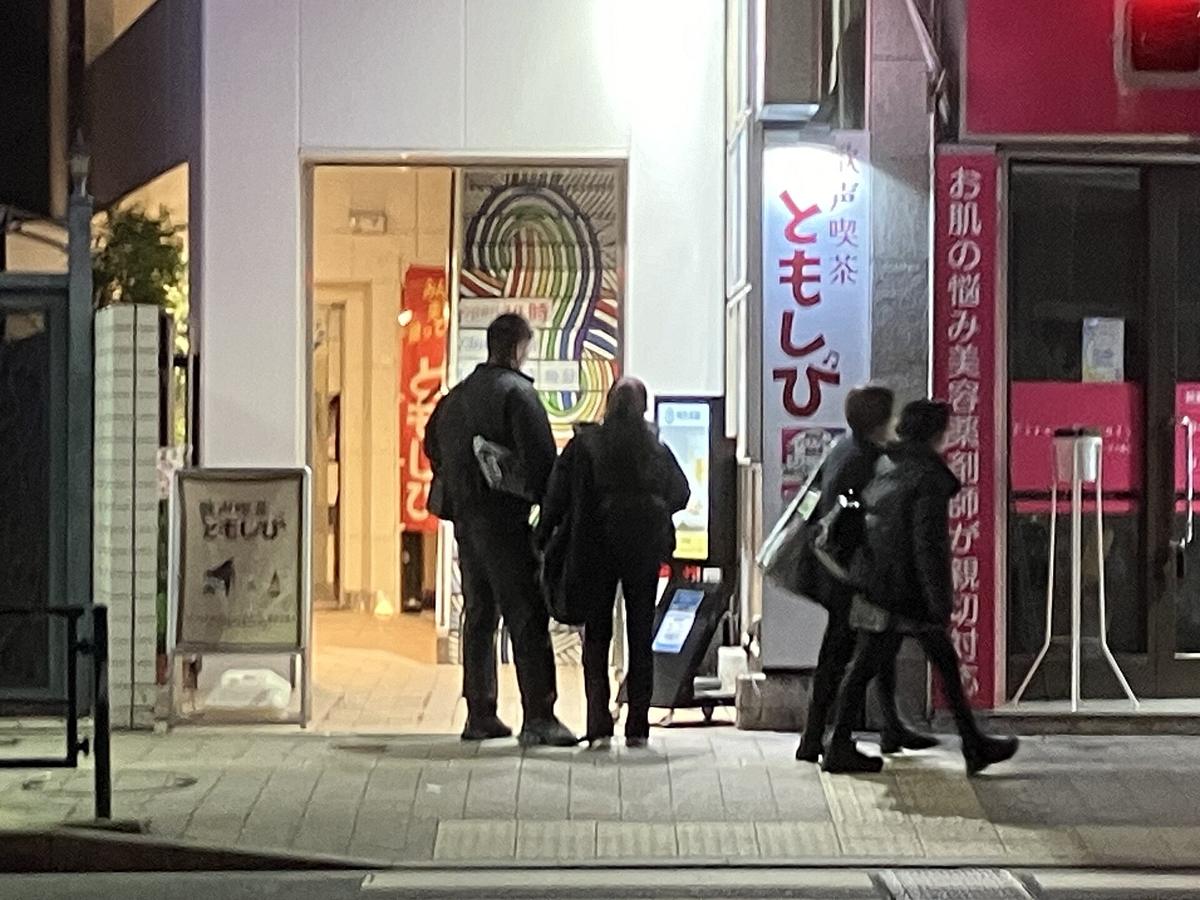
Shokuan-dori runs north of the station, parallel to the main avenue, and this is where the izakaya cluster lives. The formula: a standing bar with no seats, a beer for JPY 250 to JPY 500, and skewers of chicken, pork belly or tsukune for JPY 80 to JPY 200. You do not order. You point. You eat standing. You leave. That rhythm is the point. The bars are too small and too busy for ceremony, and the student clientele treats them like vending machines with atmosphere.
Karaoke as Rest Stop
If you want to sit, the karaoke chains on the main street and Sakaemachi-dori offer weekday daytime free-time packages from JPY 800 to JPY 1,500. The per-thirty-minute rate during the day drops as low as JPY 50. That is less than a single vending machine coffee. You rent a private room, sing badly, and fall asleep on the sofa for the entire afternoon. No one will bother you. The Big Echo branch at Takadanobaba Ekimae is the most convenient. The Manekineko on the university strip is bigger. The Karaoke Kan on Sakaemachi-dori has the best sound systems. Pick whichever is closest. You are here to eat and drink cheap, not to optimise.
The Shokudo That Outlasted Generations
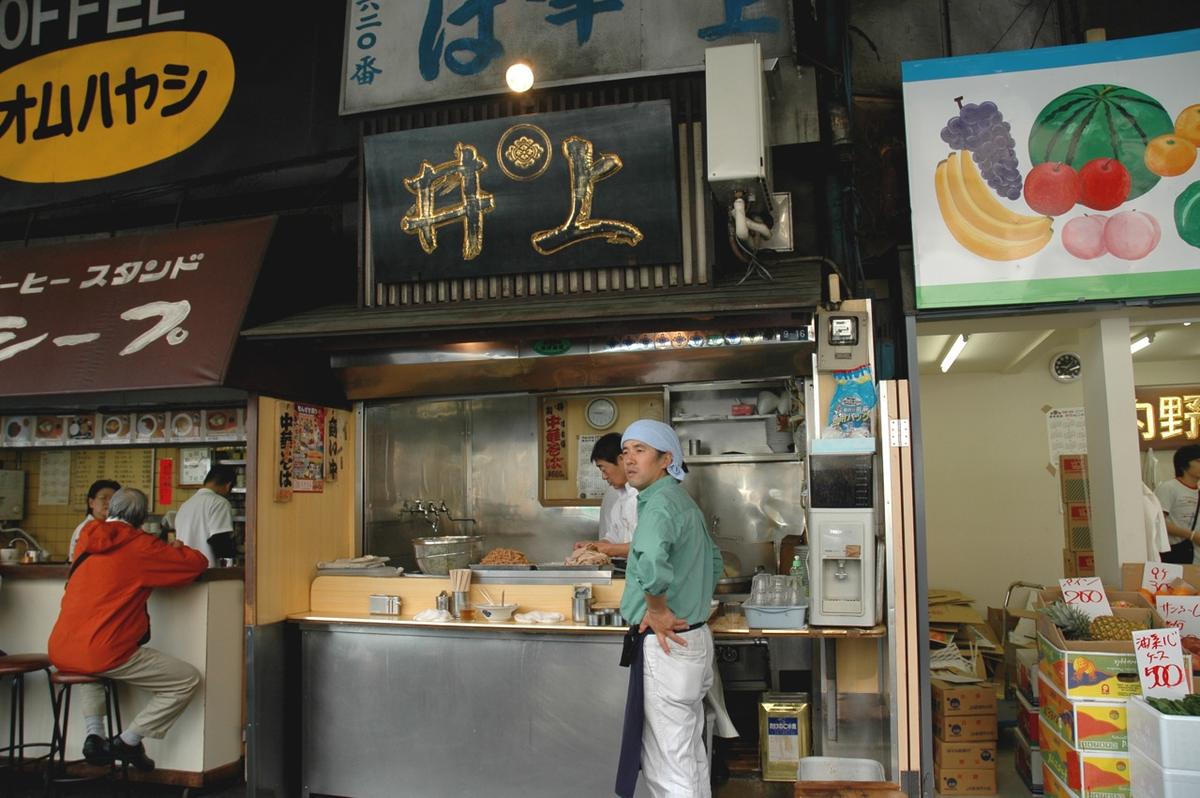
Not every meal requires a search. Some of the best eating in Takadanobaba happens in the shokudo that have been here for decades. These are cafeteria style places with plastic food displays in the window, a ticket machine at the entrance, and a rotating set of set meals. The menu rarely changes. The customers rarely change. You will sit next to a Waseda student who was born the year the shop opened, and neither of you will speak. That is the deal.
The shokudo do not have names that translate well and they do not need Instagram. Look for the ones on the side streets off the university road, the narrow buildings with a red lantern and four stools. If the ticket machine has a button that says "nikomi" (simmered beef tendon) or "saba shio" (salt grilled mackerel), press it. The meal arrives in under three minutes. The rice is bottomless. The miso soup comes with the set. You pay at the ticket machine, cash only. Bring coins.

The Astro Boy Connection and How Not to Get Lost
Find the Mural, Avoid the Maze
Takadanobaba Station plays the theme from Astro Boy as its jingle. Osamu Tezuka, the godfather of manga, located his studio at 1-1-1 Takadanobaba. The building is gone, replaced by a memorial plaque, but the south side of the JR station carries a 2008 mural of Astro Boy and other Tezuka characters. Look for it on the university exit wall. It is a good meeting point because the station itself is a trap.
Takadanobaba serves the JR Yamanote Line, the Seibu Shinjuku Line, and the Tokyo Metro Tozai Line. The passenger count on JR alone was 186,000 per day in fiscal 2023. The station layout is multi company and forces a fare recalculation if you exit through the wrong gate. Use the Japan Official Travel App for offline floor maps. The app is free and more reliable than Google Maps for vertical navigation inside the station. Memorise the name of the exit you need. Waseda-dori exit, south side, is the one that points toward the university and the ramen. Everything else is a mistake.
Other areas in Tokyo
- Akihabara
- Asakusa
- Ebisu
- Futako-tamagawa
- Ginza
- Harajuku
- Ikebukuro
- Jimbocho
- Jiyugaoka
- Kagurazaka
- Kichijoji
- Kiyosumi-Shirakawa
- Koenji
- Kuramae
- Marunouchi
- Nakameguro
- Nakano
- Nihonbashi
- Ningyocho
- Odaiba
- Omotesando and Aoyama
- Roppongi
- Ryogoku
- Sangenjaya
- Shibamata
- Shibuya
- Shimokitazawa
- Shin-Okubo
- Shinagawa
- Shinjuku
- Sugamo
- Todoroki
- Tsukiji
- Tsukishima
- Ueno
- Yanaka
- Yurakucho and Shinbashi
Common Questions
I am a first time Tokyo tourist. Should I visit Takadanobaba?
No. Skip it entirely. This district has zero major sights. It is for budget eaters, ramen hunters and Waseda students. If you are seeing Shibuya, Asakusa and Shinjuku for the first time, spend your limited days there.
How much cash do I need for a night out in Takadanobaba?
JPY 3,000 covers four beers, four skewers and a bowl of ramen. The izakaya and shokudo are cash only. The Manekineko karaoke chain accepts card. Bring coins for the ticket machines.
Which ramen shop should I prioritize if I only have one meal?
Watanabe. It holds a 2023 Michelin Bib Gourmand for niboshi ramen and the queue is shorter than the tourist traps. Arrive before 11:30 or after 14:00. Order the tsukemen if you want dipping noodles.
Is Takadanobaba safe at night?
Yes. The area is dense with students and workers until the last train. The standing bars are loud but not dangerous. The street lighting on Sakaemachi-dori and Shokuan-dori is good. Standard Tokyo caution applies.
Read next
-
 Tokyo Hotels by Type and Budget from Capsules to Luxury
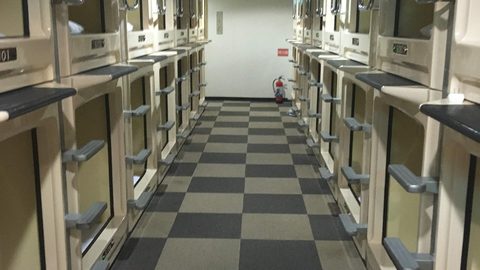
Tokyo hotels organised by type and price band, from efficient capsule pods to full-service luxury towers, to help you book the right room.
Tokyo Hotels by Type and Budget from Capsules to Luxury
Tokyo hotels organised by type and price band, from efficient capsule pods to full-service luxury towers, to help you book the right room.
-
 Where to Stay in Tokyo by District and Travel Style
A comparison of Tokyo's major districts to help you choose the right base for your travel style, whether you want calm or chaos.
Where to Stay in Tokyo by District and Travel Style
A comparison of Tokyo's major districts to help you choose the right base for your travel style, whether you want calm or chaos.
-
 Narita or Haneda for Tokyo and What That Airport Choice Costs You
Narita or Haneda for Tokyo: compare door-to-district time, transfer cost, and what the wrong airport choice eats from your trip.
Narita or Haneda for Tokyo and What That Airport Choice Costs You
Narita or Haneda for Tokyo: compare door-to-district time, transfer cost, and what the wrong airport choice eats from your trip.
-
 Things to Do in Tokyo That Are Worth Your Limited Days
A curated list of Tokyo's highest-impact sights and experiences, from immersive art to quiet backstreets, to help you prioritise your days.
Things to Do in Tokyo That Are Worth Your Limited Days
A curated list of Tokyo's highest-impact sights and experiences, from immersive art to quiet backstreets, to help you prioritise your days.
-
 Best Time to Visit Tokyo Month by Month Tradeoffs
A month-by-month guide to visiting Tokyo, laying out the trade-off between weather, crowds, price, and what's actually open.
Best Time to Visit Tokyo Month by Month Tradeoffs
A month-by-month guide to visiting Tokyo, laying out the trade-off between weather, crowds, price, and what's actually open.
-
 Getting Around Tokyo by Train Airport Transfers and IC Cards
A practical guide to Tokyo's rail network, covering airport transfers, IC cards, and how to avoid the station navigation mistakes that eat your day.
Getting Around Tokyo by Train Airport Transfers and IC Cards
A practical guide to Tokyo's rail network, covering airport transfers, IC cards, and how to avoid the station navigation mistakes that eat your day.
-
 Akihabara
 Tokyo guide: electronics, anime, and arcades stacked floor by floor, from Radio Kaikan to the maid cafe touts.
Akihabara
Akihabara Tokyo guide: electronics, anime, and arcades stacked floor by floor, from Radio Kaikan to the maid cafe touts.
-
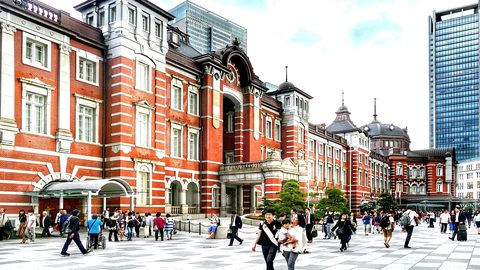 Marunouchi
Staying in Marunouchi puts you steps from Tokyo Station's Shinkansen platforms and Narita Express, trading nightlife buzz for unmatched rail connectivity and wide, quiet weekend boulevards.
Marunouchi
Staying in Marunouchi puts you steps from Tokyo Station's Shinkansen platforms and Narita Express, trading nightlife buzz for unmatched rail connectivity and wide, quiet weekend boulevards.
-
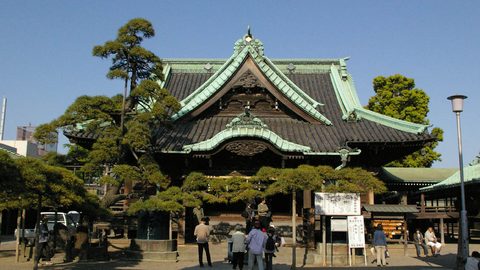 Shibamata
 preserves a 1950s Tokyo on its temple approach street, forever tied to the Tora-san film series and best visited for unagi and old-school snacks.
Shibamata
Shibamata preserves a 1950s Tokyo on its temple approach street, forever tied to the Tora-san film series and best visited for unagi and old-school snacks.