A Walk Through Tokyo's Loudest, Most Addictive Koreatown
Shin-Okubo packs K-pop booths, Korean street snacks and Seoul-level chaos into a single loud strip one Yamanote stop from Shinjuku.
- Flag
-
- ISO code
- JP
- Currency
- JPY
- Timezone
- Asia/Tokyo
Why Brave the Crowd When Shinjuku is a 15 Minute Walk Away
You can stand at the east exit of Shinjuku, look at another neon canyon, and wonder why you would walk 1.2 kilometers north to a narrower, louder, more chaotic version of the same thing. The answer is that Shin-Okubo is not a version of Shinjuku. It is a different country. The street food stalls sell things you cannot find in the neighbouring district. The K-pop stores blast comebacks you have not heard. The cosmetics shops stock brands you have only seen in Korean drama product placements. And the crowd on Okubo-dori on a Saturday afternoon is not a crowd of commuters. It is a crowd of people who came here on purpose, for exactly this. That is rare in Tokyo, and it is the reason you go.
The Two Halves of the Strip and When to Walk Each One
The Idol Strip
Shin-Okubo splits into two experiences that sit on top of each other. The first runs south from the JR stop along Okubo-dori, about 200 meters of cosmetics shops and K-pop merchandise stores. SM Town Store, K-Star, K-Square and K-Pop Mart line the main road and the side alleys within 300 meters of the exit. New release days produce queues of 30 to 90 minutes. Weekend afternoons between 12:00 and 18:00 turn the pavement into a shoulder to shoulder near standstill.
The Food Alley
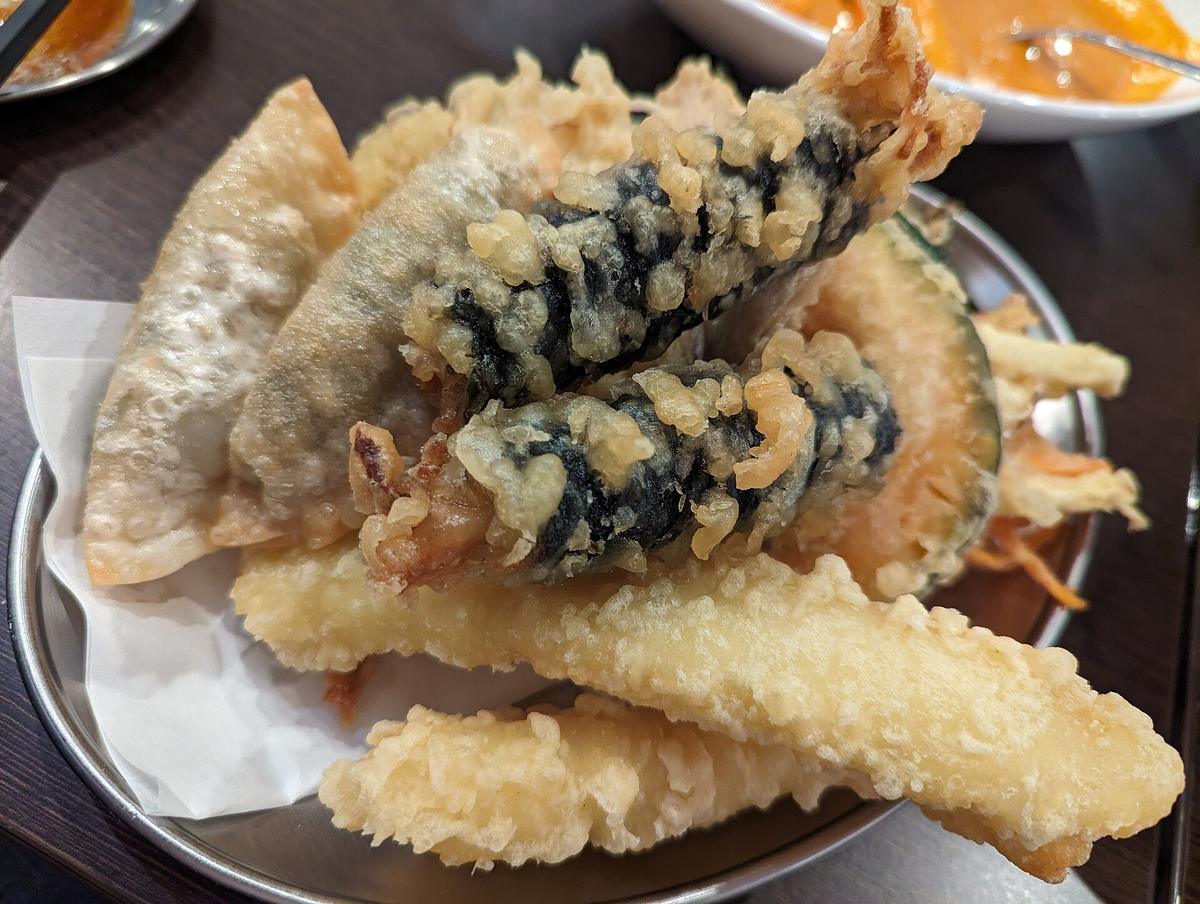
The second half is the food alley, centered on Kankoku Hiroba, the Korean food street that spans roughly 400 meters along Okubo-dori between the station and Hyakunincho 1-chome. Here you queue 20 to 45 minutes on a weekend peak for hotteok, tteokbokki, Korean fried chicken, cheese corn dogs, and kimbap. On a weekday off peak, that queue drops to zero to ten minutes. That is the only calculation that matters for your timing.
Snacks, Cosmetics, and the Stuff You Actually Queue for
A single street food item costs ¥400 to ¥800. That range has not changed dramatically in recent years, but the specific prices at each stall shift annually, so check the board before you join the line. The major Korean cosmetics chain stores present are Olive Young, Aritaum, Tony Moly, Etude House, and Innisfree. Roughly 40 cosmetic shops cluster within 200 meters of the station. Do not expect discount prices. Expect availability of products that are harder to find in mainstream Tokyo drugstores.
The K-Pop Merchandise Circuit
The K-pop goods stores stock physical albums, photocards, light sticks, and limited edition merchandise tied to specific comeback cycles. If you are not buying, the experience is still worth five minutes of sensory overload. The music from rival shops overlaps into a wall of sound that makes Harajuku feel muted.
The Nepalese and Vietnamese Block You Did Not Know Was There
Walk north past the Korean strip into Hyakunincho 2-chome, and the character shifts again. This block, behind the main Korean corridor, holds approximately 30 Nepalese restaurants and approximately 15 Vietnamese restaurants. The exact count varies as businesses open and close each year, so the most current figure comes from local ward business listings rather than any single tourism source. Everest International is the Nepalese grocery store here. Tan Binh is the Vietnamese one.
Why This Block Exists
The presence of these two communities is not an accident. This part of Shinjuku Ward has been a port of entry for successive migrant groups for decades, and the current mix produces a block where you can eat Nepalese momo, Vietnamese pho, and Korean tteokbokki within a three minute walk. Most tourists never cross the invisible line from the Korean strip into this block. That is their loss. It gives you a quieter meal option when the queues on Okubo-dori are too long.
The Timing Decision That Makes or Breaks the Visit
The Weekday Window
Arrive on a weekday afternoon. Arrive before 12:00. The stop is Shin-Okubo on the JR Yamanote Line. From the east exit of Shinjuku, it is a 15 minute walk, 1.2 kilometers, but the train is one stop and faster. Exit the platform and you are one minute from Okubo-dori. The difference between a weekday at 11:00 and a weekend at 14:00 is the difference between a brisk walk and a shuffle. Everything is open the same hours. The food tastes the same. The same cosmetics are on the shelves. The only change is the number of people between you and them.
The Weekend Survival Strategy
If you can only go on a weekend, arrive by 10:00 and leave before 12:00. The crowd builds fast after noon, and by 14:00 the pedestrian density on Okubo-dori is near standstill. Budget for the queue times. The 20 to 45 minute wait for Korean street food stalls at weekend peak is not negotiable, so factor it into your route. Do not attempt to visit both the idol strip and the food alley between 13:00 and 16:00 unless you enjoy standing still in direct sunlight. Do one at 10:00 and the other at 16:30 when the early dinner crowd has not yet arrived.


Who Should Skip This and the Honest Caveat
Shin-Okubo rewards K-pop fans, Korean food enthusiasts, Korean beauty shoppers, and anyone who enjoys a dense ethnic market atmosphere that feels nothing like the rest of Tokyo. It is not for visitors averse to extreme crowding, those seeking traditional Japanese culture, or anyone with mobility constraints during peak hours. The district area is approximately 0.3 square kilometers. There is no room to step aside. The narrow sidewalks do not widen. When the crowd is shoulder to shoulder, you are in it. Go anyway, but go on a Tuesday at 10:30, and you will understand why people endure the weekend crush. The energy is Seoul level chaotic. The reward is hyper specific Korean snacking you cannot get anywhere else in Tokyo. And that is the whole point. Shin-Okubo is not trying to be Japan. It is trying to be itself, and it succeeds.
Other areas in Tokyo
- Akihabara
- Asakusa
- Ebisu
- Futako-tamagawa
- Ginza
- Harajuku
- Ikebukuro
- Jimbocho
- Jiyugaoka
- Kagurazaka
- Kichijoji
- Kiyosumi-Shirakawa
- Koenji
- Kuramae
- Marunouchi
- Nakameguro
- Nakano
- Nihonbashi
- Ningyocho
- Odaiba
- Omotesando and Aoyama
- Roppongi
- Ryogoku
- Sangenjaya
- Shibamata
- Shibuya
- Shimokitazawa
- Shinagawa
- Shinjuku
- Sugamo
- Takadanobaba
- Todoroki
- Tsukiji
- Tsukishima
- Ueno
- Yanaka
- Yurakucho and Shinbashi
Common Questions
How Long Does It Take To Walk From Shinjuku Station To Shin-Okubo?
Approximately 15 minutes from the east exit of Shinjuku, covering 1.2 kilometers. The JR Yamanote Line from Shinjuku to Shin-Okubo is one stop and faster if you are already on the platform.
What Is The Best Time To Visit Shin-Okubo To Avoid Crowds?
Weekday afternoons before 12:00. The queue for top Korean street food stalls drops to zero to ten minutes on a weekday off peak, compared to 20 to 45 minutes on a weekend afternoon. If you can only go on a weekend, arrive by 10:00 and leave before 12:00.
How Much Does Street Food Cost In Shin-Okubo?
Between ¥400 and ¥800 per item. This range is revised annually, so check the price board at each stall before ordering. Signature items include hotteok, tteokbokki, Korean fried chicken, cheese corn dogs, and kimbap.
Which K-Pop Stores Are In Shin-Okubo?
The major stores are K-Star, K-Square, SM Town Store, and K-Pop Mart. They are clustered on Okubo-dori and the side alleys within 300 meters of Shin-Okubo Station. On new release days, queue times range from 30 to 90 minutes.
Is There Nepalese Or Vietnamese Food In Shin-Okubo?
Yes. Approximately 30 Nepalese restaurants and approximately 15 Vietnamese restaurants are concentrated in Hyakunincho 2-chome, north of Okubo-dori behind the Korean strip. The exact number changes yearly; check local ward listings for current figures. Everest International is the Nepalese grocery store and Tan Binh is the Vietnamese grocery store.
Read next
-
 Tokyo Hotels by Type and Budget from Capsules to Luxury
Tokyo hotels organised by type and price band, from efficient capsule pods to full-service luxury towers, to help you book the right room.
Tokyo Hotels by Type and Budget from Capsules to Luxury
Tokyo hotels organised by type and price band, from efficient capsule pods to full-service luxury towers, to help you book the right room.
-
 Where to Stay in Tokyo by District and Travel Style
A comparison of Tokyo's major districts to help you choose the right base for your travel style, whether you want calm or chaos.
Where to Stay in Tokyo by District and Travel Style
A comparison of Tokyo's major districts to help you choose the right base for your travel style, whether you want calm or chaos.
-
 Narita or Haneda for Tokyo and What That Airport Choice Costs You
Narita or Haneda for Tokyo: compare door-to-district time, transfer cost, and what the wrong airport choice eats from your trip.
Narita or Haneda for Tokyo and What That Airport Choice Costs You
Narita or Haneda for Tokyo: compare door-to-district time, transfer cost, and what the wrong airport choice eats from your trip.
-
 Things to Do in Tokyo That Are Worth Your Limited Days
A curated list of Tokyo's highest-impact sights and experiences, from immersive art to quiet backstreets, to help you prioritise your days.
Things to Do in Tokyo That Are Worth Your Limited Days
A curated list of Tokyo's highest-impact sights and experiences, from immersive art to quiet backstreets, to help you prioritise your days.
-
 Best Time to Visit Tokyo Month by Month Tradeoffs
A month-by-month guide to visiting Tokyo, laying out the trade-off between weather, crowds, price, and what's actually open.
Best Time to Visit Tokyo Month by Month Tradeoffs
A month-by-month guide to visiting Tokyo, laying out the trade-off between weather, crowds, price, and what's actually open.
-
 Getting Around Tokyo by Train Airport Transfers and IC Cards
A practical guide to Tokyo's rail network, covering airport transfers, IC cards, and how to avoid the station navigation mistakes that eat your day.
Getting Around Tokyo by Train Airport Transfers and IC Cards
A practical guide to Tokyo's rail network, covering airport transfers, IC cards, and how to avoid the station navigation mistakes that eat your day.
-
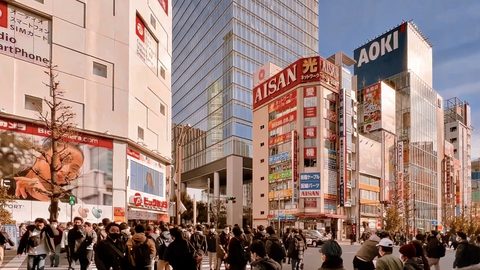 Akihabara
 Tokyo guide: electronics, anime, and arcades stacked floor by floor, from Radio Kaikan to the maid cafe touts.
Akihabara
Akihabara Tokyo guide: electronics, anime, and arcades stacked floor by floor, from Radio Kaikan to the maid cafe touts.
-
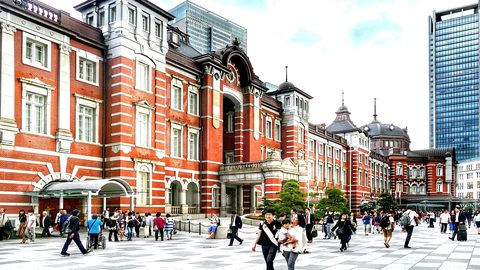 Marunouchi
Staying in Marunouchi puts you steps from Tokyo Station's Shinkansen platforms and Narita Express, trading nightlife buzz for unmatched rail connectivity and wide, quiet weekend boulevards.
Marunouchi
Staying in Marunouchi puts you steps from Tokyo Station's Shinkansen platforms and Narita Express, trading nightlife buzz for unmatched rail connectivity and wide, quiet weekend boulevards.
-
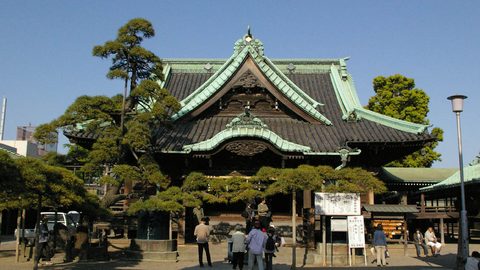 Shibamata
 preserves a 1950s Tokyo on its temple approach street, forever tied to the Tora-san film series and best visited for unagi and old-school snacks.
Shibamata
Shibamata preserves a 1950s Tokyo on its temple approach street, forever tied to the Tora-san film series and best visited for unagi and old-school snacks.