Eating Grilled Chicken and Drinking Highballs Beneath the Yamanote Line Girders
Yurakucho's brick-arch yakitori alleys under the JR tracks and Shinbashi's salaryman bar density form Tokyo's most concentrated after-work eating zone.
- Flag
-
- ISO code
- JP
- Currency
- JPY
- Timezone
- Asia/Tokyo
Eating Grilled Chicken and Drinking Highballs Beneath the Yamanote Line Girders
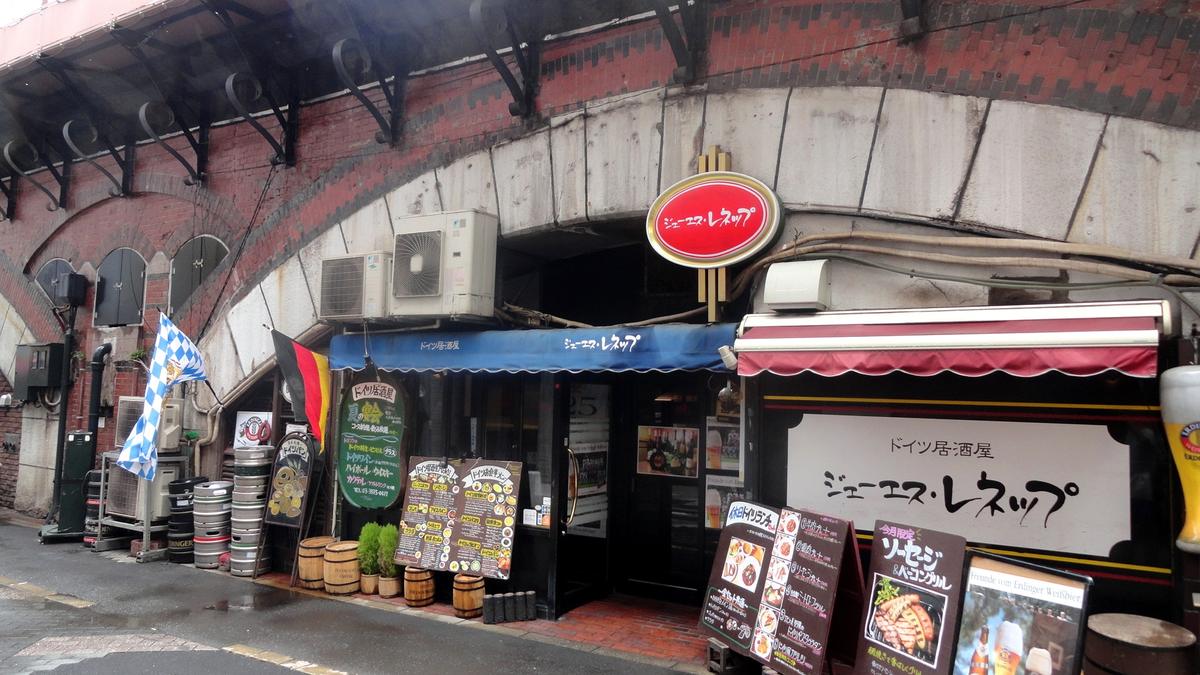
The smoke hits you before the train noise does. At 18:30 on a Tuesday the arches beneath the Yamanote Line tracks between Yurakucho and Shinbashi are a continuous curtain of charcoal haze, each brick arch exhaling the smell of grilled chicken skin and soy marinade onto the pavement. This is gado-shita, the under-girder zone, and it is split into two distinct experiences separated by a single four-lane road called Sotobori dori. Eat in both. You just need to know which half does what.
The Yurakucho Side: Heritage Arches and Post-War Yakitori
Yurakucho Sanchoku Yokocho
Yurakucho's gado-shita runs roughly 500 metres north from the station, a stretch of 70 to 80 arches that trace back to the original 1910 viaduct. The official name is Yurakucho Sanchoku Yokocho. Nobody calls it that. Navigate by smoke density and queue length. The joints here are tiny five-to-ten-seat counters with two-metre counters and a single grill. Cash is the rule at almost all of them, though a handful now accept Suica or PayPay under pressure from younger customers. Check the door curtain before you sit; if it says cash only and you have no yen, move on.
What to Order and How to Pay
This side serves yakitori skewers for ¥100 to ¥350 each, depending on the cut and whether the restaurant uses a premium breed of chicken. The essential order is a mix of thigh (momo), skin (kawa), and liver (rebā), plus a highball for ¥350 to ¥550 or a draft beer for ¥400 to ¥650. Order verbally at the counter, pay per round, and do not get a tab. A place like Akiyoshi has been doing this since the post-war black market era and the formula has not changed: charcoal grill, old master, no English menu, no photos on the wall. Point at what the person next to you is eating.
The Crowd and the Vibe
The customer mix is wider here than on the Shinbashi side. You get Ginza shoppers in smart coats, couples on date nights, tourists with smartphones, and office workers who walked over because Yurakucho feels more accessible. It is lively but not rowdy. The open-air aspect means you can stand outside an arch and decide in five seconds whether the vibe works. If the smoke stings your eyes at street level, the grill is active.
.jpg)
The Shinbashi Side: Salaryman Territory and Standing Bars
SL Square and the After-Work Ritual
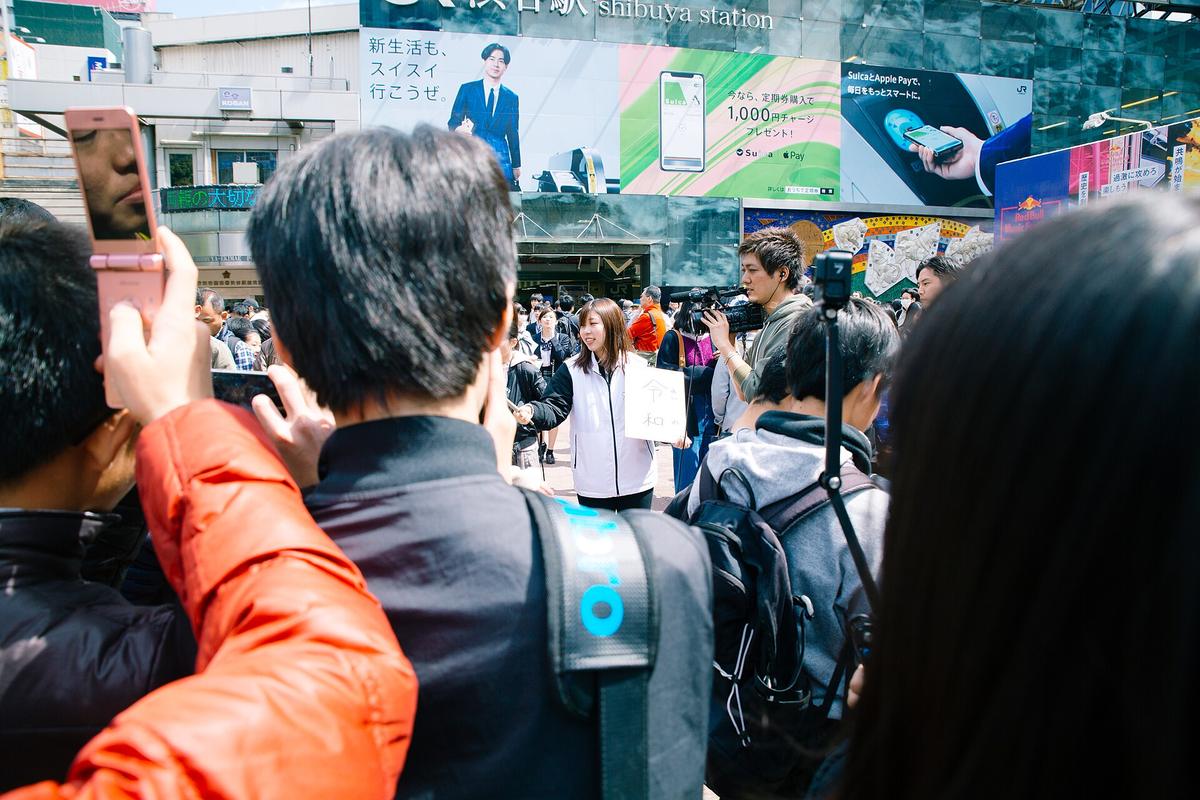
Cross Sotobori dori east and you enter Shinbashi. The same viaduct continues for another 300 metres south of Shinbashi Station, here called Shinbashi Yokocho, but the atmosphere flips hard. This is salaryman country. The crowd is predominantly male office workers in business attire, groups of three to ten, meeting at SL Square by the west exit of JR Shinbashi Station. The square's official name is SL Hiroba and the landmark is a C11 292 steam locomotive built in 1945 and installed here in 1972. On weekdays from 17:00 to 18:30 this square is shoulder to shoulder with men holding beers, waiting for their colleagues to arrive before migrating into the arches.
Standing Bars and Peak Hours
Shinbashi's bars lean even smaller and more utilitarian than Yurakucho's. Standing bars are the dominant format: no cover charge, no compulsory appetiser, just a counter and a rail where you stand and drink fast. A highball costs the same ¥350 to ¥550 range but the atmosphere is denser and louder. The after-work peak hits 18:30 to 20:30, and last orders land between 22:30 and 23:00. Sunday and public holidays are quiet, with many venues closed entirely. Saturday is moderate. For the full spectacle, come Monday through Friday.
Shinbashi's side streets off Sotobori dori are packed with chain izakaya alongside the independent standing bars. The Shinbashi Ekimae Building 1 and 2 add another layer of small-floor restaurants. The difference from Yurakucho is volume over heritage. You do not come here for the story of the post-war black market. You come because the density of choice is absurd: 200 to 250 bars and restaurants across both sides of the viaduct, and the Shinbashi half has more of them per square metre.
How to Crawl Both Sides in One Evening
The Route
Start at Yurakucho Station, Yamanote Line or Keihin Tohoku Line. Exit toward the Marui department store and BicCamera, then walk south along the viaduct. Hit two or three arches on the Yurakucho side between 17:30 and 18:30. The smoke is building but the crowds have not peaked yet. Pay cash, eat standing, drink one round per stop. Do not sit down at a table seat; that wastes the speed that makes this area work.
Cross Sotobori dori at the pedestrian crossing just south of the viaduct around 19:00. Walk through SL Square to see the gathering crowd around the locomotive, then enter the Shinbashi arches. You have until 20:30 for the full peak energy. After that the groups start thinning and the standing bars shift toward last-orders mode. If you want to eat without shouting, go earlier. To see Tokyo's office culture at its most unguarded, hit the Shinbashi side at 19:00 exactly.
Cash and Who Should Skip It
Plan for cash. Most gado-shita bars remain cash only, though the number accepting Suica and PayPay rises each year. The Tokyo Chuo City tourism office publishes the official figure. Check their site before you go. The safe bet is to bring cash per person and treat any electronic payment as a bonus.
This zone is not for everyone. Skip it if quiet spacious dining matters to you, if you are a teetotaller, if you have children under about ten years old after 18:00, or if you find standing in crowded smoke uncomfortable. It is ideal for solo explorers who want a low-cost high-atmosphere meal, for anyone curious about how Tokyo works after the office lights go out, and for repeat visitors who already know Asakusa and Shibuya.
.jpg)
The One Rule That Makes This Work
Do not treat Yurakucho and Shinbashi as interchangeable. Start on the Yurakucho side for the heritage joints that date to the post-war black market. Eat two skewers and a highball at a place like Akiyoshi. Then cross the road and finish on the Shinbashi side for the sheer density of standing bars and the spectacle of SL Square at 19:00 on a Tuesday. That sequence gives you both the story and the energy. Walking the viaduct at 18:30 on a weekday with cash and no fixed plan is the correct move.
Other areas in Tokyo
- Akihabara
- Asakusa
- Ebisu
- Futako-tamagawa
- Ginza
- Harajuku
- Ikebukuro
- Jimbocho
- Jiyugaoka
- Kagurazaka
- Kichijoji
- Kiyosumi-Shirakawa
- Koenji
- Kuramae
- Marunouchi
- Nakameguro
- Nakano
- Nihonbashi
- Ningyocho
- Odaiba
- Omotesando and Aoyama
- Roppongi
- Ryogoku
- Sangenjaya
- Shibamata
- Shibuya
- Shimokitazawa
- Shin-Okubo
- Shinagawa
- Shinjuku
- Sugamo
- Takadanobaba
- Todoroki
- Tsukiji
- Tsukishima
- Ueno
- Yanaka
Frequently Asked Questions
Are the Yurakucho and Shinbashi gado-shita sections connected under the tracks?
Not directly. Sotobori dori cuts between them at street level. The viaduct is continuous, but the pedestrian route crosses the road. You walk outside, not under the arches the whole way.
Can I use a credit card at the yakitori stalls?
Almost no arch joint accepts credit cards. Cash dominates. Some take Suica or PayPay, but that changes annually. Bring cash per person and treat card acceptance as a surprise bonus.
What time should I arrive for the best atmosphere?
18:30 to 20:30 on a weekday is the peak. Arrive by 18:00 to grab a counter spot before the office crowds fill every seat. Sunday and public holidays are much quieter with many places closed.
Which side is better for solo diners?
Both work, but Yurakucho is more accessible for first-timers. The crowd is more mixed, the atmosphere is less intimidating, and the open-air layout lets you browse without committing. Shinbashi is denser and rowdier.
Read next
-
 Tokyo Hotels by Type and Budget from Capsules to Luxury
Tokyo hotels organised by type and price band, from efficient capsule pods to full-service luxury towers, to help you book the right room.
Tokyo Hotels by Type and Budget from Capsules to Luxury
Tokyo hotels organised by type and price band, from efficient capsule pods to full-service luxury towers, to help you book the right room.
-
 Where to Stay in Tokyo by District and Travel Style
A comparison of Tokyo's major districts to help you choose the right base for your travel style, whether you want calm or chaos.
Where to Stay in Tokyo by District and Travel Style
A comparison of Tokyo's major districts to help you choose the right base for your travel style, whether you want calm or chaos.
-
 Narita or Haneda for Tokyo and What That Airport Choice Costs You
Narita or Haneda for Tokyo: compare door-to-district time, transfer cost, and what the wrong airport choice eats from your trip.
Narita or Haneda for Tokyo and What That Airport Choice Costs You
Narita or Haneda for Tokyo: compare door-to-district time, transfer cost, and what the wrong airport choice eats from your trip.
-
 Things to Do in Tokyo That Are Worth Your Limited Days
A curated list of Tokyo's highest-impact sights and experiences, from immersive art to quiet backstreets, to help you prioritise your days.
Things to Do in Tokyo That Are Worth Your Limited Days
A curated list of Tokyo's highest-impact sights and experiences, from immersive art to quiet backstreets, to help you prioritise your days.
-
 Best Time to Visit Tokyo Month by Month Tradeoffs
A month-by-month guide to visiting Tokyo, laying out the trade-off between weather, crowds, price, and what's actually open.
Best Time to Visit Tokyo Month by Month Tradeoffs
A month-by-month guide to visiting Tokyo, laying out the trade-off between weather, crowds, price, and what's actually open.
-
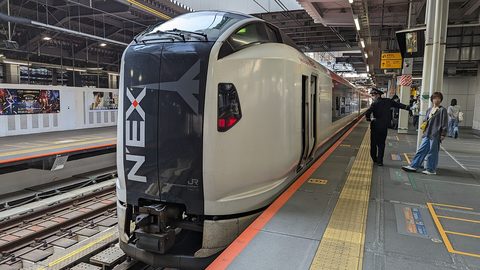 Getting Around Tokyo by Train Airport Transfers and IC Cards
A practical guide to Tokyo's rail network, covering airport transfers, IC cards, and how to avoid the station navigation mistakes that eat your day.
Getting Around Tokyo by Train Airport Transfers and IC Cards
A practical guide to Tokyo's rail network, covering airport transfers, IC cards, and how to avoid the station navigation mistakes that eat your day.
-
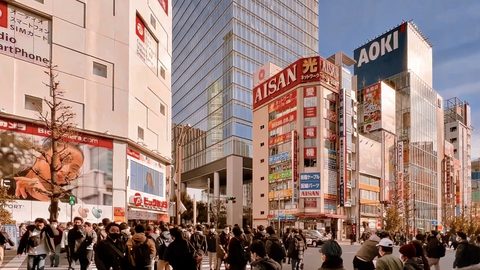 Akihabara
 Tokyo guide: electronics, anime, and arcades stacked floor by floor, from Radio Kaikan to the maid cafe touts.
Akihabara
Akihabara Tokyo guide: electronics, anime, and arcades stacked floor by floor, from Radio Kaikan to the maid cafe touts.
-
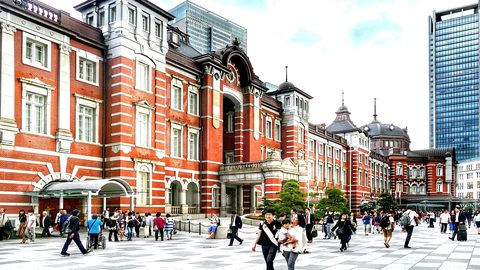 Marunouchi
Staying in Marunouchi puts you steps from Tokyo Station's Shinkansen platforms and Narita Express, trading nightlife buzz for unmatched rail connectivity and wide, quiet weekend boulevards.
Marunouchi
Staying in Marunouchi puts you steps from Tokyo Station's Shinkansen platforms and Narita Express, trading nightlife buzz for unmatched rail connectivity and wide, quiet weekend boulevards.
-
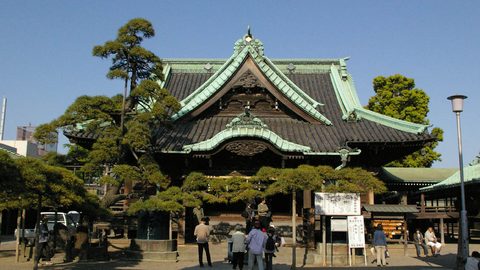 Shibamata
 preserves a 1950s Tokyo on its temple approach street, forever tied to the Tora-san film series and best visited for unagi and old-school snacks.
Shibamata
Shibamata preserves a 1950s Tokyo on its temple approach street, forever tied to the Tora-san film series and best visited for unagi and old-school snacks.