Descending into Todoroki Ravine, a Tokyo Walk That Forgets the City
Todoroki Valley is Tokyo's only natural ravine, a short walk where bamboo, water, and birds replace the city entirely.
- Flag
-

- ISO code
- JP
- Currency
- JPY
- Timezone
- Asia/Tokyo
Descending Into Todoroki Ravine, a Tokyo Walk That Forgets the City
The question sounds like a trick. Can you find a walking path in Tokyo where every visible and audible trace of the city disappears? Not a park with traffic hum beyond the treeline. Not a garden with a skyscraper poking above the pines. A genuine ravine where the only sounds are water, birds and bamboo rustle. The answer is yes, and it is not a secret.
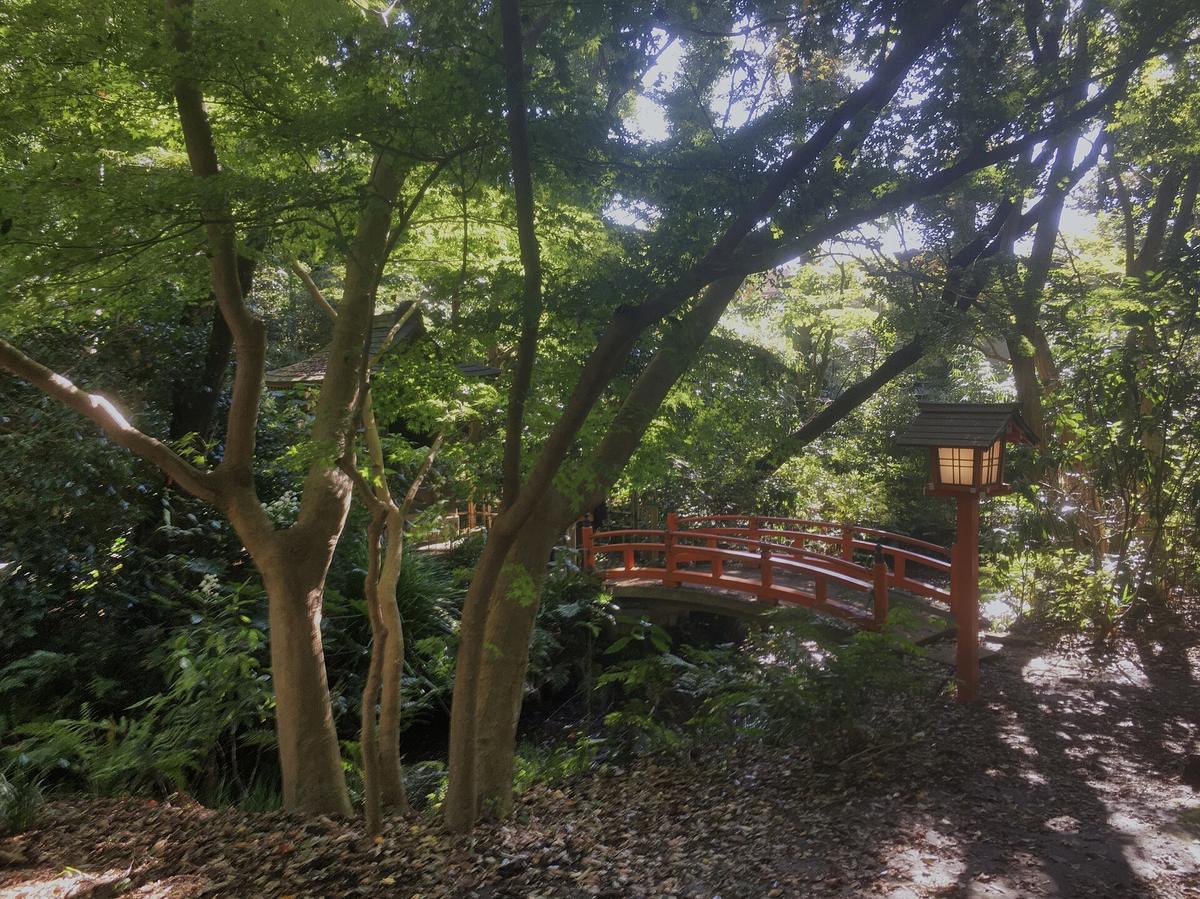
Todoroki Valley is a 1.0 km paved path that follows the Yazawa River through a forested cut in the earth. Enter from a residential street in Setagaya, descend a short flight of steps, and within moments the street noise stops. What replaces it is a microclimate. The ravine stays several degrees cooler than the plateau above. The valley walls block sightlines to buildings. The path is short, about 45 to 90 minutes for the walk, the temple and the tea house, but that is the point. This is not a hike. It is a sensory switch you flip in under a minute.

How the Walk Unfolds from Station to Temple
Getting to the Trailhead
Start at Todoroki Station on the Tokyu Oimachi Line. From Shibuya it costs ¥210 and takes about 20 minutes via Jiyugaoka, where you change trains for the final two stops. Exit the station and walk south on Todoroki dori, a shopping street of about 15 to 20 shops. The bakery Todoroki Pan has been operating here since 1955. Grab a roll for later. The street ends at the valley entrance at coordinates 35.6050° N, 139.6501° E.
The path is paved but has steps in sections. The elevation change is modest, about 10 to 15 metres total, but the steps are unavoidable. If mobility is a concern, this walk is not suited. The surface is fine for steady walkers in trainers. Stay on the path. The Yazawa River runs beside you the whole way, shallow enough that you hear it before you see it.
The Temple and Tea House
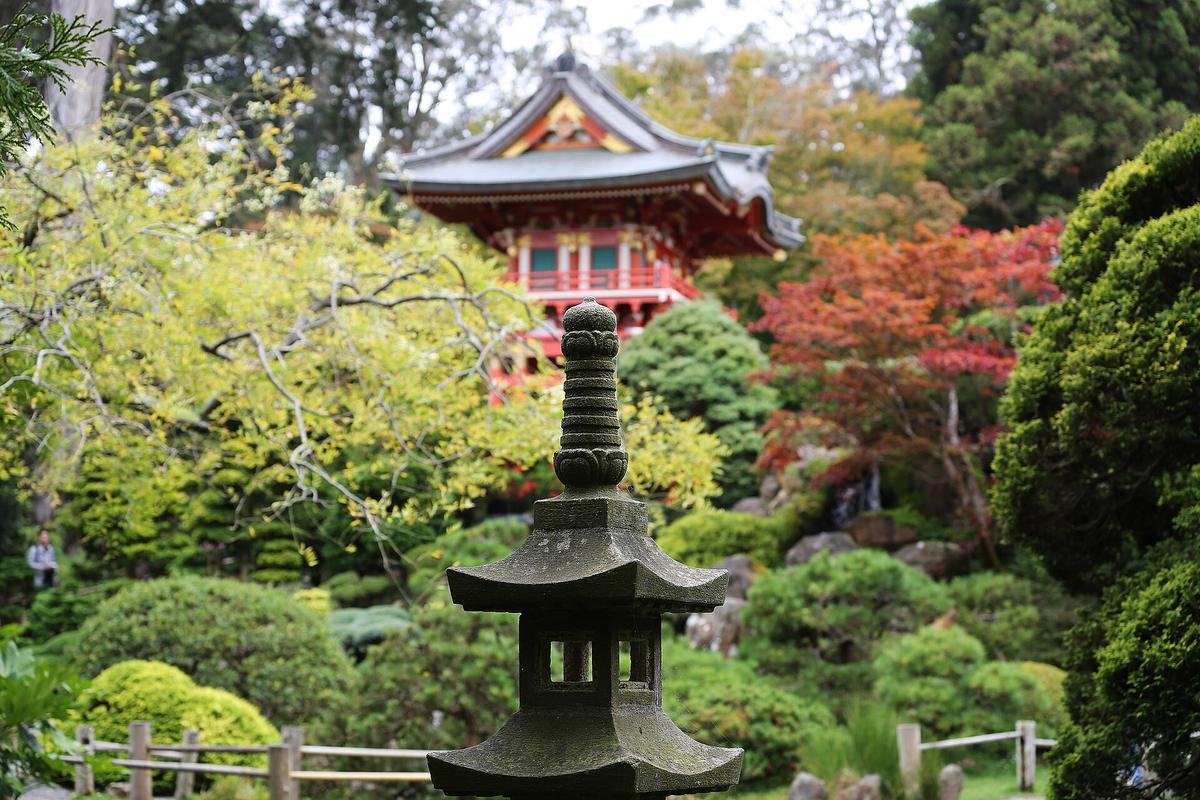
At the far end of the ravine you reach Todoroki Fudoson, also known as Mangan ji. The temple dates from the early Heian period, approximately 806 to 810 CE, though the founding date is debated. Check the temple's own website for the year they recognise. The grounds include a garden called Todoroki Keikoku en, about 1,200 square metres of landscaped planting around a pond. Next to the garden is the tea house Setsugetsuka, which offers a matcha and wagashi set for ¥700 to ¥1,200. Those prices are from 2024. The Japan Tea Association or the temple's own noticeboard will have the current rates. The tea house has tatami seating that looks out onto the garden. It is open 10:00 to 16:00, closed Mondays and occasionally Tuesdays. These hours shift seasonally. Confirm before you go.
Extending the Walk Through Oyamadai’s Residential Lanes
The ravine walk alone is too short to justify a trip from central Tokyo. Do not make it your sole destination. Pair it with something else. The standard recommendation is Jiyugaoka, three minutes back toward Shibuya, for its boutiques and cafes. Or Futako Tamagawa, seven minutes the other direction, for riverfront shopping.
A better extension, if you want to keep the quiet mood, is to walk from the temple exit through Oyamadai's residential streets. These are the silent backstreets that define Tokyo beyond the guidebook maps. No shopping street. No nightlife. No cultural venues. Just leafy lanes, detached houses with careful gardens, and the occasional cat. This walk has no set route. Head west from the temple for about 20 minutes and you loop back toward Todoroki Station through a part of Setagaya that most visitors never see.
Who This Walk is for and Who Should Skip it
Who Should Go
This walk suits the solo explorer who has already spent three days on the big sights. It suits the repeat visitor who wants evidence that Tokyo contains pockets of deep green silence, not just manicured parks. It suits the efficiency nerd who appreciates that a 20 minute train ride from Shibuya produces a complete change of context.
Who Should Stay Away
It does not suit the first time visitor with four days in Tokyo. Those days belong to Meiji Jingu, Senso ji, the scramble crossing and one good market morning. It does not suit shoppers, nightlife seekers or anyone with mobility issues. The walk is 1 km with steps, and the Todoroki district has no shopping, no dining cluster and no cultural venues beyond the temple. If you need a meal after the tea house, the options are the bakery and a few small cafes on Todoroki dori. Plan accordingly.
The standalone justification for a trip is no. The walk is too short. But as a 90 minute pause inserted into a day spent in Jiyugaoka or Nakameguro, it is the best proof you will find that Tokyo can forget the city.
_(TK7).JPG)
| Starting Station | Travel Time | Adult IC Fare (2024) | Line |
|---|---|---|---|
| Shibuya | 20 min | ¥210 | Tokyu Oimachi (change at Jiyugaoka) |
| Jiyugaoka | 3 min (2 stops) | ¥140 | Tokyu Oimachi |
| Futako-Tamagawa | 7 min (4 stops) | ¥180 | Tokyu Oimachi |
The One Thing to Do Before You Go
Confirm the tea house is open. Check the temple website or call the Setagaya City tourism office on the morning you plan to visit. The Mondays and occasional Tuesday closures change without notice. A tea house that is shut does not ruin the walk, but it removes the obvious place to sit and listen to the ravine. Without that stop, the visit drops to 30 minutes. And 30 minutes is not enough time to prove to yourself that Tokyo can be this quiet.
Other areas in Tokyo
- Akihabara
- Asakusa
- Ebisu
- Futako-tamagawa
- Ginza
- Harajuku
- Ikebukuro
- Jimbocho
- Jiyugaoka
- Kagurazaka
- Kichijoji
- Kiyosumi-Shirakawa
- Koenji
- Kuramae
- Marunouchi
- Nakameguro
- Nakano
- Nihonbashi
- Ningyocho
- Odaiba
- Omotesando and Aoyama
- Roppongi
- Ryogoku
- Sangenjaya
- Shibamata
- Shibuya
- Shimokitazawa
- Shin-Okubo
- Shinagawa
- Shinjuku
- Sugamo
- Takadanobaba
- Tsukiji
- Tsukishima
- Ueno
- Yanaka
- Yurakucho and Shinbashi
Common Questions
Is Todoroki Valley open 24 hours?
The valley path is un gated and open 24 hours. The temple grounds and tea house are not. The temple opens approximately 9:00 to 17:00, varying by season. The tea house opens 10:00 to 16:00 but is closed Mondays and occasional Tuesdays. Arrive in the late morning to have time for both.
How long does the Todoroki Valley walking path take?
A visit covering the walk, the temple garden and a tea house stop takes 45 to 90 minutes. The path itself is about 1.0 km. You can walk it in 15 minutes without stopping, but there is no reason to rush.
What is the easiest way to get to Todoroki Valley from Shibuya?
Take the Tokyu Toyoko Line from Shibuya to Jiyugaoka. Change there to the Tokyu Oimachi Line and ride two stops to Todoroki Station. Total travel time is about 20 minutes. The fare is ¥210 on IC card, as of 2024. Confirm the current fare with Tokyu Railway.
Can I visit Todoroki Valley without using stairs?
No. The path has steps in several sections and the entrance requires a staircase. The elevation change is only about 10 to 15 metres, but the steps are unavoidable. This walk is not suited for anyone with mobility concerns.
What is there to eat near Todoroki Valley?
The tea house Setsugetsuka serves a matcha and wagashi set. On Todoroki dori, the bakery Todoroki Pan has been operating since 1955. There are also a few small cafes and a local greengrocer. For a full meal, take the train three minutes to Jiyugaoka or seven minutes to Futako Tamagawa.
Is Todoroki Valley worth visiting in autumn?
Yes, late November is a peak season for the valley. The foliage along the ravine colours the path. The temple garden also has autumn colour. The same caution applies: it is still a 1 km walk, so pair it with a neighbouring district.
How much does the Todoroki Valley tea house cost?
The matcha and wagashi set at Setsugetsuka cost between ¥700 and ¥1,200 per set in 2024. The Japan Tea Association or the tea house itself publishes the current pricing. The tea house is closed on Mondays and occasional Tuesdays.
Read next
-
 Tokyo Hotels by Type and Budget from Capsules to Luxury
Tokyo hotels organised by type and price band, from efficient capsule pods to full-service luxury towers, to help you book the right room.
Tokyo Hotels by Type and Budget from Capsules to Luxury
Tokyo hotels organised by type and price band, from efficient capsule pods to full-service luxury towers, to help you book the right room.
-
 Where to Stay in Tokyo by District and Travel Style
A comparison of Tokyo's major districts to help you choose the right base for your travel style, whether you want calm or chaos.
Where to Stay in Tokyo by District and Travel Style
A comparison of Tokyo's major districts to help you choose the right base for your travel style, whether you want calm or chaos.
-
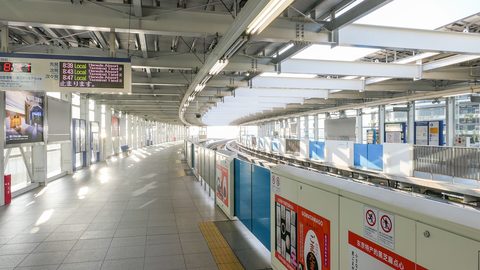 Narita or Haneda for Tokyo and What That Airport Choice Costs You
Narita or Haneda for Tokyo: compare door-to-district time, transfer cost, and what the wrong airport choice eats from your trip.
Narita or Haneda for Tokyo and What That Airport Choice Costs You
Narita or Haneda for Tokyo: compare door-to-district time, transfer cost, and what the wrong airport choice eats from your trip.
-
 Things to Do in Tokyo That Are Worth Your Limited Days
A curated list of Tokyo's highest-impact sights and experiences, from immersive art to quiet backstreets, to help you prioritise your days.
Things to Do in Tokyo That Are Worth Your Limited Days
A curated list of Tokyo's highest-impact sights and experiences, from immersive art to quiet backstreets, to help you prioritise your days.
-
 Best Time to Visit Tokyo Month by Month Tradeoffs
A month-by-month guide to visiting Tokyo, laying out the trade-off between weather, crowds, price, and what's actually open.
Best Time to Visit Tokyo Month by Month Tradeoffs
A month-by-month guide to visiting Tokyo, laying out the trade-off between weather, crowds, price, and what's actually open.
-
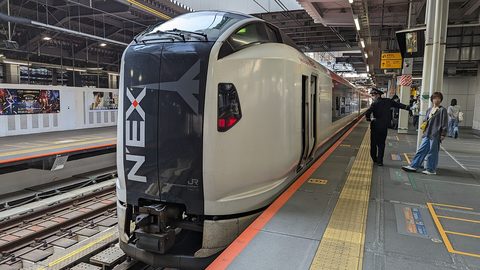 Getting Around Tokyo by Train Airport Transfers and IC Cards
A practical guide to Tokyo's rail network, covering airport transfers, IC cards, and how to avoid the station navigation mistakes that eat your day.
Getting Around Tokyo by Train Airport Transfers and IC Cards
A practical guide to Tokyo's rail network, covering airport transfers, IC cards, and how to avoid the station navigation mistakes that eat your day.
-
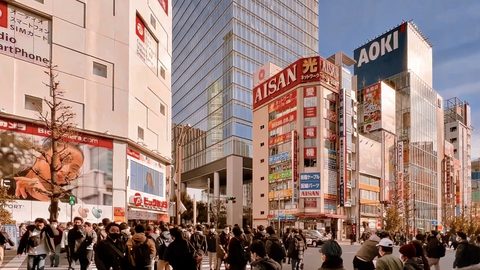 Akihabara
 Tokyo guide: electronics, anime, and arcades stacked floor by floor, from Radio Kaikan to the maid cafe touts.
Akihabara
Akihabara Tokyo guide: electronics, anime, and arcades stacked floor by floor, from Radio Kaikan to the maid cafe touts.
-
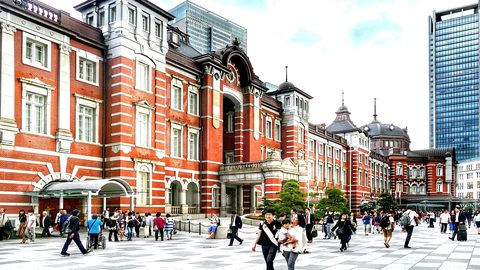 Marunouchi
Staying in Marunouchi puts you steps from Tokyo Station's Shinkansen platforms and Narita Express, trading nightlife buzz for unmatched rail connectivity and wide, quiet weekend boulevards.
Marunouchi
Staying in Marunouchi puts you steps from Tokyo Station's Shinkansen platforms and Narita Express, trading nightlife buzz for unmatched rail connectivity and wide, quiet weekend boulevards.
-
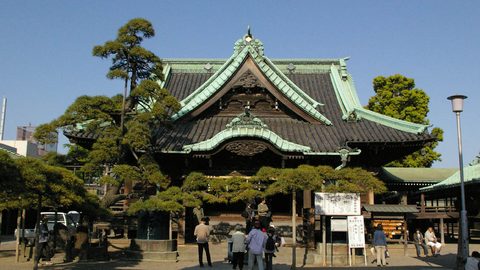 Shibamata
 preserves a 1950s Tokyo on its temple approach street, forever tied to the Tora-san film series and best visited for unagi and old-school snacks.
Shibamata
Shibamata preserves a 1950s Tokyo on its temple approach street, forever tied to the Tora-san film series and best visited for unagi and old-school snacks.