How a Former Lumber Town Became Tokyo's Third-Wave Coffee Capital
Kiyosumi-Shirakawa draws coffee obsessives to its roasteries and art lovers to its contemporary museum, all in a quiet Fukagawa neighbourhood.
- Flag
-
- ISO code
- JP
- Currency
- JPY
- Timezone
- Asia/Tokyo
How a Former Lumber Town Became Tokyo’s Third-Wave Coffee Capital
You know the neighbourhood exists because you have seen a bag of Blue Bottle beans with Kiyosumi-Shirakawa printed on the side. What you may not know is how a former lumber district with sleepy shitamachi bones became the address every coffee obsessive in Tokyo is willing to commute to. The short answer is cheap warehouse space and river logistics. The longer one involves a 700 square metre former warehouse, an opening date of February 6 2015, and the decision by Blue Bottle Coffee to put its first Japan roastery at 1-4-8 Hirano in Koto-ku. Before that roastery arrived, the district was known for two things: the 1932 public garden that belonged to the founder of Mitsubishi, and the Museum of Contemporary Art Tokyo that opened in 1995. Now it has 8 operating roasteries within 1 km of the station, a density no other Tokyo district matches. The only challenge is deciding which route to take through the quiet streets that still feel like a logical extension of the lumberyards that once lined the waterways.
Why Warehouses, Not Coffee Shops, Made This District
Allpress Espresso Tokyo opened its roastery at 3-7-2 Hirano in 2014, about a year before Blue Bottle. Those two openings were not the cause of the district's transformation. They were the consequence of a specific economic condition. After the 2011 earthquake, commercial real estate in eastern Tokyo softened. Vacant warehouses with high ceilings, concrete floors and loading bay access became available at rents that made a roasting operation financially sane. Proximity to the Sumida River and the network of canals meant green bean imports could arrive via barge or short truck haul from Toyosu. The addresses cluster along Kiyosumi-dori and Hirano-dori, specifically in Hirano 1-chome through 3-chome and Kiyosumi 2-chome. That zone is walkable in under 20 minutes end to end.
The Two That Started It
Start at the Blue Bottle roastery at 1-4-8 Hirano. The floor area is roughly 700 square metres across what was a single warehouse bay. Arrive by 09:00 on a weekday to avoid the queue that forms by 10:30. From there, walk three minutes south on Hirano-dori to Allpress Espresso at 3-7-2 Hirano. The space is smaller. The espresso blend is heavier than Blue Bottle's single origin rotation. Both serve filter coffee. Expect to pay specialty Tokyo prices per cup.
The Local Additions
Arise Coffee Roasters at 1-13-8 Hirano is run by Taiji Harada, who worked in specialty coffee before opening his own space. The roast profile leans toward light Nordic style. Sunday Zoo at 2-4-7 Kiyosumi roasts in smaller batches and sells bags for roughly 1,500 yen per 200 grams. Café Tram opened in 2023 inside the Kiyosumi Shirakawa Library complex. The clientele is local, not tourist, and the espresso is dialled in for milk drinks rather than straight shots.

The Route That Connects Gardens, Art and Clam Rice
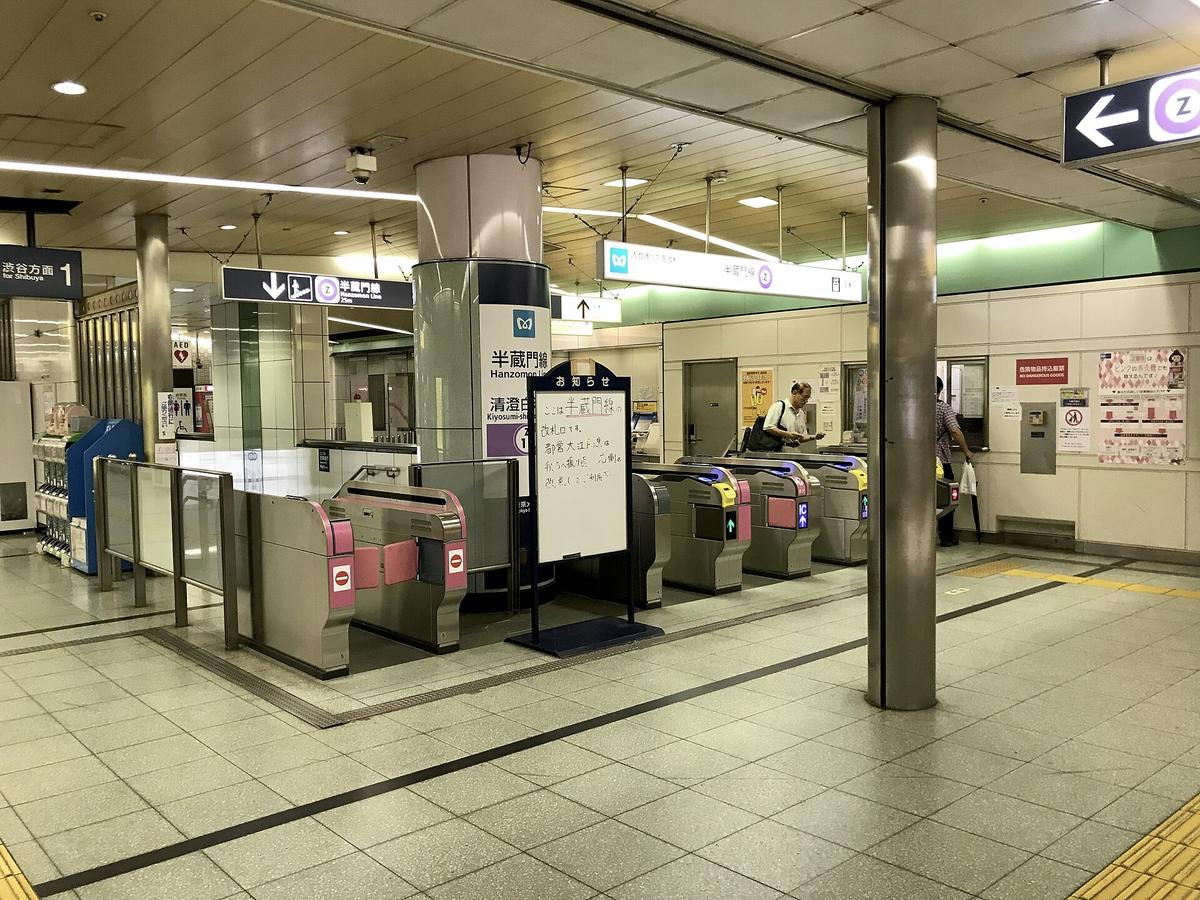
A single walking loop of roughly 4 to 5 hours covers everything worth seeing. Start at Kiyosumi Teien at 3-3-9 Kiyosumi. Admission is around 150 yen for adults and 70 yen for visitors 65 and older, with primary school children free. The Tokyo Metropolitan Government publishes the annual rate, so check before you go. The garden occupies approximately 81,000 square metres, about 60 percent of which is the central pond. Cross the pond using the stepping stones arranged in the iso-watari path. The largest stone is roughly 4 metres in length and was sourced from the Iyo region. The garden opens at 09:00 and closes at 17:00 with last entry at 16:30. It is closed December 29 through January 1. Budget one hour.
Contemporary Art, No Queue
From the garden, walk 8 minutes east to the Museum of Contemporary Art Tokyo at 4-1-1 Miyoshi, using Exit B2 from Kiyosumi Shirakawa Station as the landmark. Permanent collection admission is around 500 yen for adults and 250 yen for students. The building has approximately 4,000 square metres of exhibition space across a collection of about 5,700 works. The museum opened in March 1995. Hours are 10:00 to 18:00 with last entry at 17:30. Closed Mondays, or Tuesday if Monday is a national holiday, plus year end and New Year. Budget 1.5 to 2 hours. Skip the special exhibition unless the name of the artist is one you already follow; the permanent collection is the better use of time for a half day visit.
Shrines, Fire Rituals and Clam Rice
From the museum, walk 15 minutes east along Kiyosumi Dori to Monzen Nakacho station. The walk takes you past Tomioka Hachiman Shrine at 1-20-3 Tomioka, founded in 1627. The shrine's main festival, Fukagawa Hachiman Matsuri, runs around August 15 each year, and the full hon-matsuri with the 4.5 tonne mikoshi carried by over 100 bearers falls every three years. The next iteration is 2026 and then 2029. A 2 minute walk north brings you to Fukagawa Fudo do at 1-17-13 Tomioka. This is a Shingon Buddhist temple of the Chisan ha sect that runs free goma fire rituals at 09:00, 11:00, 13:00, 15:00 and 17:00. Each session lasts about 30 minutes. No reservation needed. Budget 30 minutes for both shrine and temple.
End the loop with Fukagawa meshi, the local clam rice dish. Monzen Nakacho has several restaurants that specialise in it. The dish is a bowl of steamed rice topped with short neck clams cooked in soy based broth, served with pickles and a small bowl of clear soup. A set runs around 1,200 to 1,500 yen. Lunch service runs from 11:30 to 14:00 at most places. Arrive by 12:00 to avoid the office worker rush.
Who Should Skip This and Who Should Build a Day Around it
This district is not for the first time Tokyo visitor with three days. Those days belong to Shinjuku, Shibuya and Asakusa. The area has no nightlife, no major landmark that appears on a top ten list, and no shopping street worth a detour. What it has is space, silence and a concentration of coffee production that matters only if you care about bean origin or roast date. The people who should prioritise this walk are specialty coffee enthusiasts who have a home grinder and weigh their doses, contemporary art visitors who know the name of the artist before they check the exhibition schedule, and repeat visitors who have already stood in front of Senso ji and want a morning that feels like a neighbourhood rather than a queue. The solo explorer who thrives on anonymity will find the streets nearly empty on a weekday morning. The food obsessive who plans trips around specific meals will appreciate that the clam rice restaurants in Monzen Nakacho are the real thing, not a tourist adaptation.

Other areas in Tokyo
- Akihabara
- Asakusa
- Ebisu
- Futako-tamagawa
- Ginza
- Harajuku
- Ikebukuro
- Jimbocho
- Jiyugaoka
- Kagurazaka
- Kichijoji
- Koenji
- Kuramae
- Marunouchi
- Nakameguro
- Nakano
- Nihonbashi
- Ningyocho
- Odaiba
- Omotesando and Aoyama
- Roppongi
- Ryogoku
- Sangenjaya
- Shibamata
- Shibuya
- Shimokitazawa
- Shin-Okubo
- Shinagawa
- Shinjuku
- Sugamo
- Takadanobaba
- Todoroki
- Tsukiji
- Tsukishima
- Ueno
- Yanaka
- Yurakucho and Shinbashi
Common Questions
How many coffee roasteries are within walking distance of Kiyosumi Shirakawa Station?
The district has 8 operating roasteries within 1 km of the station. The exact count shifts as new operations open. Start with Blue Bottle, Allpress, Arise and Sunday Zoo, then follow the smell of roasting beans along Kiyosumi dori and Hirano dori.
Can I visit Kiyosumi Shirakawa on a Sunday?
Yes, but the Museum of Contemporary Art Tokyo is closed on Mondays, so Sunday avoids that closure. Kiyosumi Teien is open. Coffee roasteries are open Sunday but Blue Bottle sees longer queues. Arrive by 09:00 to beat the weekend crowd.
Is the coffee cheaper here than in Shinjuku or Shibuya?
No. A pour over at any of the roasteries runs roughly the same as a specialty cafe in central Tokyo. What you pay for is the combination of roast date, bean origin and the experience of drinking coffee in a converted warehouse within sight of the roaster.
What is the fastest way to reach Kiyosumi Shirakawa from Narita Airport?
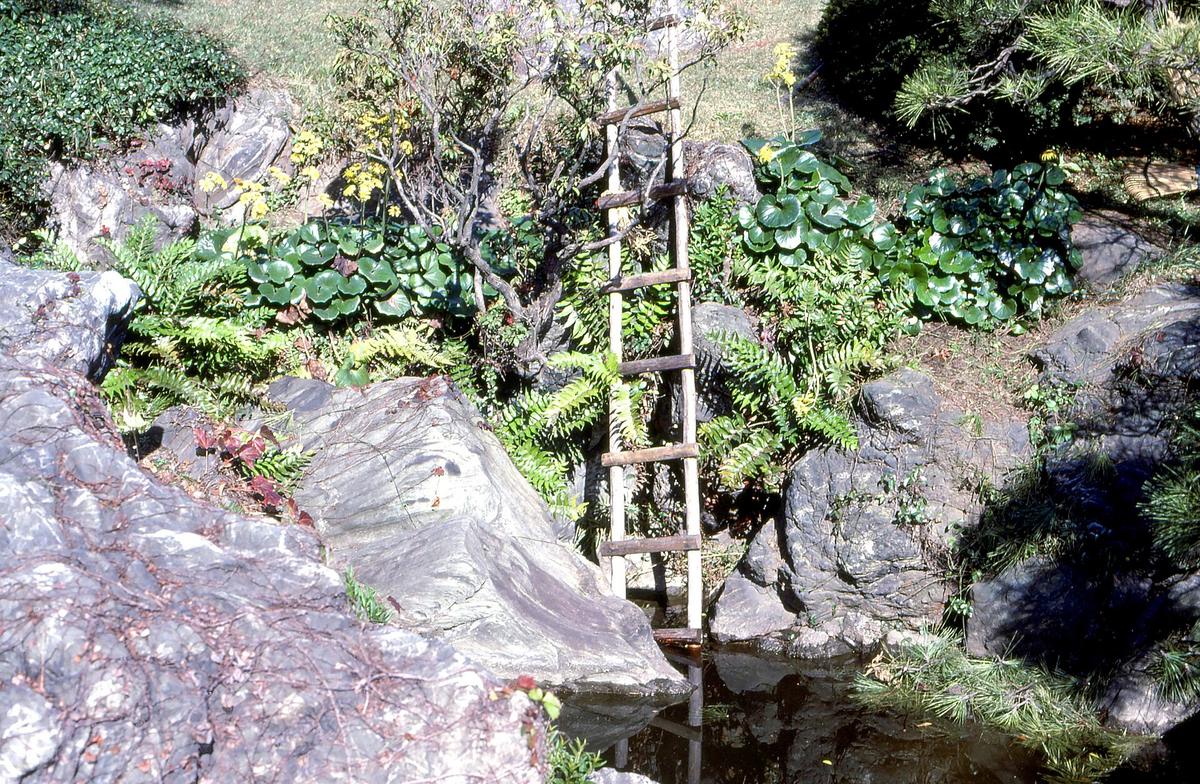
Take the Keisei Skyliner to Ueno, then transfer to the Tokyo Metro Hanzomon Line for a 10 minute ride to Kiyosumi Shirakawa Station. Total time is roughly 80 minutes. From Haneda, take the Keikyu Line to Shinagawa and transfer to the Toei Oedo Line. Total time is about 45 minutes.
Read next
-
 Tokyo Hotels by Type and Budget from Capsules to Luxury
Tokyo hotels organised by type and price band, from efficient capsule pods to full-service luxury towers, to help you book the right room.
Tokyo Hotels by Type and Budget from Capsules to Luxury
Tokyo hotels organised by type and price band, from efficient capsule pods to full-service luxury towers, to help you book the right room.
-
 Where to Stay in Tokyo by District and Travel Style
A comparison of Tokyo's major districts to help you choose the right base for your travel style, whether you want calm or chaos.
Where to Stay in Tokyo by District and Travel Style
A comparison of Tokyo's major districts to help you choose the right base for your travel style, whether you want calm or chaos.
-
 Narita or Haneda for Tokyo and What That Airport Choice Costs You
Narita or Haneda for Tokyo: compare door-to-district time, transfer cost, and what the wrong airport choice eats from your trip.
Narita or Haneda for Tokyo and What That Airport Choice Costs You
Narita or Haneda for Tokyo: compare door-to-district time, transfer cost, and what the wrong airport choice eats from your trip.
-
 Things to Do in Tokyo That Are Worth Your Limited Days
A curated list of Tokyo's highest-impact sights and experiences, from immersive art to quiet backstreets, to help you prioritise your days.
Things to Do in Tokyo That Are Worth Your Limited Days
A curated list of Tokyo's highest-impact sights and experiences, from immersive art to quiet backstreets, to help you prioritise your days.
-
 Best Time to Visit Tokyo Month by Month Tradeoffs
A month-by-month guide to visiting Tokyo, laying out the trade-off between weather, crowds, price, and what's actually open.
Best Time to Visit Tokyo Month by Month Tradeoffs
A month-by-month guide to visiting Tokyo, laying out the trade-off between weather, crowds, price, and what's actually open.
-
 Getting Around Tokyo by Train Airport Transfers and IC Cards
A practical guide to Tokyo's rail network, covering airport transfers, IC cards, and how to avoid the station navigation mistakes that eat your day.
Getting Around Tokyo by Train Airport Transfers and IC Cards
A practical guide to Tokyo's rail network, covering airport transfers, IC cards, and how to avoid the station navigation mistakes that eat your day.
-
 Akihabara
 Tokyo guide: electronics, anime, and arcades stacked floor by floor, from Radio Kaikan to the maid cafe touts.
Akihabara
Akihabara Tokyo guide: electronics, anime, and arcades stacked floor by floor, from Radio Kaikan to the maid cafe touts.
-
 Marunouchi
Staying in Marunouchi puts you steps from Tokyo Station's Shinkansen platforms and Narita Express, trading nightlife buzz for unmatched rail connectivity and wide, quiet weekend boulevards.
Marunouchi
Staying in Marunouchi puts you steps from Tokyo Station's Shinkansen platforms and Narita Express, trading nightlife buzz for unmatched rail connectivity and wide, quiet weekend boulevards.
-
 Shibamata
 preserves a 1950s Tokyo on its temple approach street, forever tied to the Tora-san film series and best visited for unagi and old-school snacks.
Shibamata
Shibamata preserves a 1950s Tokyo on its temple approach street, forever tied to the Tora-san film series and best visited for unagi and old-school snacks.